

Color Matters: Accuracy in Scanning & Archiving
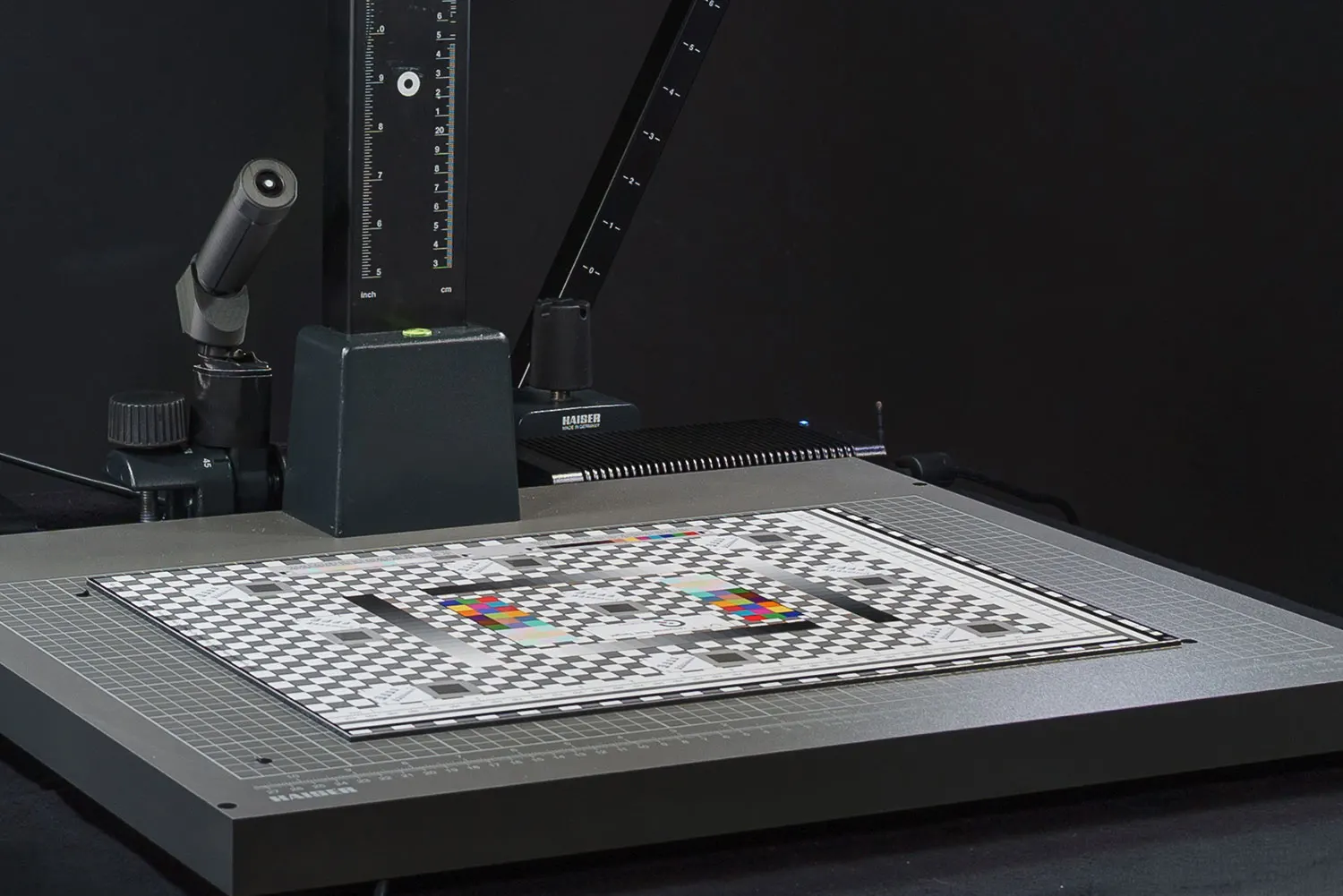
In digital archiving, color accuracy is far more than an aesthetic feature, it is a critical carrier of information . Whether preserving historical documents, artworks, or industrial records, accurate color reproduction ensures that the digital version remains a true representation of the original. Why Color Accuracy is Essential Modern scanners do more than capture images, they interpret light, texture, and color . Alongside resolution, parameters such as dynamic range, noise, and especially color reproduction quality define the usability of scanned data. Even the highest resolution is meaningless if color shifts distort the original content. Precise color capture depends on multiple factors: sensor quality, optical performance, illumination consistency, and sophisticated processing algorithms. Standardized measurement methods, such as SFR (Spatial Frequency Response) and OECF (Opto-Electronic Conversion Function), help evaluate not only sharpness and tonal response but also ensure that color values are faithfully digitized. For archiving, this means consistent, reliable datasets that stand the test of time . From Scanning to Long-Term Archiving In archival workflows, color fidelity directly impacts downstream processes such as image analysis, reproduction, and legal documentation. Misregistration between color channels or poor calibration can lead to irreversible information loss. Therefore, professional environments require validated workflows, calibrated devices, and measurable quality standards. With decades of experience in image quality assessment, Image Engineering provides industry-leading expertise in evaluating scanner performance. By adapting camera-based ISO standards to scanning systems and developing advanced test charts, Image Engineering ensures reliable measurement of color accuracy and overall image quality. This expertise enables organizations to build trustworthy, future-proof archiving solutions.
In digital archiving, color is far more than an aesthetic feature, it is a critical carrier of information. Whether preserving historical documents, artworks, or industrial records, accurate color reproduction ensures that the digital version remains a true representation of the original.
Why Color Accuracy is Essential
Modern scanners do more than capture images, they interpret light, texture, and color. Alongside resolution, parameters such as dynamic range, noise, and especially color reproduction quality define the usability of scanned data. Even the highest resolution is meaningless if color shifts distort the original content.
Precise color capture depends on multiple factors: sensor quality, optical performance, illumination consistency, and sophisticated processing algorithms. Standardized measurement methods, such as SFR (Spatial Frequency Response) and OECF (Opto-Electronic Conversion Function), help evaluate not only sharpness and tonal response but also ensure that color values are faithfully digitized. For archiving, this means consistent, reliable datasets that stand the test of time.
From Scanning to Long-Term Archiving
In archival workflows, color fidelity directly impacts downstream processes such as image analysis, reproduction, and legal documentation. Misregistration between color channels or poor calibration can lead to irreversible information loss. Therefore, professional environments require validated workflows, calibrated devices, and measurable quality standards.
With decades of experience in image quality assessment, Image Engineering provides industry-leading expertise in evaluating scanner performance. By adapting camera-based ISO standards to scanning systems and developing advanced test charts, Image Engineering ensures reliable measurement of color accuracy and overall image quality. This expertise enables organizations to build trustworthy, future-proof archiving solutions.
Color‑Performance Support for Archiving
Talk to Our Sales Team
Professional archiving requires tools designed for scientific color evaluation. Connect with our sales specialists to explore solutions aligned with SFR, OECF, and ISO‑adapted measurement methods for scanning systems. Whether you’re validating illumination stability, optimizing color‑channel registration, or benchmarking processing pipelines, we guide you toward technologies that deliver dependable, standards‑aligned archiving performance.
Expertise That Ensures Preservation‑Grade Color
Color accuracy in digitization demands deep insight into sensor behavior, optical design, and controlled illumination. With decades of experience in image‑quality assessment, our lab team helps you quantify color reproduction, refine calibration workflows, and secure consistent datasets for long‑term archiving. From cultural heritage institutions to industrial documentation, we provide the expertise that strengthens preservation reliability.