

Resolution in Scanning & Archiving: Capturing What Matters
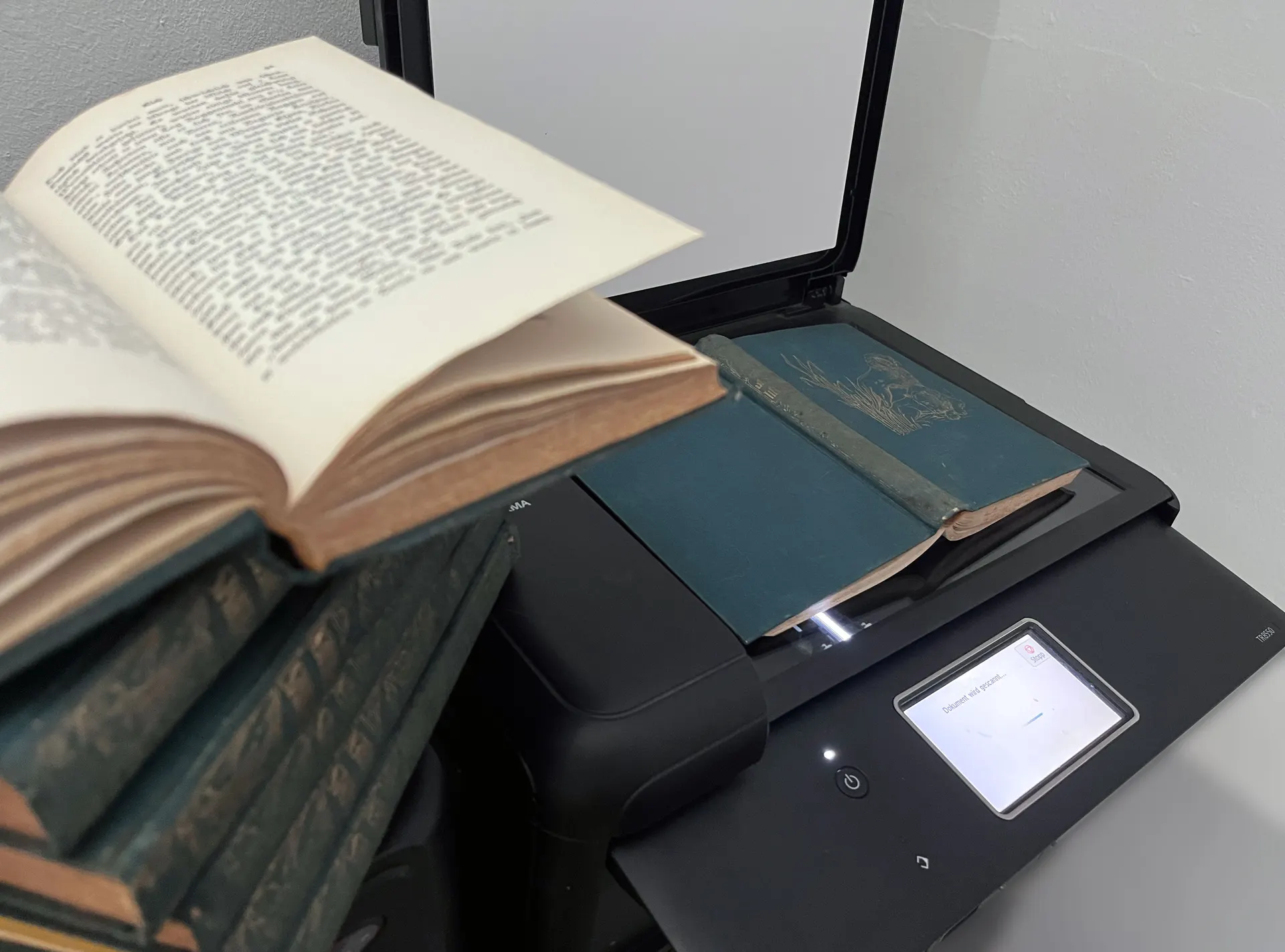
Resolution is one of the most critical factors in image quality, but in the context of scanning and archiving, it goes far beyond pixel counts. It defines how accurately fine details from physical originals, documents, photos, or film, are preserved for long-term digital use.
Why Resolution Matters in Scanners & Archiving
In scanning workflows, resolution determines the system’s ability to capture fine structures, textures, and edges from the original. However, true resolution is not just about dpi specifications often used in marketing. It depends on a combination of factors:
Optical performance of the scanner lens
Sensor quality and sampling density
Mechanical precision and alignment
Image processing (e.g., sharpening or interpolation)
For archiving, this is crucial: insufficient resolution can lead to permanent information loss, making future analysis, restoration, or reproduction impossible.
From Pixels to Measurable Detail: SFR & Real Performance
Modern evaluation methods,such as Spatial Frequency Response (SFR) based on ISO standards, provide a much more reliable assessment of scanner performance than nominal resolution values.
SFR analysis measures how well a scanner reproduces different levels of detail (spatial frequencies), enabling objective metrics like:
MTF10 → maximum resolvable detail
MTF50 → perceived sharpness
Acutance → human visual sharpness perception
These metrics ensure that archived data is not only high in resolution, but also usable and trustworthy.
Archiving Requires More Than High Numbers
In professional archiving environments, resolution must be:
Consistent across the scanning field
Free from artificial enhancement artifacts
Balanced with dynamic range and noise performance
Only then can digital archives serve as reliable long-term representations of original materials.
With decades of expertise in image quality measurement and standardization, Image Engineering provides scientifically validated methods for analyzing scanner resolution. By combining ISO-based testing (e.g., SFR, OECF) with practical scanner evaluation, IE ensures that imaging systems meet the highest requirements for archival quality and reliability.