
Color Accuracy Testing for Machine Vision Cameras
In industrial imaging, color accuracy is not about aesthetics, it is a critical factor for performance . Color accuracy testing for machine vision cameras ensures that color data is captured precisely and consistently, even under changing lighting conditions and high-speed processing environments. Unlike traditional cameras, which are optimized for human perception and visual appeal, machine vision systems must interpret color objectively and quantitatively . Applications such as quality inspection, sorting, and surface analysis rely on consistent color data, where even minor deviations can lead to misclassification or production errors. A compelling example can be found in ADAS (Advanced Driver Assistance Systems): cameras must reliably detect traffic signs, lane markings, and traffic light colors across varying lighting and weather conditions. Inaccurate color reproduction can directly impact safety-critical decisions. Another key machine vision application is industrial sorting, such as in food or pharmaceutical processing. Here, products are classified based on subtle color differences, for instance to determine ripeness, detect contamination, or ensure consistent quality. As a result, the demand for accurate color reproduction is significantly higher. While consumer cameras aim to produce visually pleasing images, machine vision cameras must deliver exact, calibrated, and repeatable color values. Advanced color accuracy testing provides the foundation for stable processes, reduced waste, and maximum efficiency in automated industrial systems. With deep expertise in image quality evaluation and standardized testing methodologies, Image Engineering enables companies to accurately assess and optimize the color performance of their camera systems.
In industrial imaging, color accuracy is not about aesthetics, it is a critical factor for performance. Color accuracy testing for machine vision cameras ensures that color data is captured precisely and consistently, even under changing lighting conditions and high-speed processing environments.
Unlike traditional cameras, which are optimized for human perception and visual appeal, machine vision systems must interpret color objectively and quantitatively. Applications such as quality inspection, sorting, and surface analysis rely on consistent color data, where even minor deviations can lead to misclassification or production errors.
A compelling example can be found in ADAS (Advanced Driver Assistance Systems): cameras must reliably detect traffic signs, lane markings, and traffic light colors across varying lighting and weather conditions. Inaccurate color reproduction can directly impact safety-critical decisions.
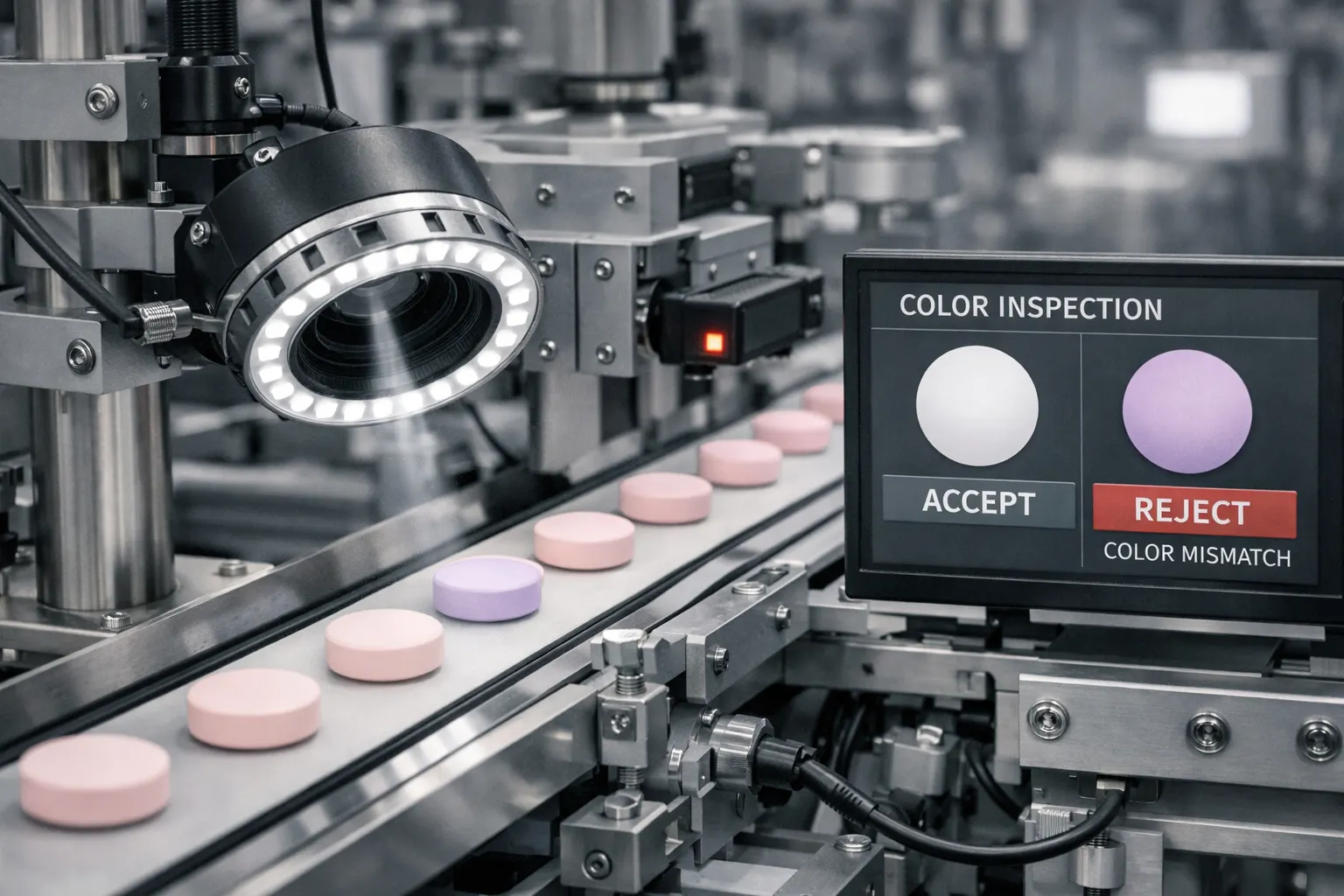
Another key machine vision application is industrial sorting, such as in food or pharmaceutical processing. Here, products are classified based on subtle color differences, for instance to determine ripeness, detect contamination, or ensure consistent quality.
As a result, the demand for accurate color reproduction is significantly higher. While consumer cameras aim to produce visually pleasing images, machine vision cameras must deliver exact, calibrated, and repeatable color values. Advanced color accuracy testing provides the foundation for stable processes, reduced waste, and maximum efficiency in automated industrial systems.
With deep expertise in image quality evaluation and standardized testing methodologies, Image Engineering enables companies to accurately assess and optimize the color performance of their camera systems.