
Color Accuracy in Modern Imaging
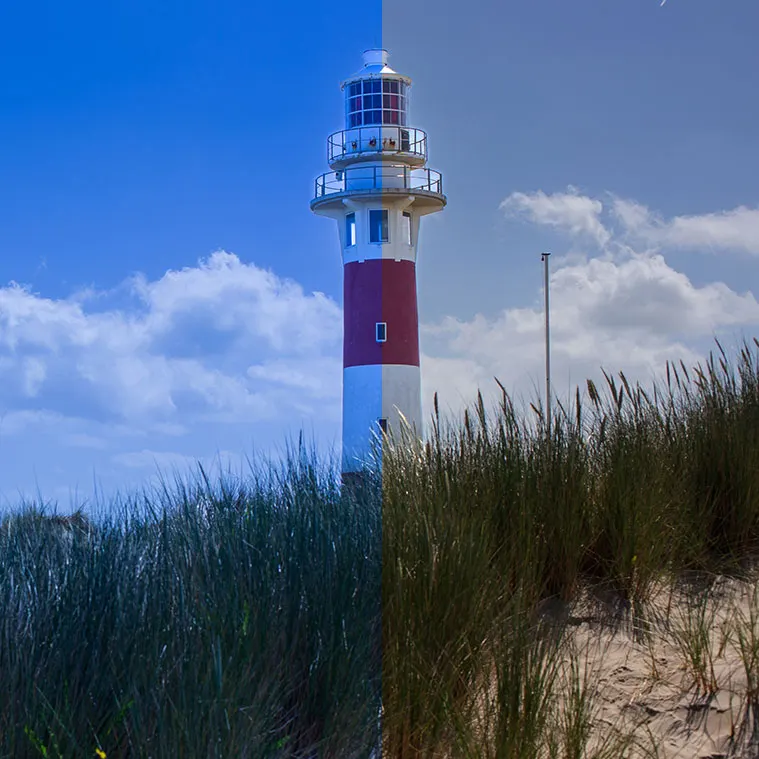
Color defines how we see, interpret, and trust images. In today’s advanced photo and video camera systems, accurate color reproduction is no longer a luxury, it’s essential. From cinematic storytelling to machine vision, color fidelity directly impacts perception, decision-making, and overall image quality.
Why Color Matters in Cameras
Modern cameras rely on a complex interaction between sensor technology, image processing, and output devices. Key elements such as color matrices, ICC profiles, and white balance ensure that captured scenes appear natural and consistent across workflows.
A camera sensor does not “see” color the way humans do. Instead, it captures raw light data that must be translated into standardized color spaces like sRGB or Adobe RGB. This is where precise color processing becomes critical, ensuring that what the camera captures matches reality as closely as possible.
From Capture to Consistency
Accurate color depends on multiple factors:
White Balance guarantees neutral tones under varying lighting conditions
Color Gamut defines how rich and saturated colors can appear
RGB vs. CMYK workflows ensure consistency from digital capture to print
Calibration aligns cameras, monitors, and output devices
Without proper calibration, even the most advanced camera systems can produce inconsistent or misleading colors, impacting everything from creative production to safety-critical applications like autonomous driving.
With decades of experience, IE has established itself as a leader in color characterization and calibration for modern imaging systems. By following international standards such as ISO 17321 and leveraging advanced methods, from spectral sensitivity analysis to innovative test charts, Image Engineering ensures that camera systems deliver reliable and accurate color performance.
Image Engineering’s long-standing expertise enables manufacturers and professionals alike to optimize their imaging pipelines, ensuring that every image and every frame reflects true-to-life color.