Why It Matters in Modern Cameras
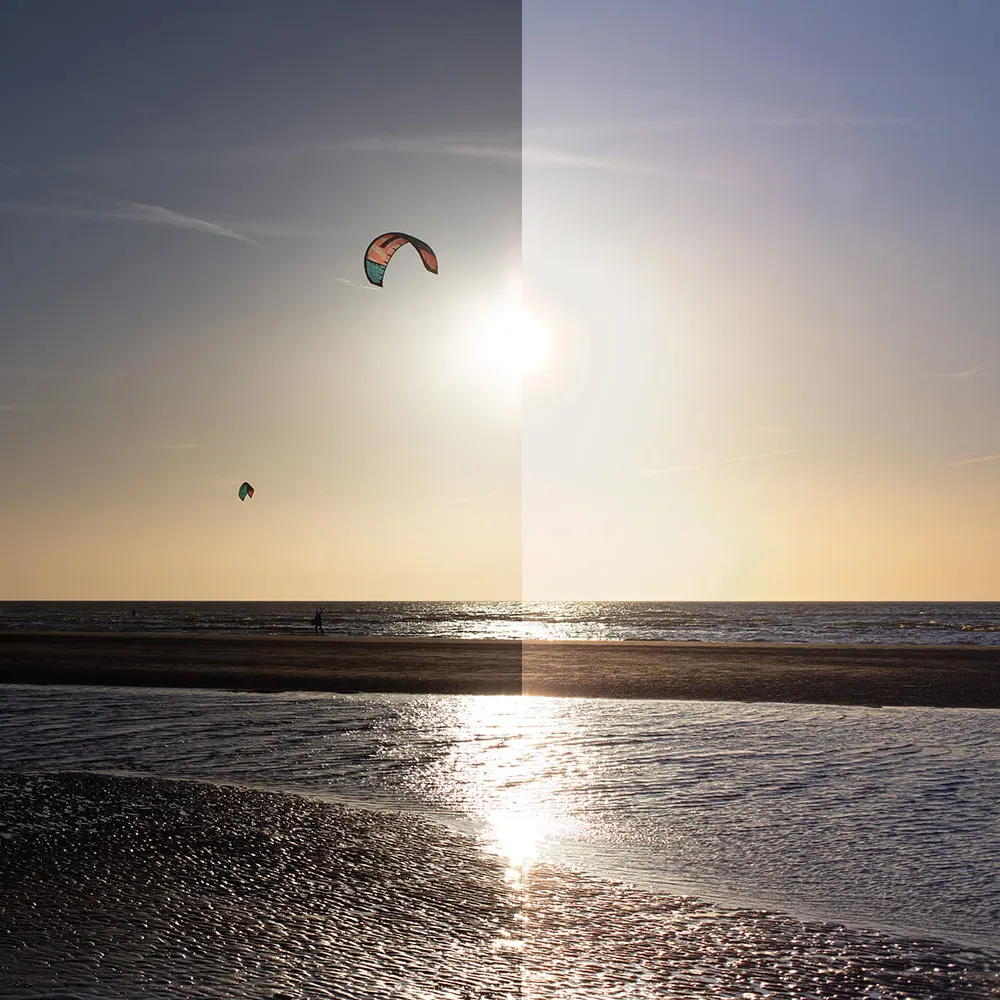
From smartphones to professional cinema cameras and automotive systems, dynamic range determines whether an image looks flat—or truly lifelike. Challenging scenes such as backlit portraits, sunsets, or high-contrast urban environments demand cameras that can preserve subtle gradations without clipping highlights or losing shadow detail.
High Dynamic Range (HDR) technologies in modern cameras combine advanced sensor design, intelligent image processing, and sophisticated tone mapping. The result: richer colors, improved contrast, and significantly better performance in difficult lighting conditions, especially in video production where consistency across frames is essential.
Behind the Technology
At the core of dynamic range evaluation lies the opto-electronic conversion function (OECF), which defines how light is translated into digital signals. Together with metrics like signal-to-noise ratio (SNR) and exposure latitude, it provides a precise understanding of a camera’s real-world performance.
Accurate measurement requires standardized methods, controlled lighting, and high-quality test charts. This is where expertise makes the difference.
Trusted Expertise by IE
With decades of experience in image quality testing, Image Engineering stands at the forefront of dynamic range analysis. From advanced test charts and lighting systems to powerful evaluation software, IE supports manufacturers and engineers in optimizing camera performance for today’s demanding applications, from mobile imaging to safety-critical automotive systems.
As imaging technology continues to evolve, dynamic range remains a key benchmark for quality. Cameras that excel here deliver not just images, but visual experiences that feel true to life.