
Flare in Modern Imaging, Clarity You Can Measure
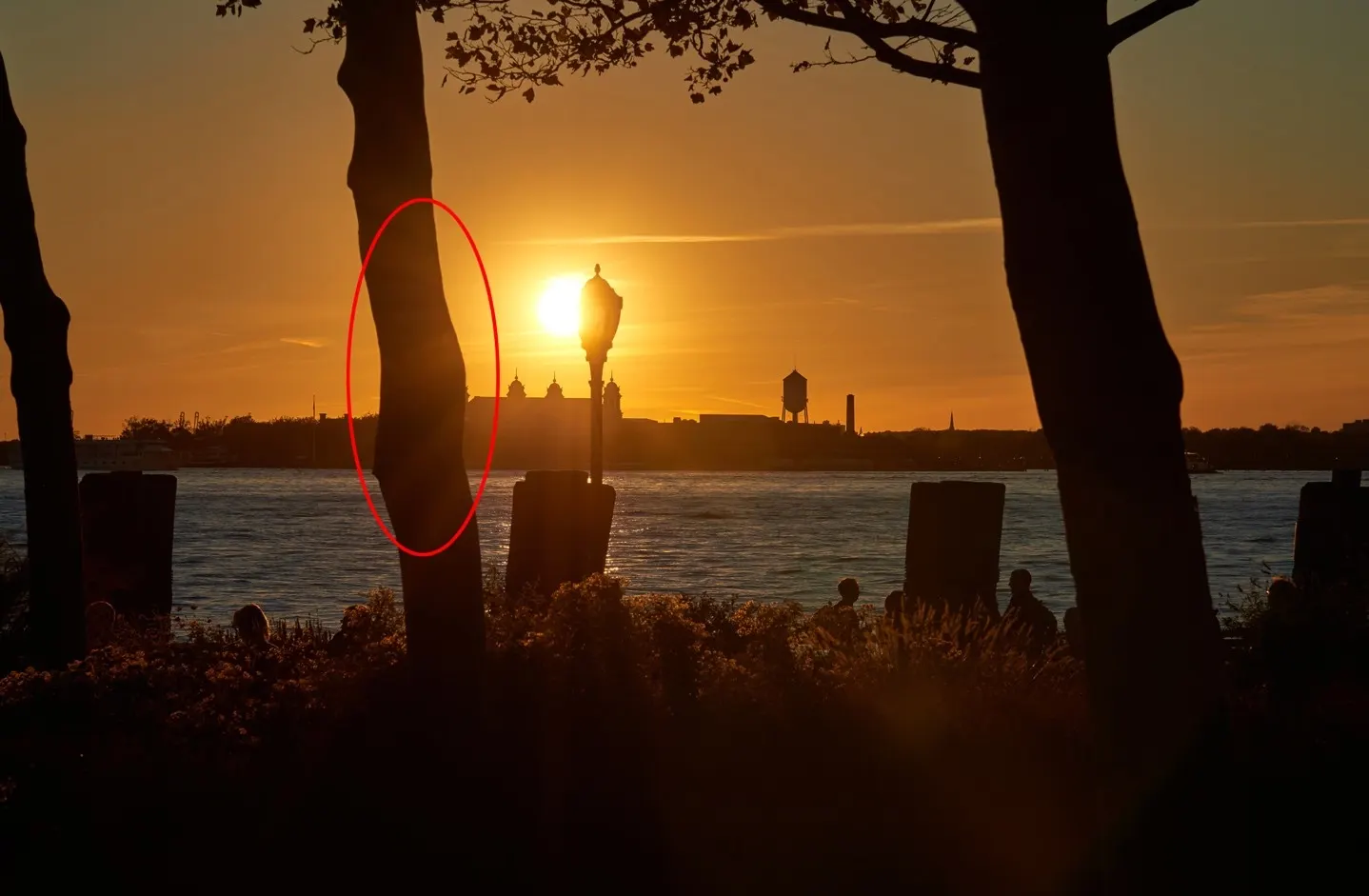
Flare is one of the most critical, yet often underestimated—factors influencing image quality in today’s photo and video cameras. Whether you are shooting cinematic footage, high-end photography, or developing next-generation mobile devices, controlling flare is essential to achieving true image fidelity.
What Flare Means for Today’s Cameras
Flare refers to unwanted light that reaches the sensor but does not originate from the actual scene. In modern camera systems, ranging from mirrorless and cinema cameras to smartphones, this effect can significantly reduce contrast, wash out details, and introduce artifacts.
Two key types are relevant in current imaging workflows:
Veiling flare: Traditionally linked to lens performance and measured independently
Image flare: Represents the combined effect of lens, sensor, and image processing in the final image
With increasingly complex camera architectures and computational imaging, understanding image flare has become far more important than ever.
Why Flare Matters More Than Ever
Modern imaging systems are pushing boundaries in resolution, dynamic range, and low-light performance. However, these advancements also make cameras more sensitive to internal reflections, stray light, and optical imperfections.
Typical sources of flare include:
Internal reflections between lens elements and sensor surfaces
Dust, contamination, or imperfections in optical paths
Reflections from mechanical components such as apertures or housings
External influences like haze or strong off-axis light sources
In video production, flare can break visual continuity. In photography, it can reduce perceived sharpness and contrast. And in mobile imaging, it directly impacts algorithmic processing and final image quality.
From Measurement to Optimization
Accurate flare evaluation is key to improving camera performance. Modern standards such as ISO 18844 provide a systematic way to assess image flare across complete camera systems—including devices where lenses cannot be detached.
Using specialized test charts with controlled light traps, engineers can precisely quantify how much stray light affects the darkest areas of an image. This enables targeted optimization of:
Optical design
Coatings and materials
Sensor integration
Image processing algorithms
With decades of experience in image quality analysis, Image Engineering stands at the forefront of flare measurement and optimization. By actively contributing to standards like ISO 18844 and continuously refining test methodologies, IE provides reliable, future-proof solutions tailored to modern camera technologies.
From lab-grade testing environments to real-world evaluation strategies, IE helps manufacturers and developers understand, measure, and minimize flare—ensuring images remain as true to reality as possible.
In an era of advanced imaging, flare is no longer just a lens issue, it is a system-wide challenge. With the right measurement standards and expert insight, it becomes a controllable parameter rather than an unpredictable artifact.
Master flare, and unlock the full potential of your camera system.