
Mastering Noise in Modern Photo & Video Cameras
In today’s high-performance photo and video cameras, image quality is everything. One of the biggest challenges in achieving stunning visuals, especially in low-light conditions—is noise. While noise is a natural byproduct of signal processing, modern imaging technology is continuously evolving to minimize its impact and deliver cleaner, sharper results.
Understanding Noise in Real-World Imaging
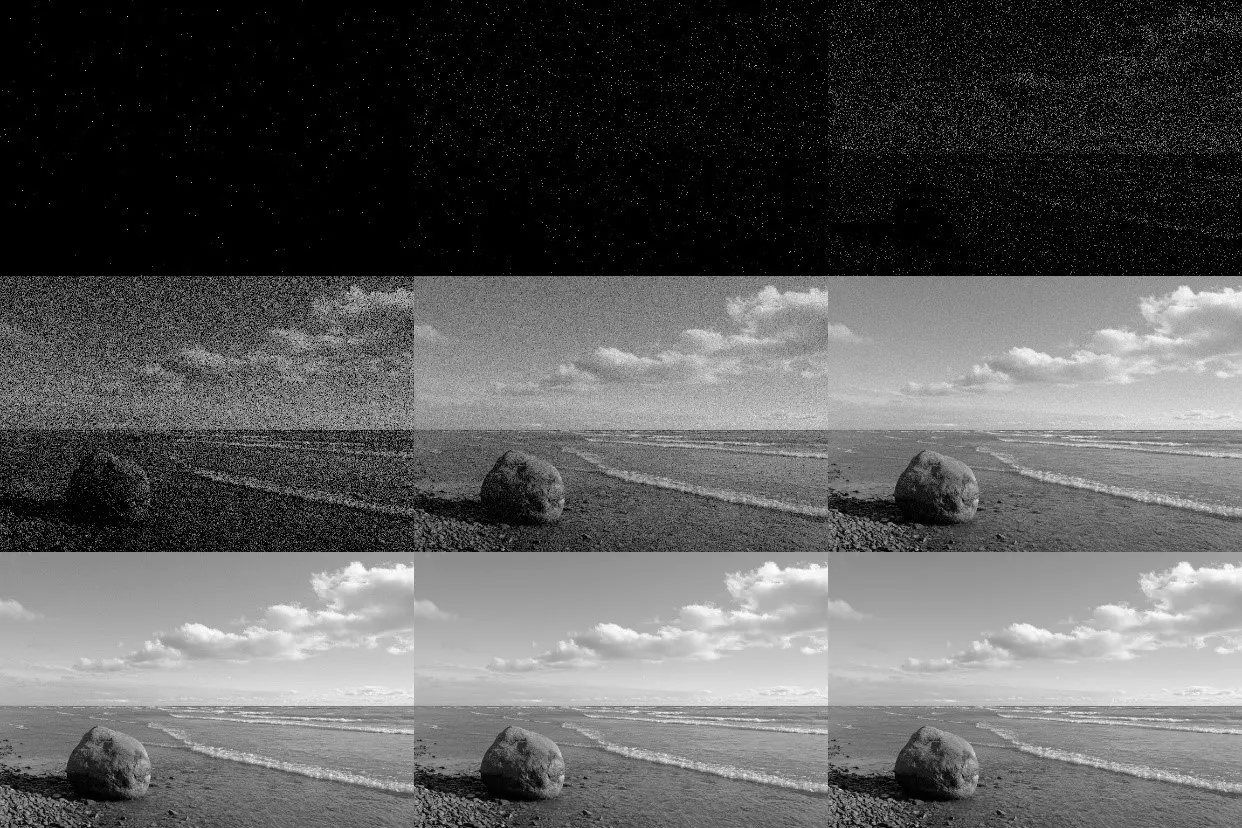
Noise appears as unwanted grain or color distortions that do not originate from the actual scene. In modern cameras, it becomes particularly visible when shooting in low light, using high ISO settings, or capturing high-speed video.
There are two key types of noise relevant to today’s imaging systems:
Temporal noise (random noise): Fluctuations caused by the random arrival of photons, especially critical in low-light video and high frame rate capture.
Spatial noise (fixed pattern noise): Sensor-related inconsistencies that can create visible patterns, particularly in long exposures or professional workflows.
Additionally, today’s color sensors introduce color noise, often most noticeable in blue channels and amplified through demosaicing, impacting both photography and cinematic video production.
Why Noise Matters in Modern Cameras
As cameras push boundaries with higher resolutions, smaller pixels, and advanced video capabilities (such as 4K/8K and high dynamic range), managing noise becomes increasingly complex.
Low-light performance, dynamic range, and signal-to-noise ratio (SNR) are now key differentiators in camera systems. Achieving a strong signal with minimal noise requires a combination of:
Advanced sensor design (larger pixels, improved readout electronics)
Optimized exposure strategies
Intelligent image processing and noise reduction algorithms
With decades of experience in imaging science, Image Engineering has built a strong reputation in analyzing, measuring, and optimizing noise performance in camera systems. Leveraging industry standards such as ISO 15739 and EMVA 1288, IE ensures precise, reliable evaluation aligned with real-world human perception.
Noise will always be part of imaging, but mastering it is what defines modern camera excellence. Through cutting-edge technology and deep expertise, today’s cameras, and partners like Image Engineering ,are pushing the limits of what’s possible, delivering cleaner images and superior visual experiences in every shot.