
Low-Light Image Quality in Security & Surveillance
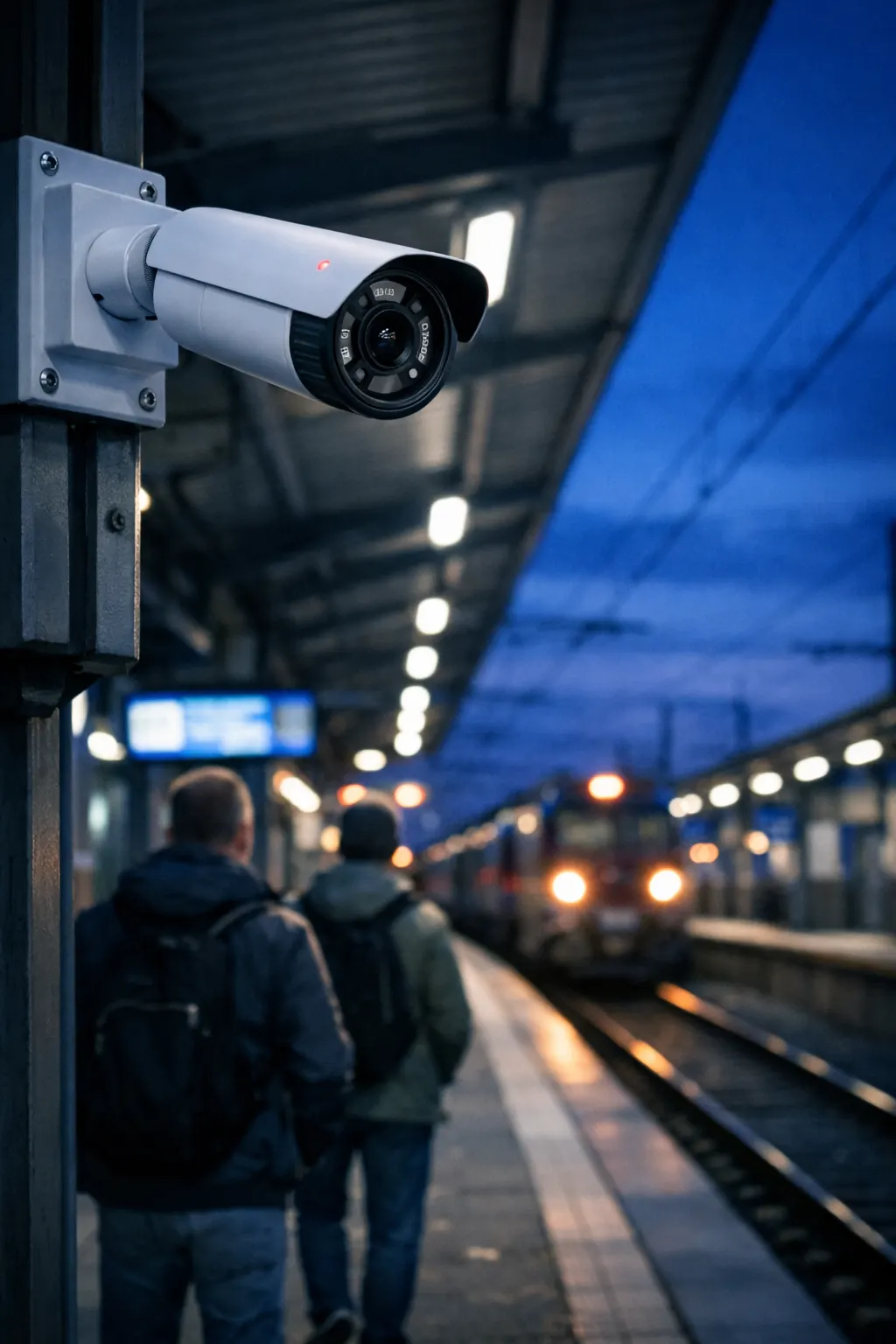
In the security and surveillance industry, image quality in low-light environments is a constant operational challenge. From dimly lit parking areas and warehouses to nighttime perimeter monitoring, surveillance cameras are expected to deliver reliable video and still images even when lighting conditions are poor.
When light levels drop, familiar issues arise: increased image noise, loss of detail, motion blur, and reduced ability to identify faces or license plates. Yet surveillance systems must continue to perform reliably, often operating around the clock in unpredictable lighting environments.
By setting out standardised test procedures, illumination requirements and dedicated test charts, a standard allows manufacturers and system developers to measure and improve camera performance in low-light conditions objectively.
To address these challenges, the international standard ISO 19093, developed by the ISO/TC 42, defines a structured protocol for evaluating the low-light performance of digital cameras.
Prefer to Test In-House?
If you would prefer to conduct the ISP-Tuning image quality tests at your own facility, we can provide you with the test charts, light sources, and evaluation software that we use in our lab. You can find the complete technical specifications on the respective product pages.
Need help with testing the performance of security cameras?
Find the right products and services to test the performance of security cameras according to ISO 19093:2018-08.