
ISO发布新的Resolution标准是有充分理由的!
国际标准化组织于2014年2月发布了《ISO 12233 摄影——电子静止图像成像——Resolution和空间频率响应》的修订版。
该标准的旧版本定义了一种高对比度Test Chart,该Test Chart在业内被广泛使用。然而,当使用该Test Chart通过高对比度倾斜边缘来测定空间频率响应时,结果有时会显得非常奇怪,且与实际Resolution(即相机捕捉场景中细微细节的能力)不符。
这种现象有两个原因。其一,该测试图为高对比度图,常导致高光和阴影区域出现剪切,从而导致对边缘的误判。 第二个原因是,如果边缘被锐化或压缩,用于分析空间频率响应(SFR)的边缘扩散函数就会发生改变,从而无法再准确反映Resolution。
以下是一个示例:
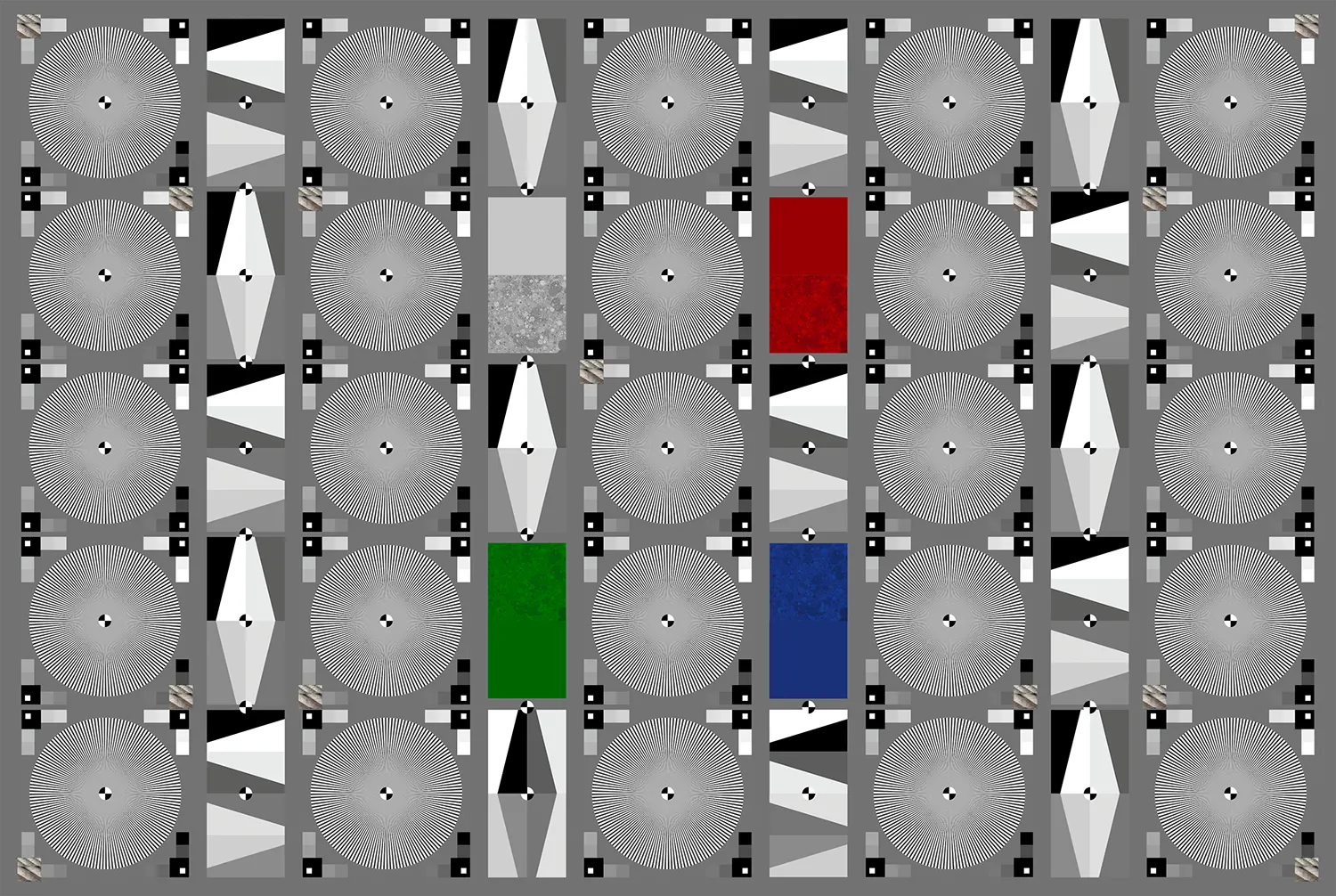
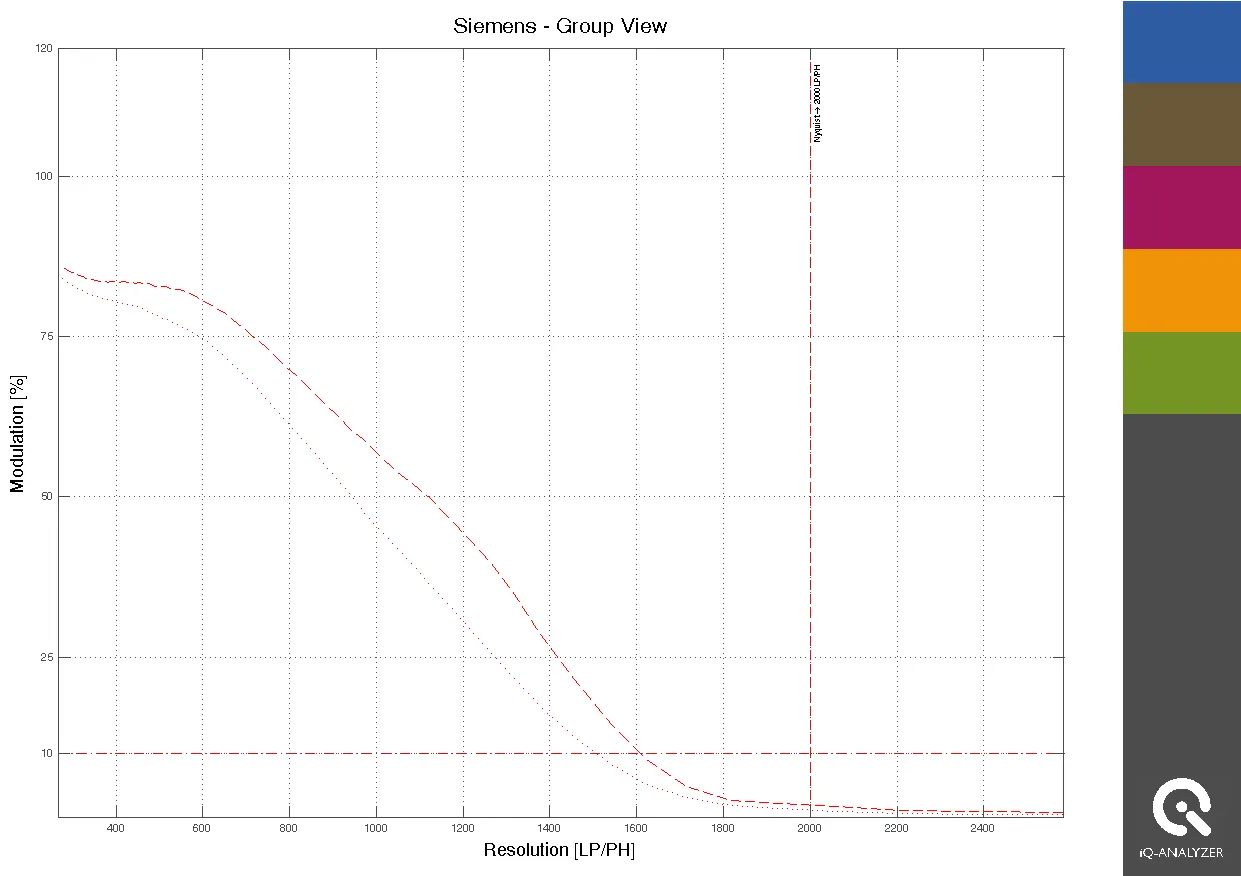
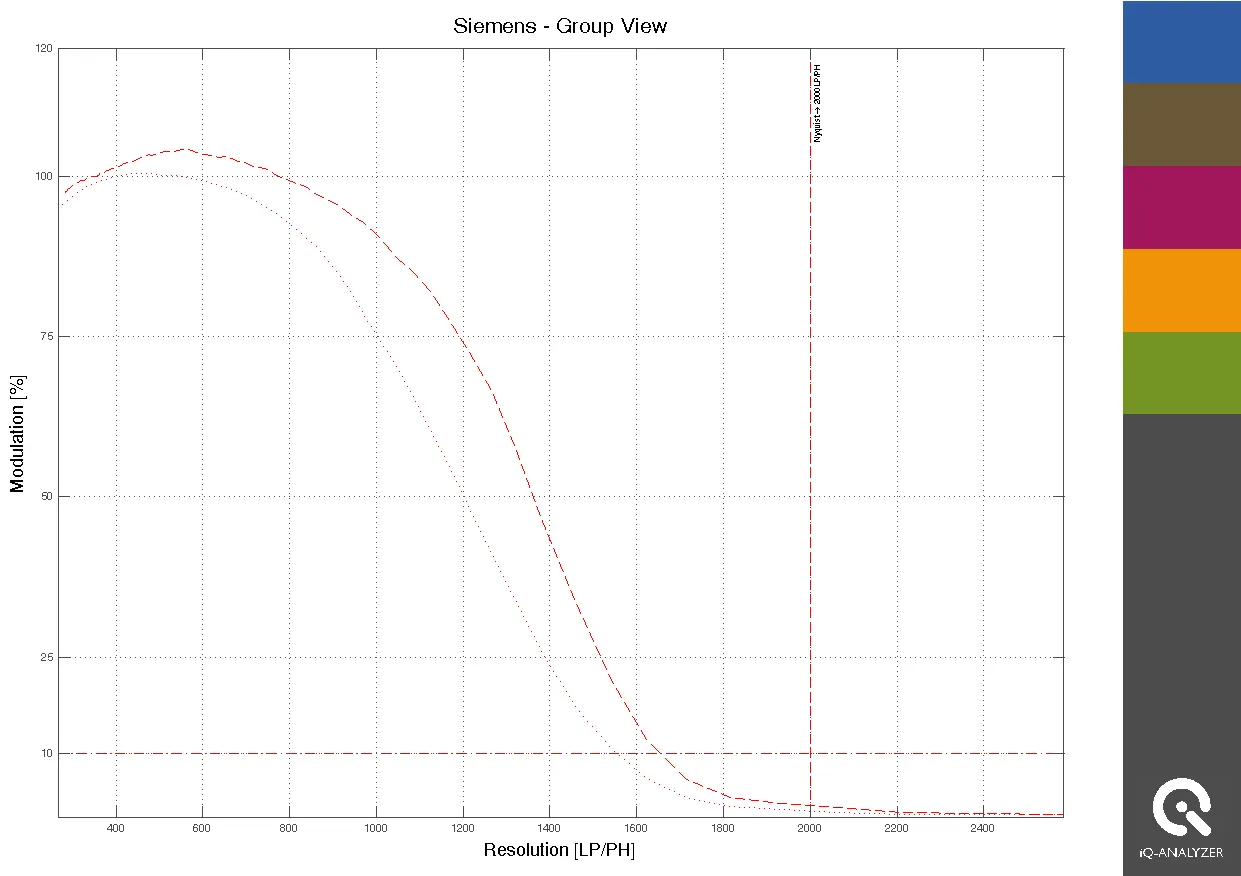
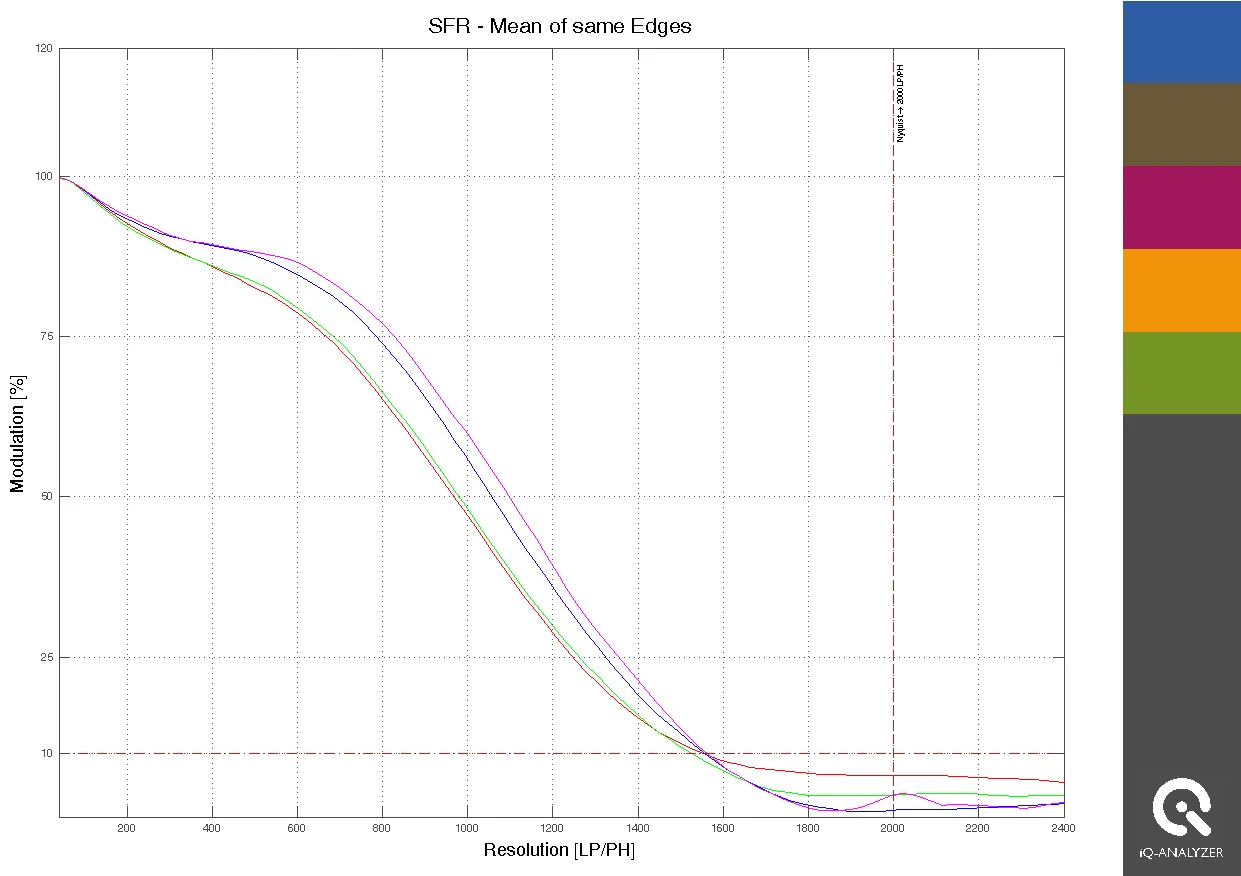
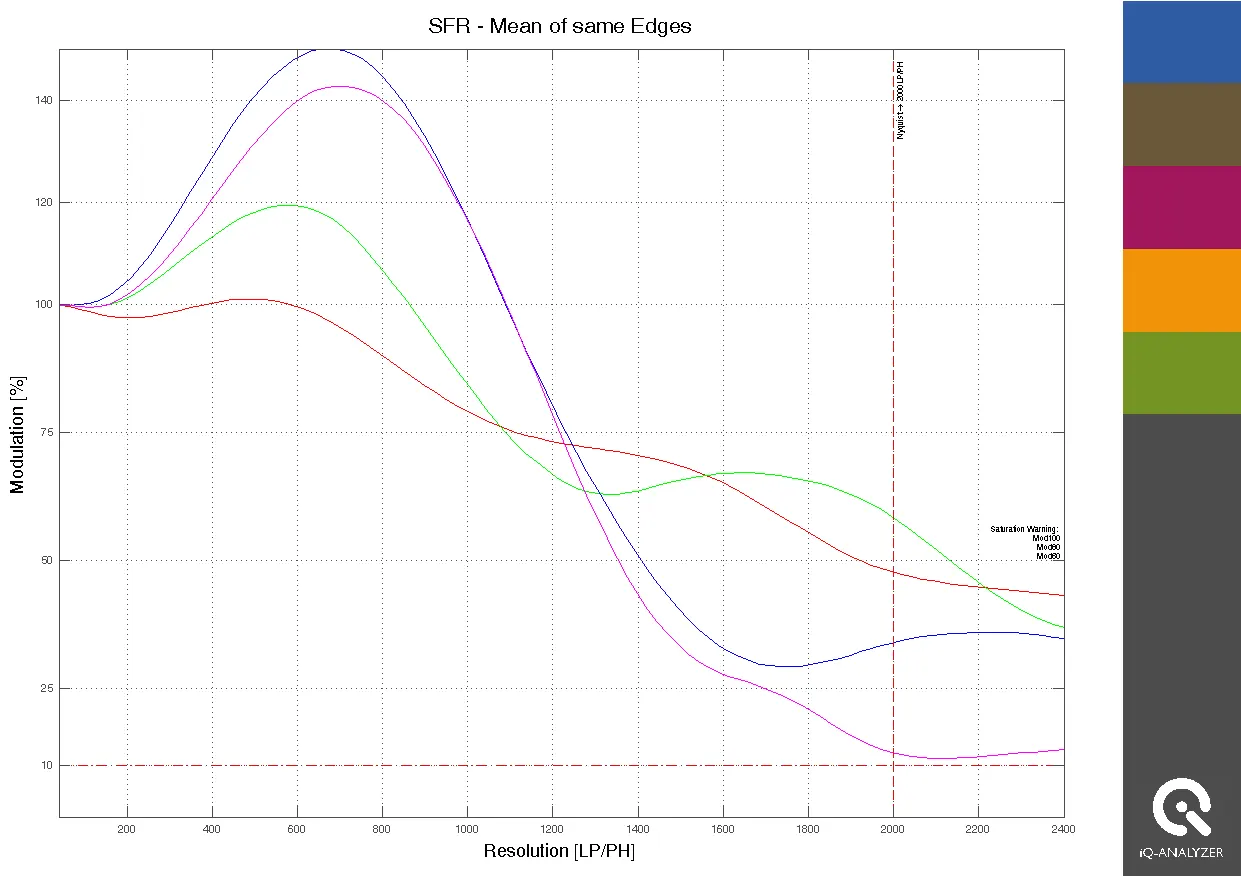
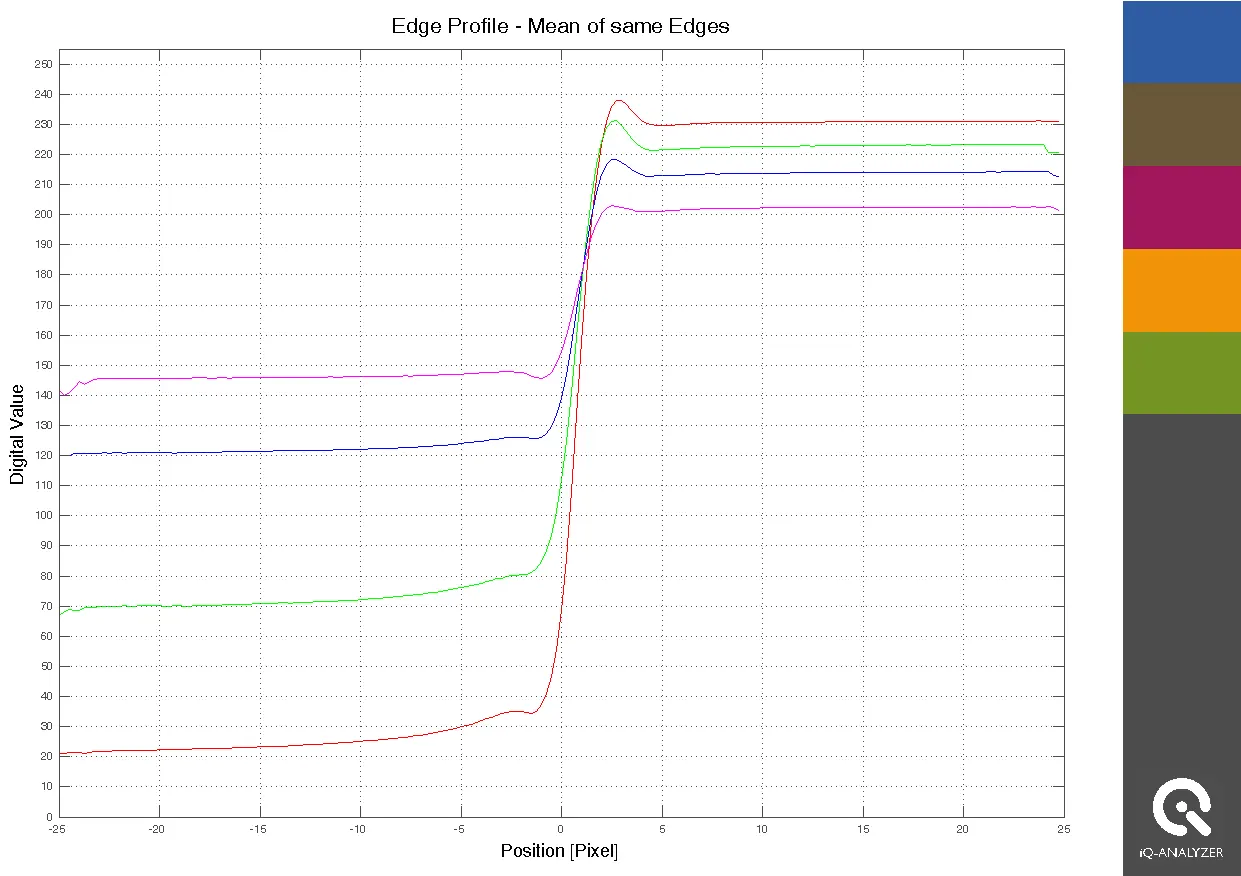
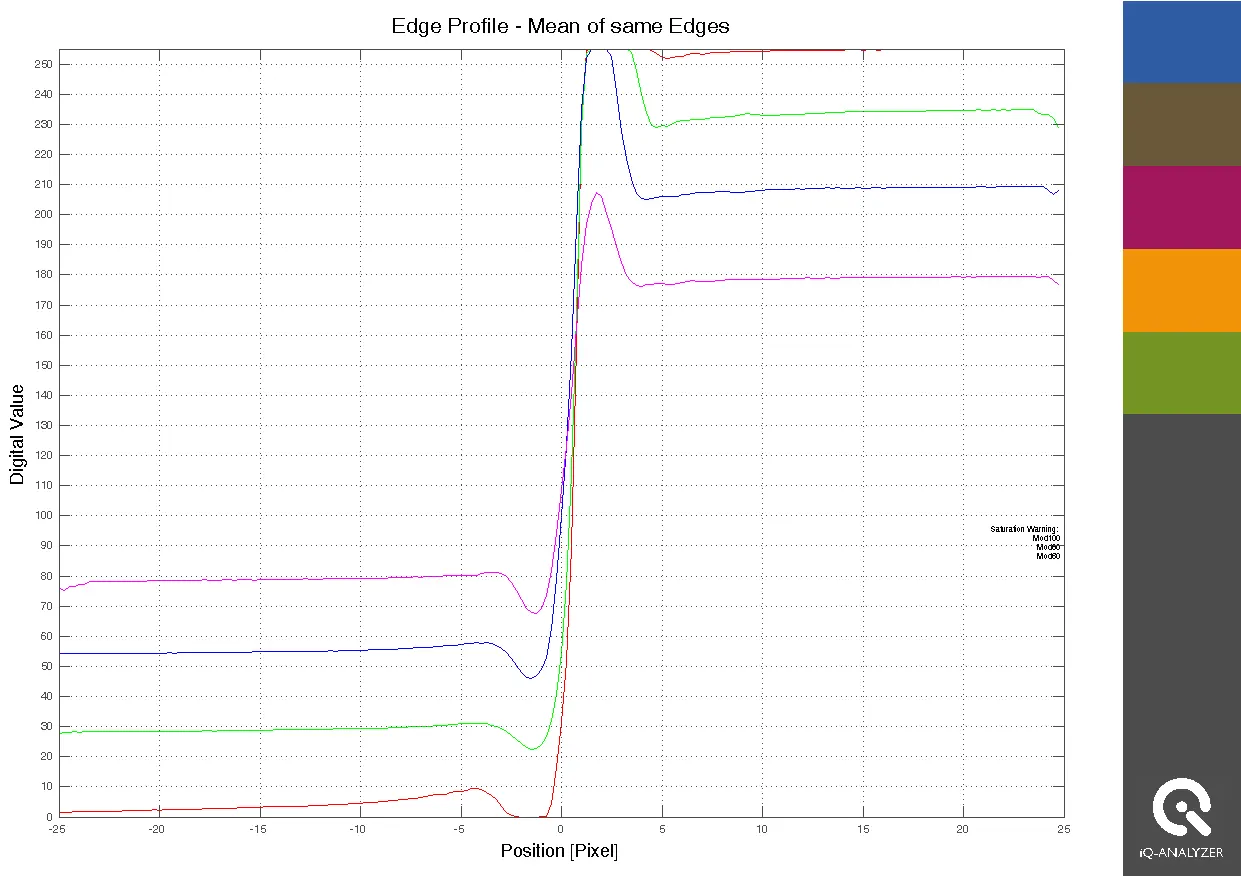
我们使用相机拍摄并保存了TE268测试图的图像,该图包含不同对比度级别的倾斜边缘以及西门子星。随后在Photoshop中打开该图像并进行了锐化处理,以确保所有数据均源自同一原始图像。
从图表中可以看出,未经锐化但已经过处理的图像在倾斜边缘和西门子星测试中均呈现出相似的结果,其极限 Resolution(10% 阈值)约为 1600 LP/PH。
对锐化后图像的分析表明,对西门子星的分析是有意义的,因为该曲线具有锐化图像的典型形状,但其极限Resolution仅比原始图像略高。这是因为西门子星是按频率逐频段进行分析的。 然而,对锐化边缘的分析却显示出非常奇怪的结果,其极限Resolution甚至超出了奈奎斯特极限。这是因为边缘的锐化改变了边缘扩散函数,使其无法再用于描述Resolution。
结论
倾斜边缘和西门子星CAN用于在未锐化且未压缩的图像上测量相机的Resolution。在此情况下,倾斜边缘具有一定优势,因为它们还可用于边缘宽度分析——这对于描述模糊现象至关重要,因此也适用于测试图像防抖功能。
另一方面,如果相机在图像处理过程中进行了大量锐化或采用了高压缩率,且该功能无法关闭,那么由 Image Engineering 与科隆大学共同开发的西门子星及其相关分析方法便是最合适的测试结构。 这两种方法均在最新修订版的 ISO 标准中有所描述,且所用边缘的对比度已降低,以使边缘对锐化及剪切的敏感度降低。
迪特马尔·维勒
首席执行官