Skip to content
Industries
Products
Test Lab
Training & Events
Resources
Company
Contact
Contact
  1. Home
  2. News
  3. From Measurement to Requirements: How IEC 62676-5 is Evolving

Image Engineering

Standards
Share
October 30, 2026|Dietmar Wüller

From Measurement to Requirements: How IEC 62676-5 is Evolving

Objective measurements are important. Defining the level of performance a camera must actually achieve is equally as important. The ongoing revision of IEC 62676-5 expands the focus from just measurement methods to application-specific performance requirements for professional security cameras.

What Makes a Security Camera “Good Enough”?

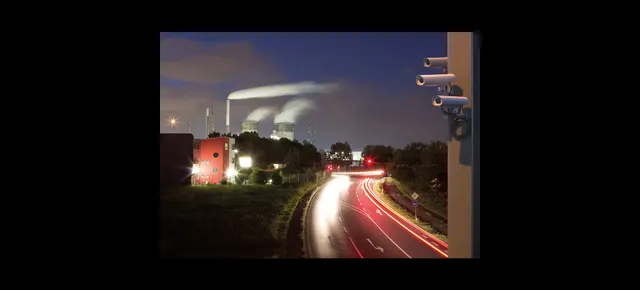
The international standard IEC 62676-5 defines key image quality characteristics and test methods for professional video surveillance cameras. The standard is currently under revision, with the updated version expected to be published in 2027.

One of the most significant changes concerns low-light performance. In the current version of the standard, low-light evaluation is included as an informative annex. In the upcoming revision, it will become a normative part of the standard, recognizing the growing importance of camera performance under very low illumination levels.

To support this development, Image Engineering conducted a psychophysical study to determine the perceptual thresholds of image quality attributes that matter in low-light conditions. The results were published at the Electronic Imaging Symposium in March 2026 and provide a scientific basis for defining meaningful performance requirements.

Another important addition is the new Annex C, which introduces application-specific performance requirements. The annex addresses a wide range of surveillance applications, including critical infrastructure, and defines the image quality levels required for different use cases. For the first time, the standard defines concrete performance expectations for different surveillance applications, helping organizations establish consistent requirements for purchasing and deploying surveillance systems.

The practical relevance of these requirements is already evident. The Indian government uses IEC 62676-5 as a basis for security camera tenders. Following these requirements, the new Annex J, “Complete Requirements for Camera Equipment of Video Surveillance Systems for Use in Security Applications,” has been added to the standard.

These developments reflect a broader shift in security camera evaluation. While previous versions of the standard primarily defined how cameras should be measured, the next generation of IEC 62676-5 increasingly defines what level of performance cameras should deliver in real-world applications.

As Project Leader of IEC 62676-5, Dietmar Wueller, founder of Image Engineering, continues to contribute towards the development of objective and application-oriented image quality standards for the surveillance industry.

Learn more about IEC 62676-5 testing

Related news

StoryOctober 30, 2026

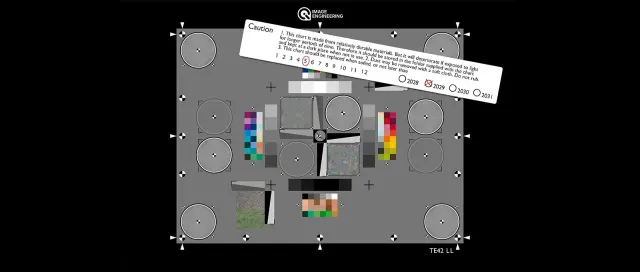
Did You Know? Reference Charts Age Too

Objective image quality measurements rely on dependable references. Yet while cameras, lighting systems, and test setups are regularly checked, one important factor is often overlooked: the test chart. Reference charts age over time and the aging process can affect the validity of measurement results. You can find the recommended replacement date on the back of your test chart.

Read more
ProductOctober 30, 2026

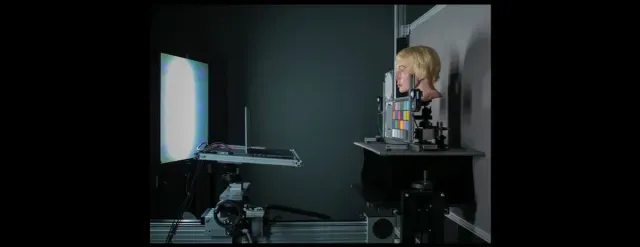
What Happens When You Look Away During a Video Call?

People rarely sit perfectly still during video conferences. They glance at a second screen, take notes, or briefly turn toward someone else in the room. For webcams, this presents a challenge: they must maintain consistent image quality and respond reliably when a face returns to view. But how can this behavior be measured objectively?

Read more
TechnologyOctober 1, 2026

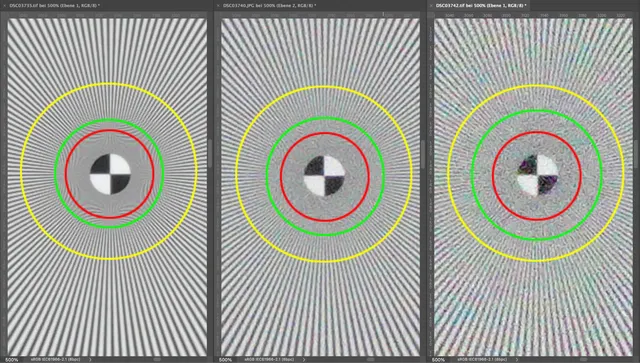
Reliable Resolution Measurements Under High Image Noise Conditions

Resolution assessment is one of the most important methods for camera characterization. During its analysis, one question often arises: does a resolution measurement remain meaningful when the image is heavily affected by noise? High noise levels make it more difficult to evaluate the actual detail reproduction capabilities of a camera system. A recent study conducted as part of ISO standardization activities demonstrates that the Siemens-star MTF10 value continues to represent the visually perceived resolution limit reliably, even under these conditions.

Read more

Ready to Transform Your Vision?

Discover how our precision testing solutions can elevate your imaging projects.

Need help with

image quality testing?

Our team of experts is ready to help you achieve the best results for your imaging applications.

Phone (DE): +49 2273 99 99 1-0
Phone (USA): +1 786 686-8664
Phone (China): +86 158 8961 9096
Office Hours: Mon–Fri, 9–5 PM (CET)
Contact Us
Image Engineering
surveillance cameras
test chart with recommended replacement date label
A side view of a photography setup featuring a mannequin head and color chart.
Siemens Star with three different noise levels