

Climate-Controlled Testing for Automotive Camera Systems
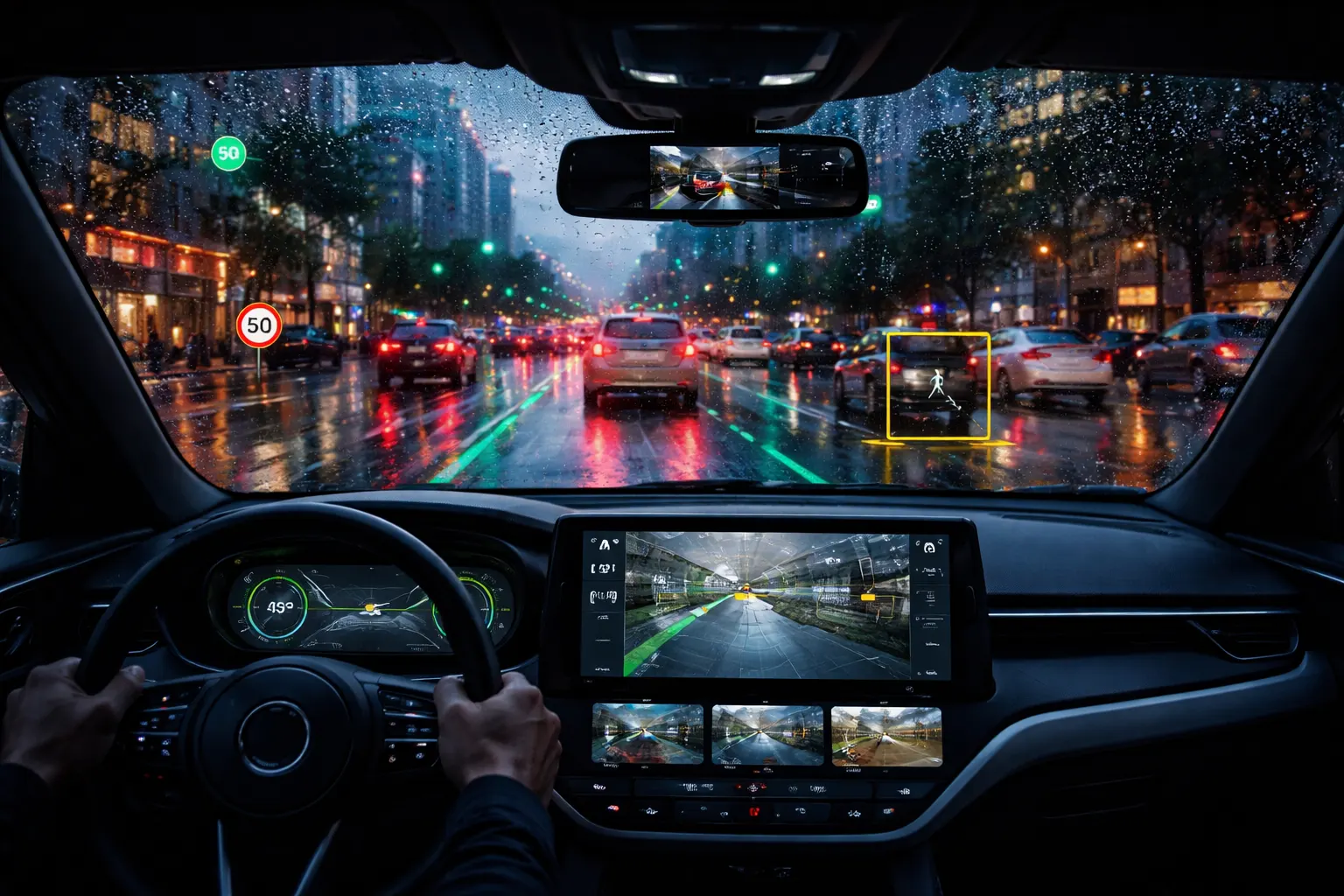
Reliable camera performance is essential for modern automotive applications, ranging from parking assistance to fully autonomous driving. Climate-controlled testing ensures that these systems operate consistently in all environmental conditions, making it a critical factor for safety and performance.
Automotive cameras must function flawlessly in dynamic and often extreme environments, including bright sunlight, heavy fog, low-light conditions, and significant temperature fluctuations. Key performance indicators (KPIs) such as Contrast Transfer Accuracy (CTA), image stabilization, low-light sensitivity, and flicker mitigation must be validated not only under ideal conditions but also across varying climates. Controlled testing environments enable reproducible and precise evaluation of these factors.
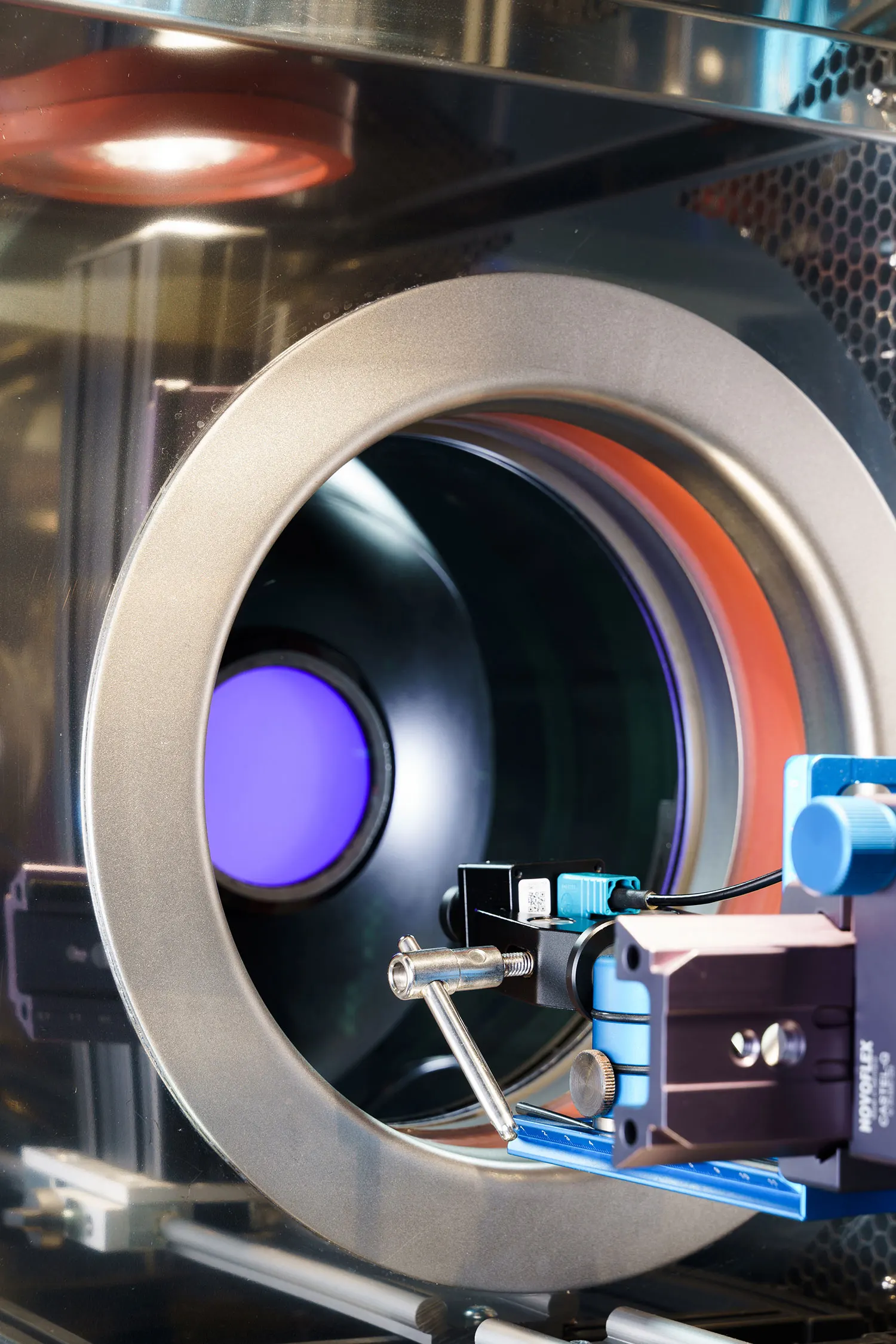
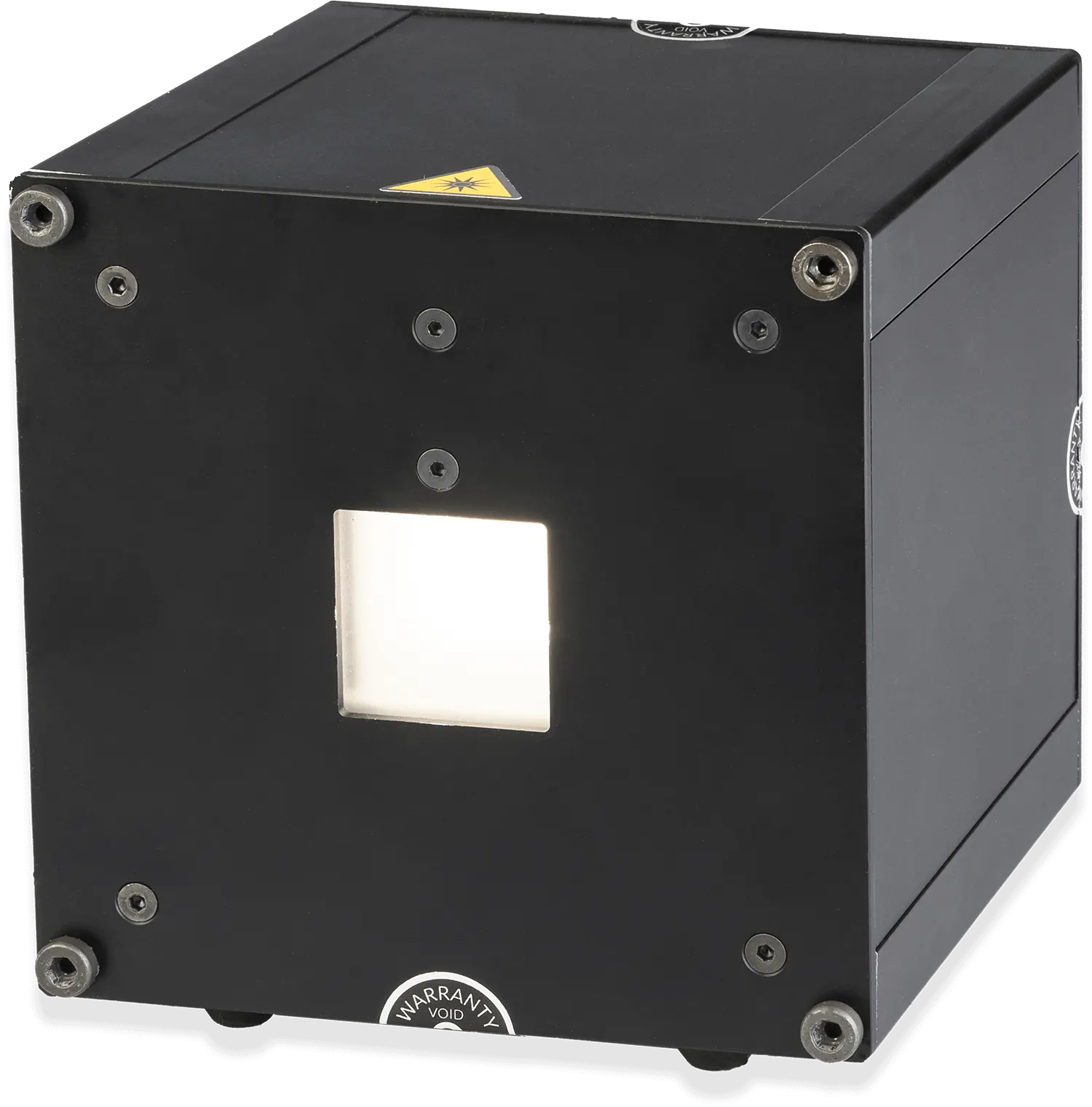
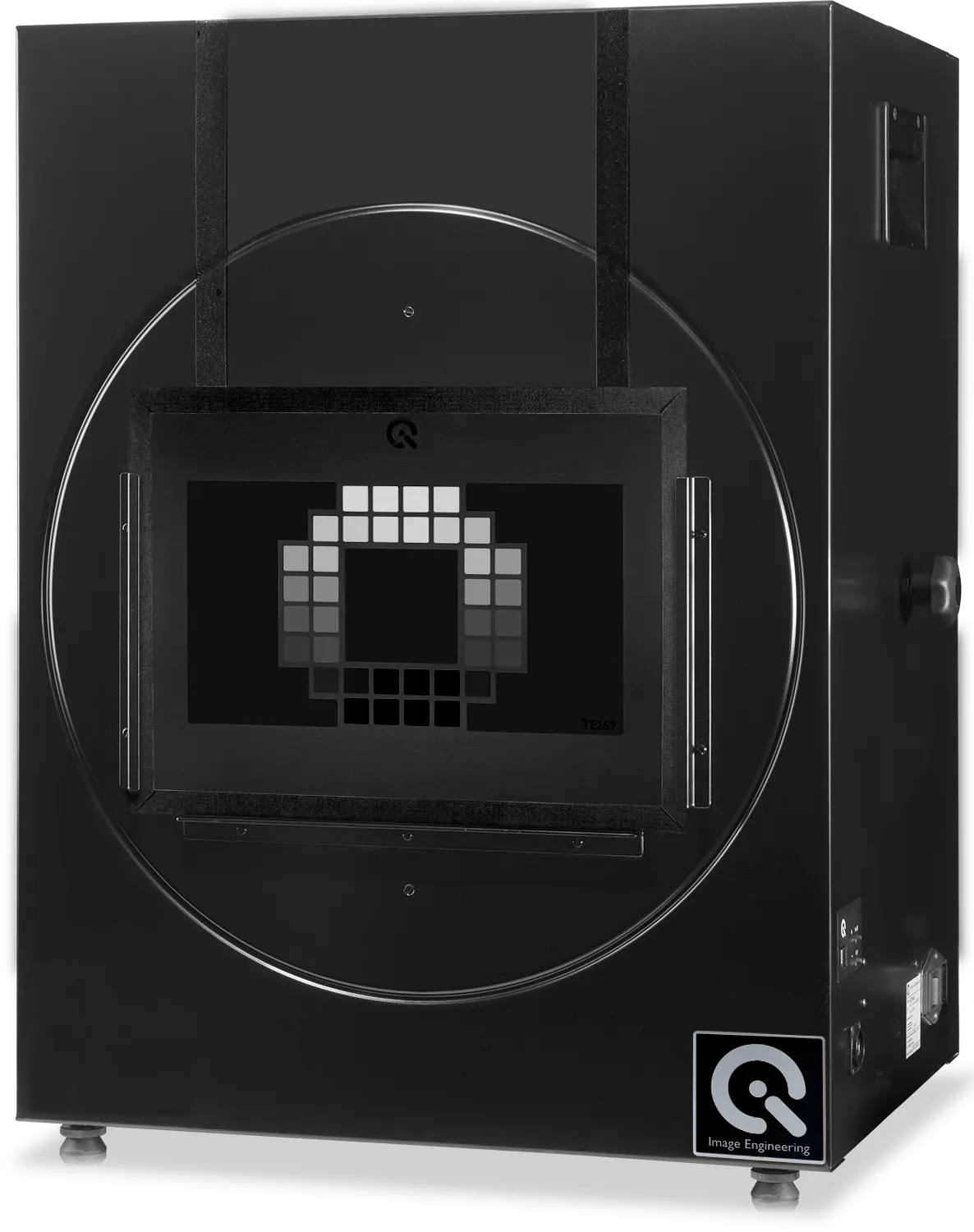
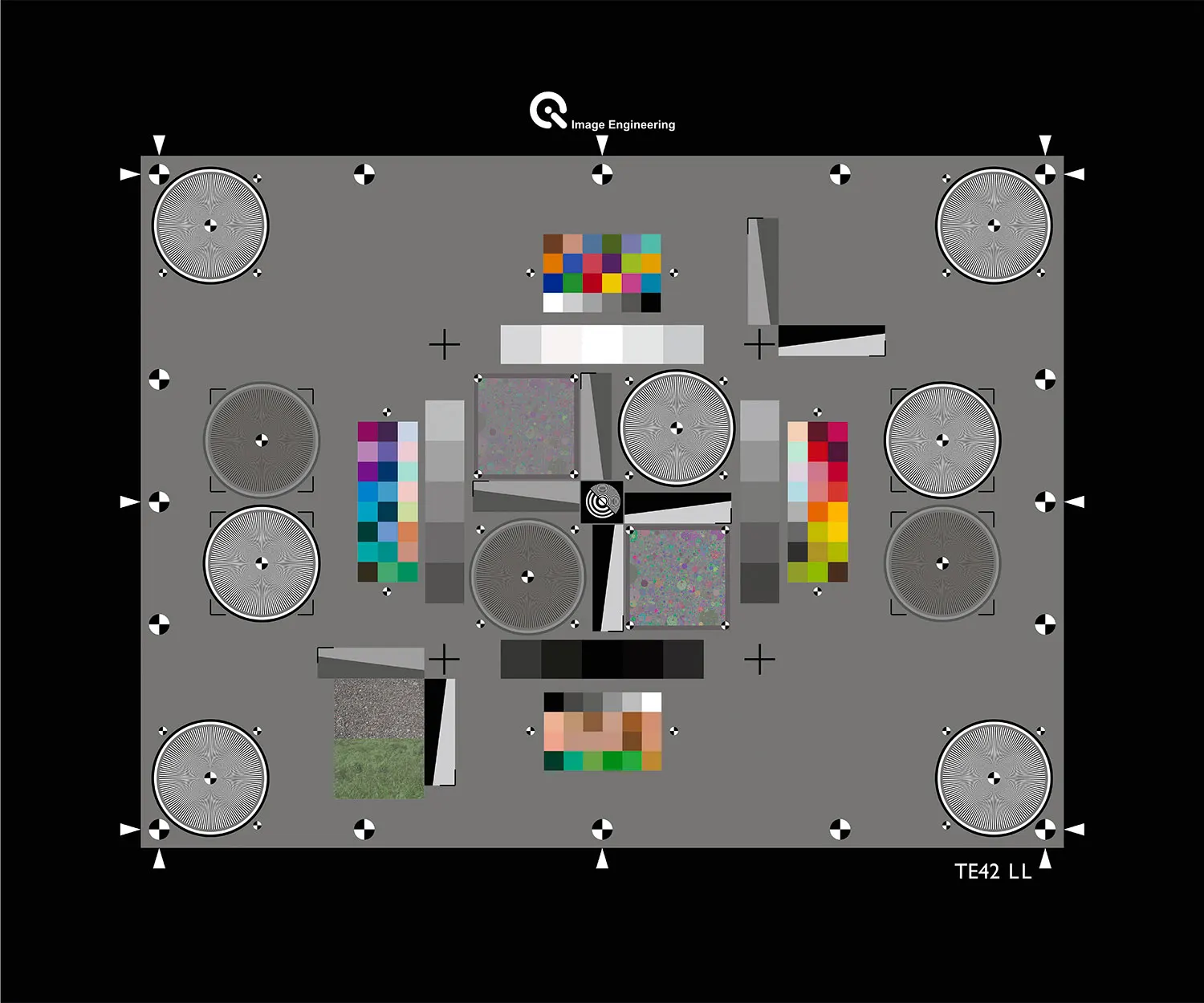
Using advanced climate chambers, engineers can simulate temperatures from sub-zero to extreme heat while combining standardized test charts and controlled lighting. This allows for accurate assessment of image quality, object detection, and system reliability in real-world scenarios. With evolving standards like IEEE-P2020, such testing is becoming increasingly essential for validating automotive camera systems.
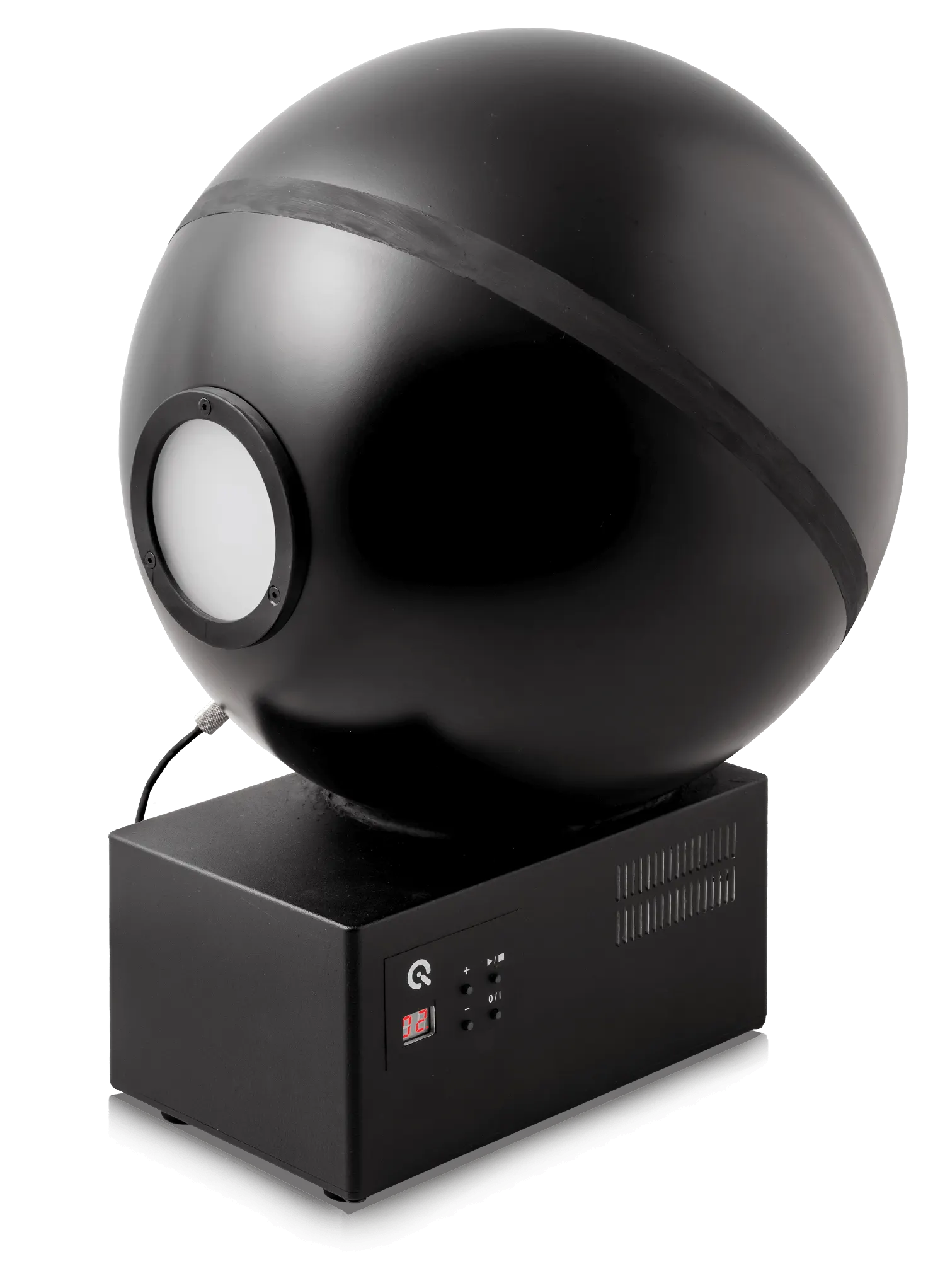
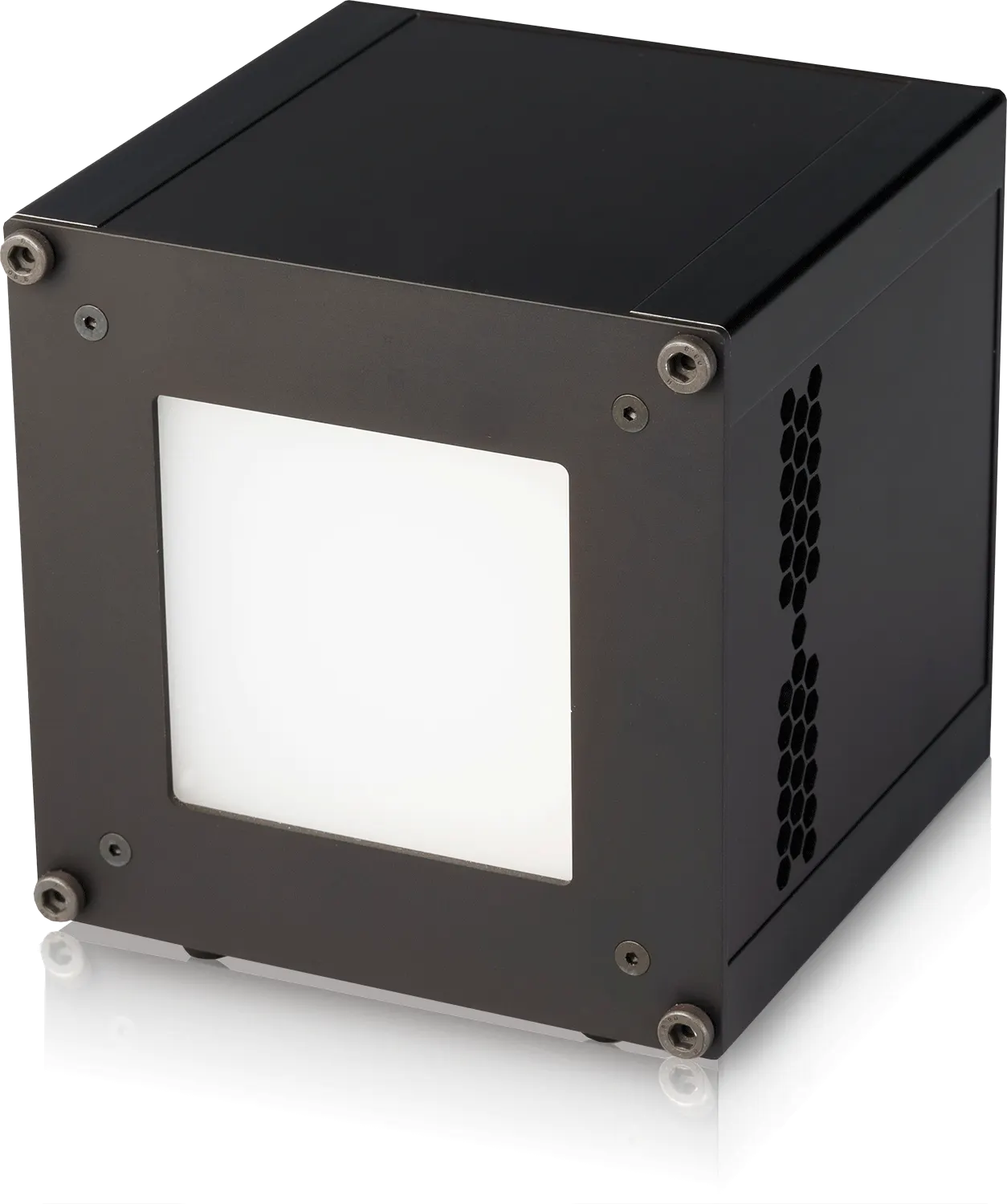
Image Engineering offers extensive expertise in climate-controlled testing, providing integrated solutions that combine cutting-edge climate chambers, high-precision test charts, and advanced lighting technologies. This enables automotive manufacturers to meet stringent quality requirements and ensure reliable camera performance, paving the way for safer and autonomous mobility.
Solutions for testing in Climate-Controlled Conditions


Need Help with Testing under Climatic Conditions?
Find the right products and services to test a camera system under controlled climatic conditions.