
Industry Overview
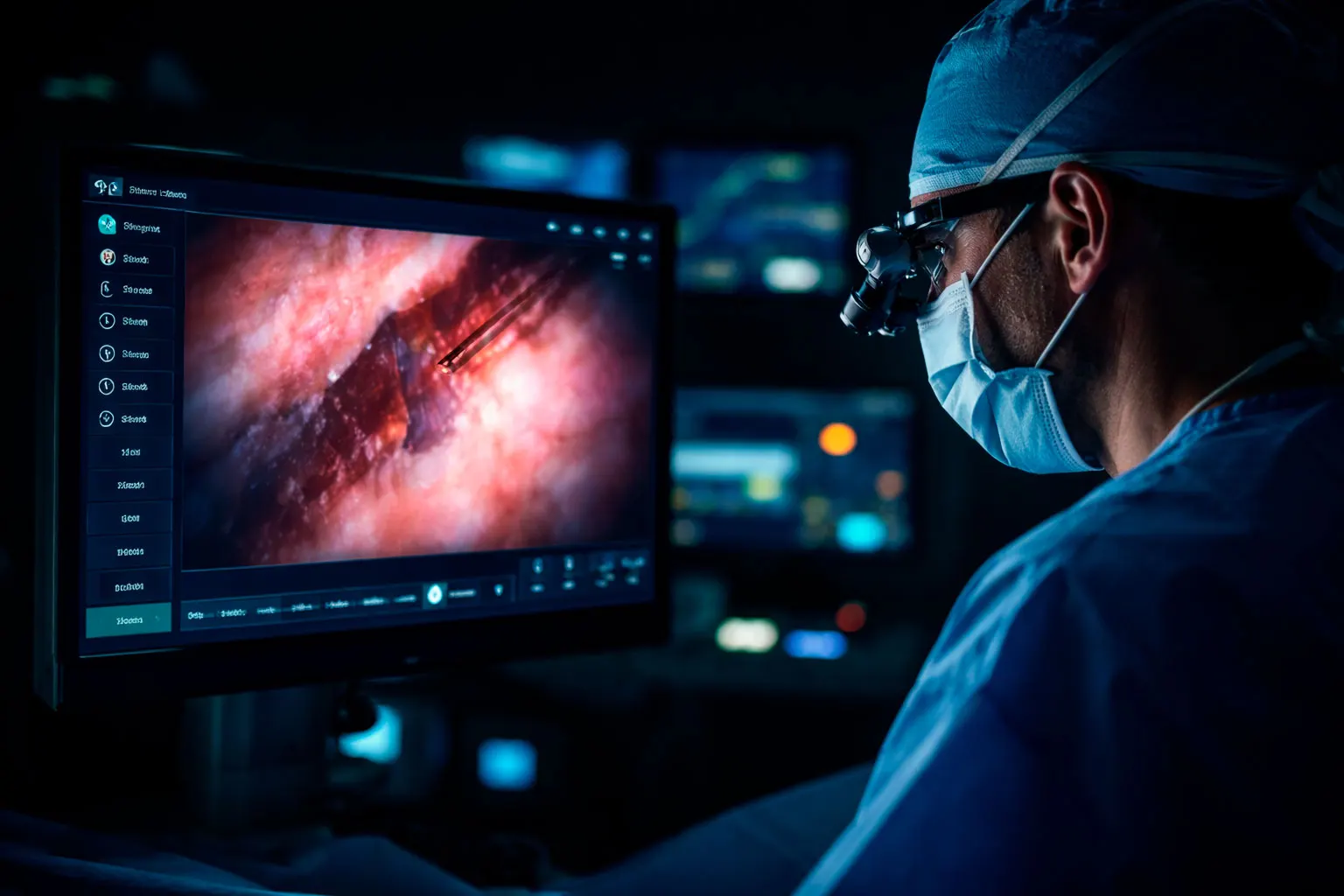
One of the most critical aspects of our lives is our health. We rely on doctors and other medical professionals when we are sick or injured, placing great trust in them to make the right decisions about our health. As a result, health professionals need access to the best technology to help them make informed decisions. One area of technology that remains vital is the proper functioning of endoscopic camera systems. These cameras rely on high image quality to deliver clear images to doctors of what is happening inside their patients.
Image quality is a critical factor in medical imaging and endoscopic procedures. The ability to produce precise, accurate, and detailed images can directly impact diagnostic accuracy and procedural decisions. These challenges make evaluating and maintaining image quality a top priority for manufacturers of medical and endoscopic cameras. Additionally, nearly all medical and endoscopic camera systems must meet stringent regulatory and performance standards to ensure patient safety and optimal outcomes.
Evaluating camera performance requires understanding the factors that define image quality and the test tools available to assess them. We offer a wide range of solutions, from test charts to illumination devices, to help endoscopic manufacturers assess the image quality performance of their products.
Main Applications
There are a few primary applications that are crucial to determining the functionality of endoscopic camera systems.
Camera Resolution
Optical Distortion
Color Calibration
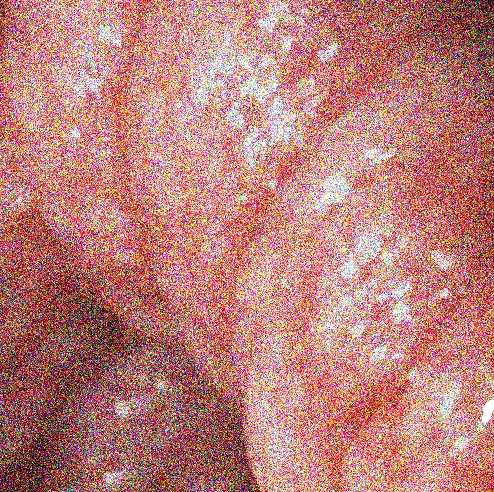
Signal-to-Noise Ratio (SNR)
Signal-to-Noise Ratio (SNR) indicates the clarity of an image relative to background noise. Unwanted noise in an image can lead to poor resolution and texture loss.
Relevant Standards for Medical Imaging
A look at the image quality standards that are essential to understand when evaluating endoscopic cameras
ISO 12233 – Resolution
ISO 15739 – Noise
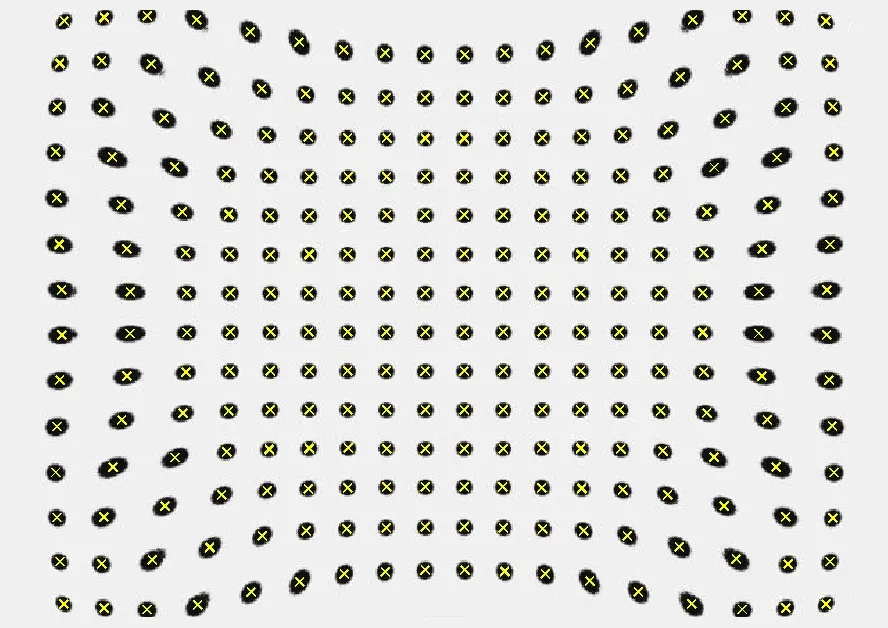
ISO 17850 – Distortion
Outlines the metrics and test methods for evaluating the geometric distortion performance of a camera system.
Key Products
Advanced products for optimizing tests for endoscopic camera systems.
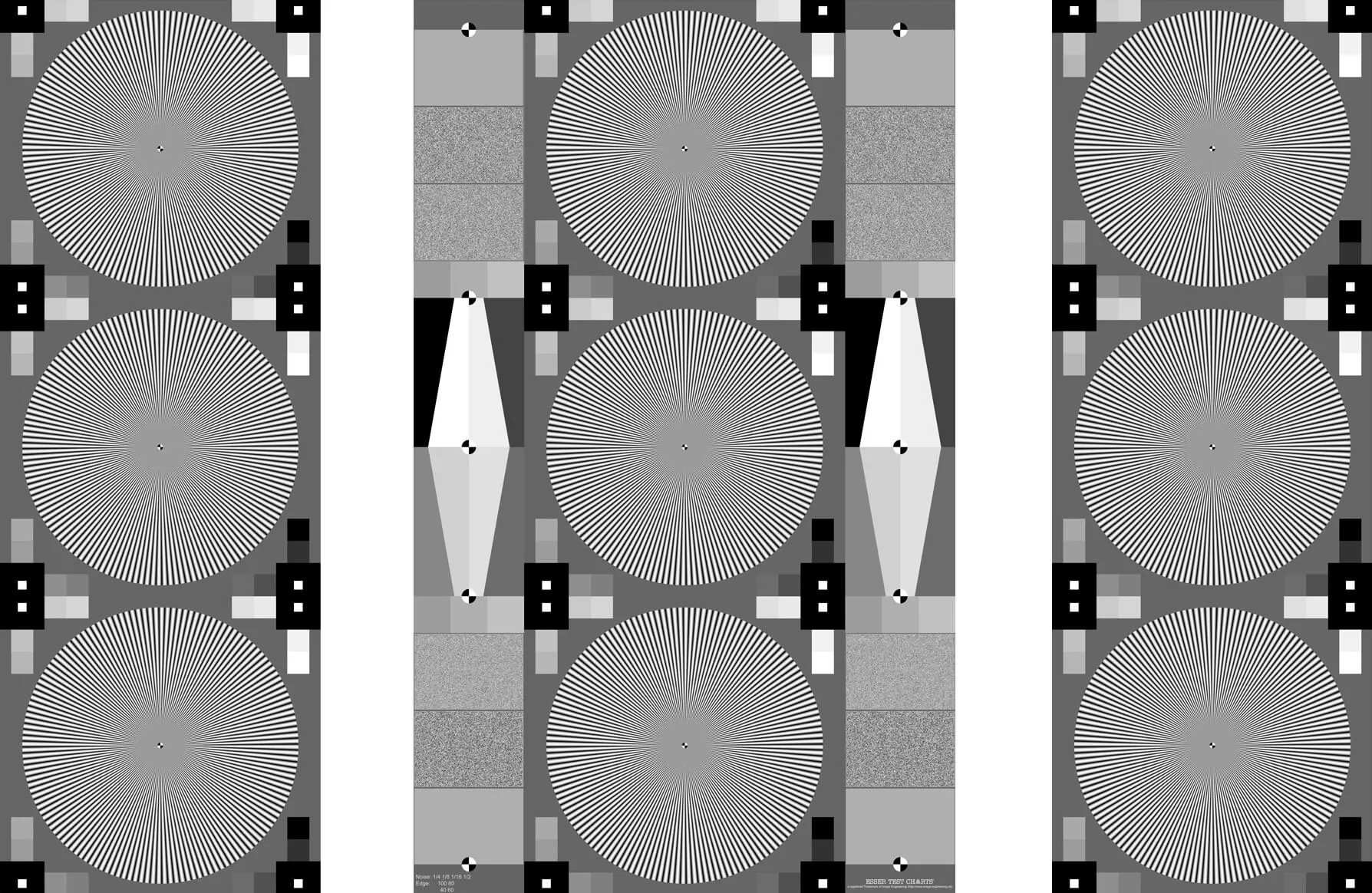
TE253 9x
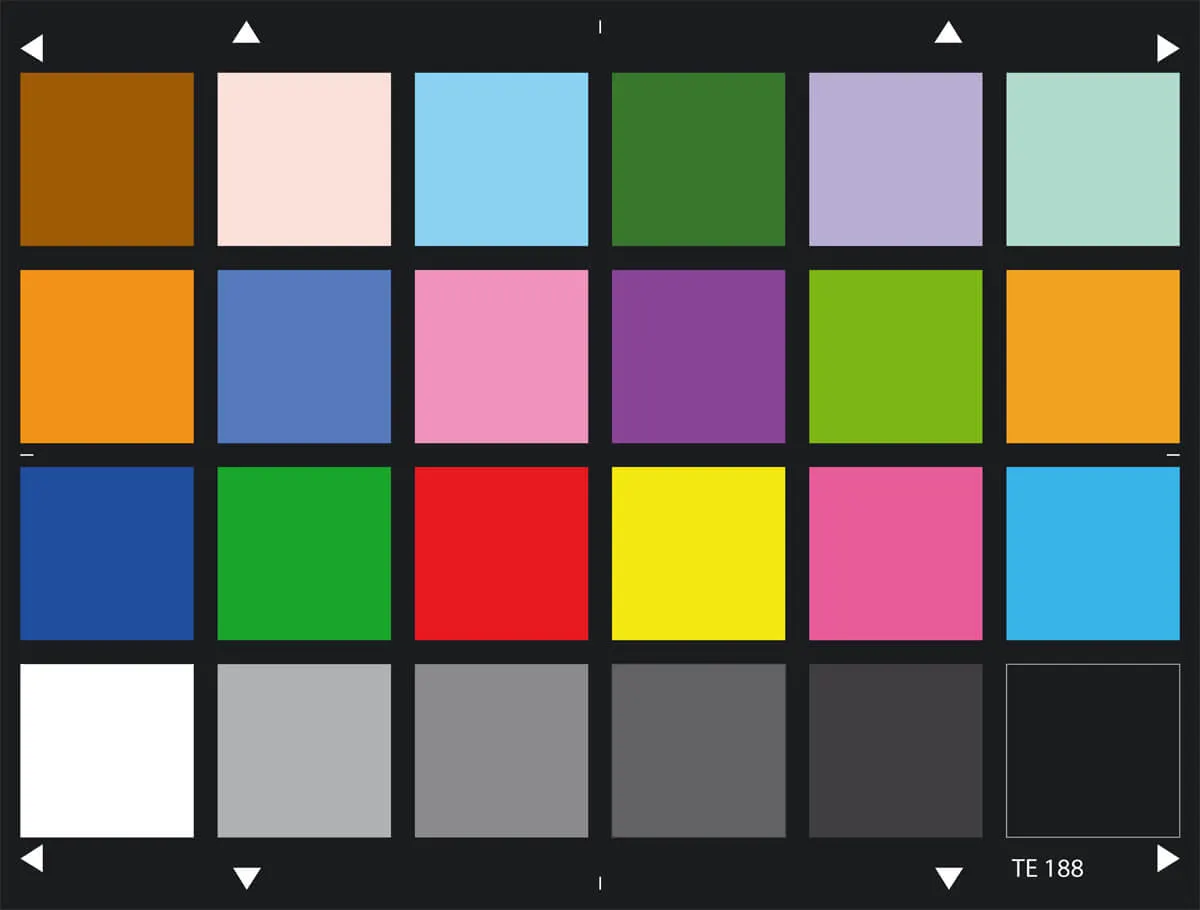
TE188
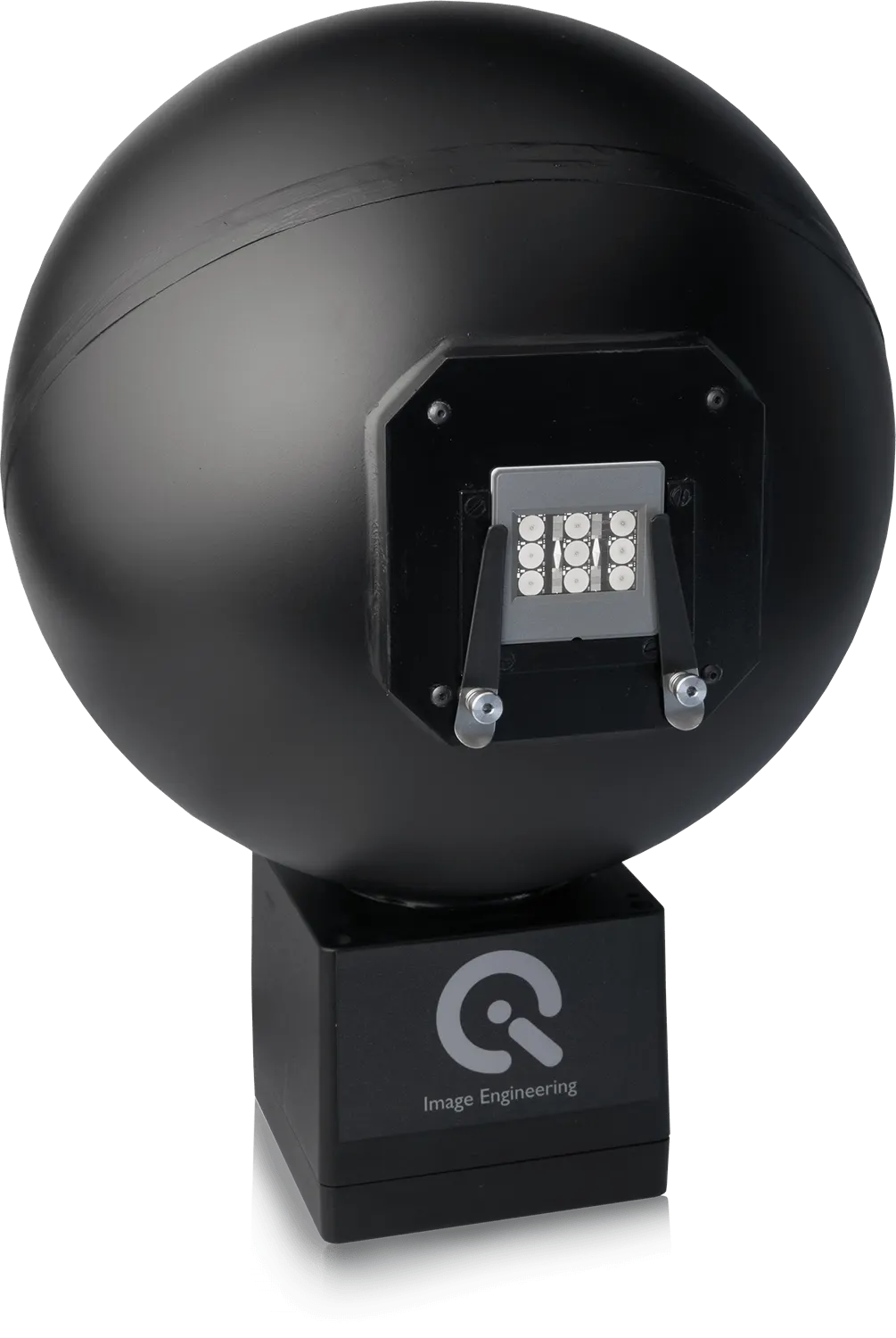
CAL4
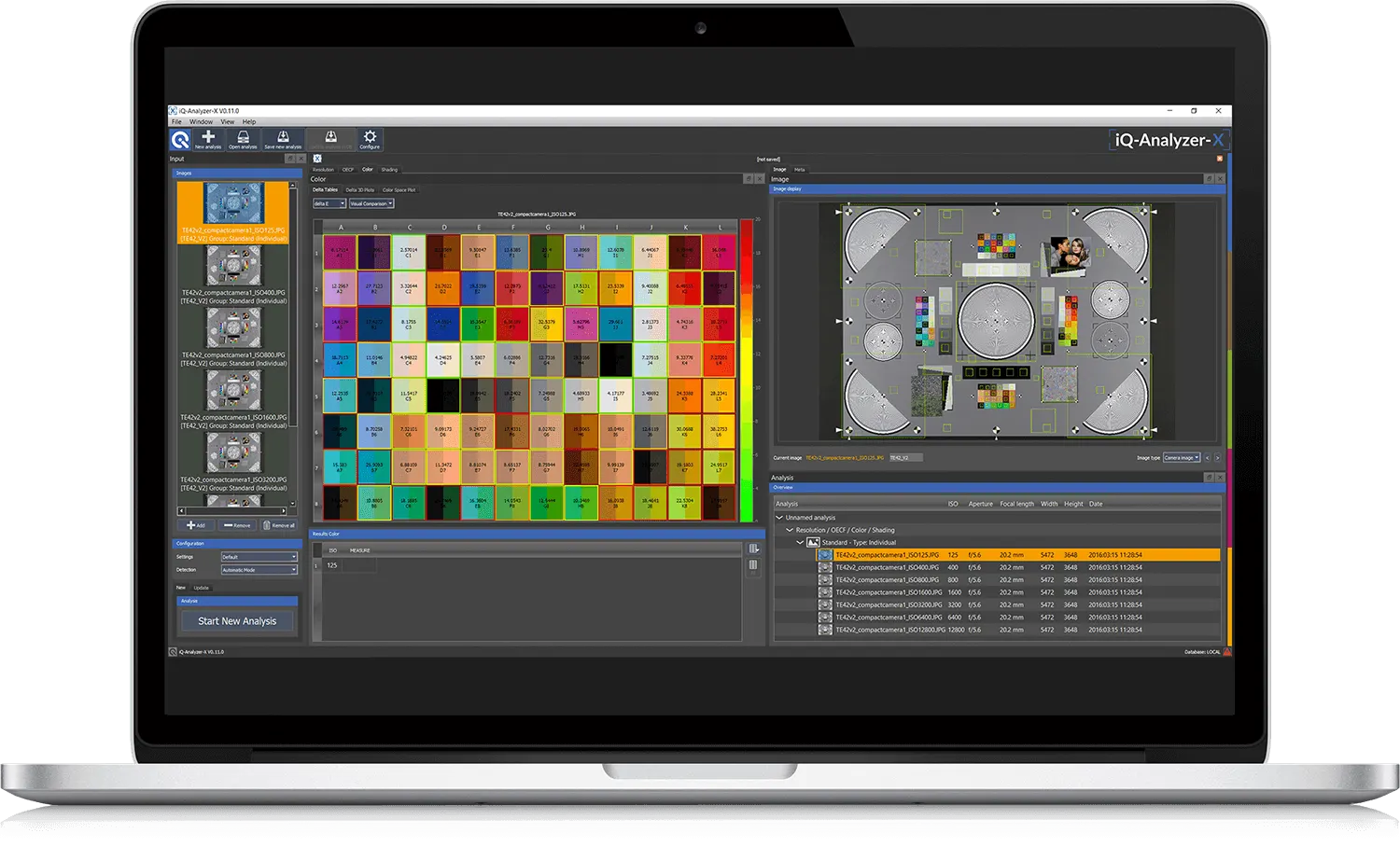
iQ-Analyzer-X
Advanced AI-powered analysis software for evaluating the camera's performance of various image quality factors.
Medical Camera Test Services
Let us test your cameras!
We house one of the world's largest independent and objective camera test labs. For over twenty years, we have provided objective camera tests to companies looking to improve the image quality performance of their digital cameras.
Our test lab has extensive experience testing endoscopic cameras in the medical field. We closely follow relevant international standards, such as ISO, when performing our tests, and we have built our lab using the latest testing technology and solutions.
Example Test Solutions
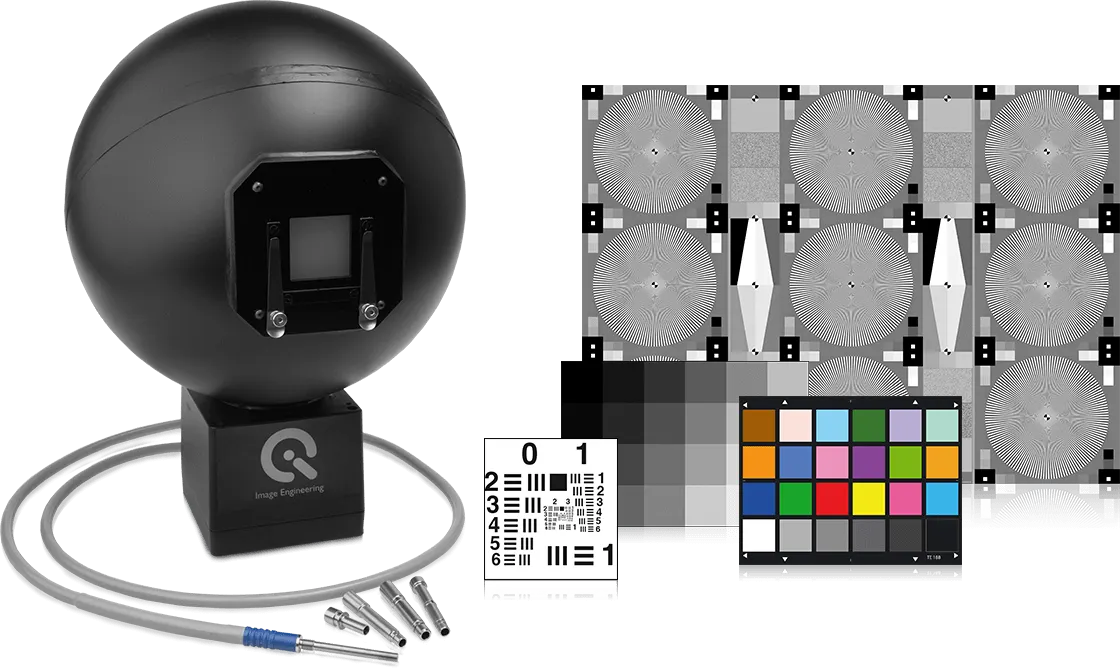
Test Setup 1: Endoscopic with CAL4
The goal of this solution is to evaluate the essential image quality factors relevant to endoscopic camera performance. Factors include resolution, dynamic range, contrast differentiation, color accuracy, noise, and optical distortion.
Ideal equipment:
TE253 9x – Resolution test chart
TE188 – ColorChecker
CAL4 – Test chart illumination
iQ-Analyzer-X – Analysis software
This solution is built around the CAL4, a 0,3m integrating sphere that provides uniform illumination over the 50 mm chart plane. The test charts are available in our smallest size of D35 (50 x 50 mm), and the iQ-Analyzer-X can evaluate the test results.
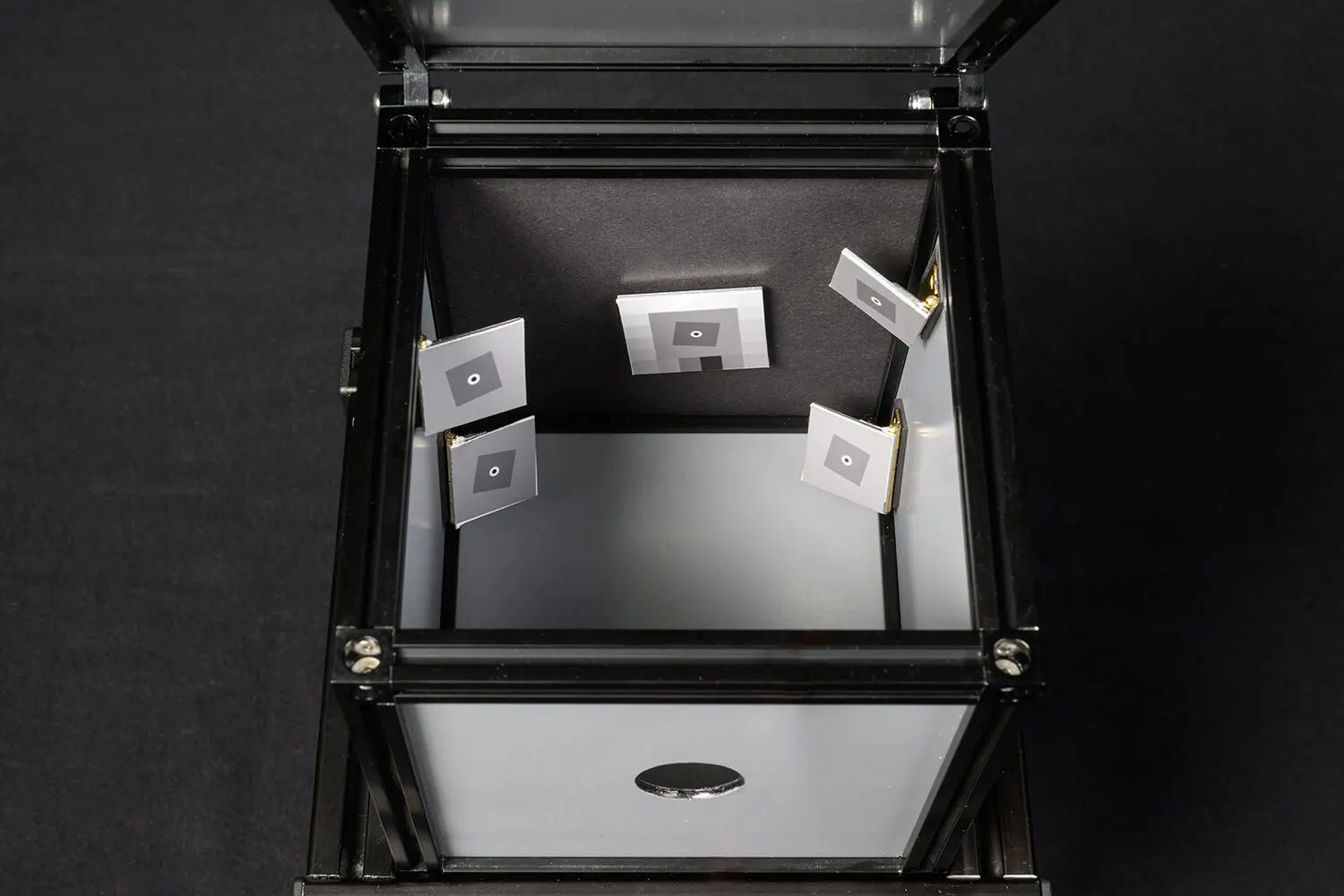
Test Setup 2: Endoscopic with iQ-FoV Box XS*
The goal of this solution is to evaluate the essential image quality factors relevant to endoscopic camera performance. Factors include resolution, dynamic range, contrast differentiation, color accuracy, noise, and optical distortion.
Ideal equipment:
iQ-Fov Box XS* – Resolution measurements
TE283 – Slanted edge test chart
Universal Camera Mount – Camera Alignment
iQ-Analyzer-X – Analysis software
This setup is built around the iQ-FoV Box XS. It is optimized for resolution measurements across wide fields of view, such as those in endoscopic cameras. The compatible test chart is the TE283 slanted-edge chart (50 x 50 mm), and the iQ-Analyzer-X can evaluate the test results.
*The iQ-FoV Box XS is currently under development.