
Industry Overview
Since the early days of analog-film cameras, objective image quality testing has provided a reliable means to compare performance, optimize image capture, and maintain consistency across production workflows.
Traditional Photography
Traditional DSLR cameras have remained widely used despite the rise of mobile imaging, due to their optical quality, sensor performance, and extensive lens ecosystems.
To ensure these cameras meet industry requirements, their image quality must be evaluated appropriately. Factors such as resolution, color accuracy, noise, dynamic range, distortion, and flare should all be tested to ensure performance standards are met. We offer a wide range of advanced image quality test solutions for traditional photo and video capture devices.
Traditional Video
The broadcast industry has also remained relevant over the years, as television remains a top source of media consumption.
Image quality testing is especially vital for broadcast cameras used in television production and HDTV. These cameras must meet strict technical standards to guarantee consistent video quality across studios, live events, and transmission platforms.
Main Applications
A look at the crucial applications and factors when determining the image quality performance of traditional cameras and video devices.
Color Calibration
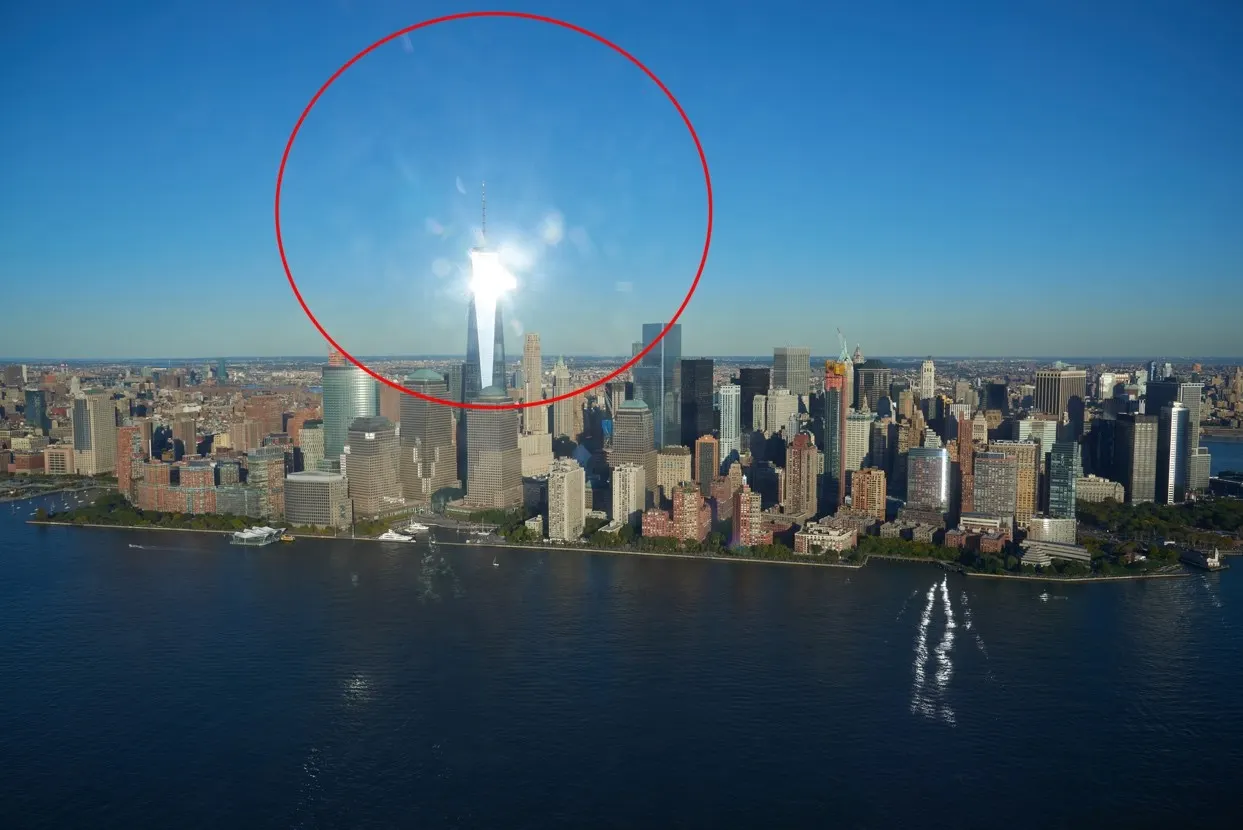
Image Flare
Flare (also known as glare or veiling flare/glare) is unwanted light in an image that did not originate from the related scene object. Flare can occur from multiple sources and can be challenging to simulate during testing.
Dynamic Range
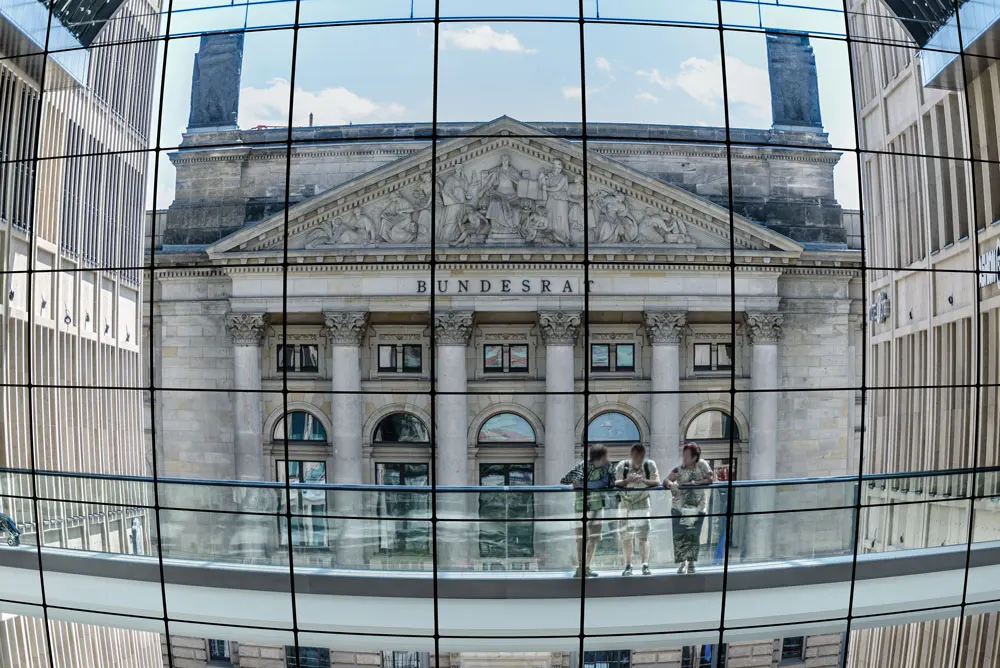
Lens Performance
Timing measurements

Resolution
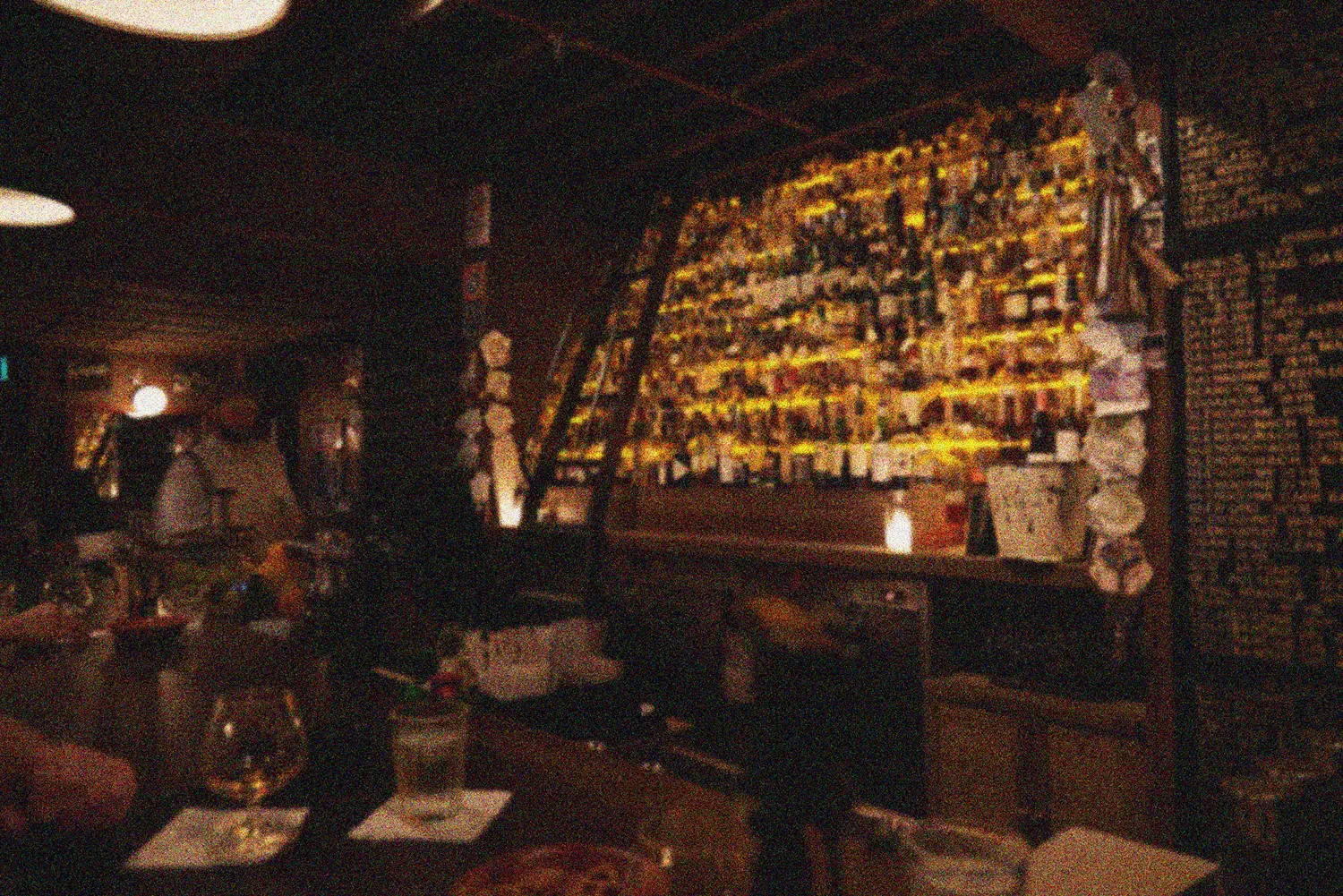
Noise
Noise can take many forms within an image and, in most cases, is an unwanted or disturbing artifact that reduces subjective image quality. It is essential to understand how noise can affect the overall image quality.
Image Quality International Standards
A look at a few of the crucial international standards in photography.
ISO 12233 – Resolution
ISO 18844/ISO 9358 – Flare
ISO 15739 – Noise
Outlines the metrics and test methods for determining the SNR and dynamic range performance of a camera/scanner system.
Key Products
Specifically designed test equipment for measuring the image quality performance of camera systems.
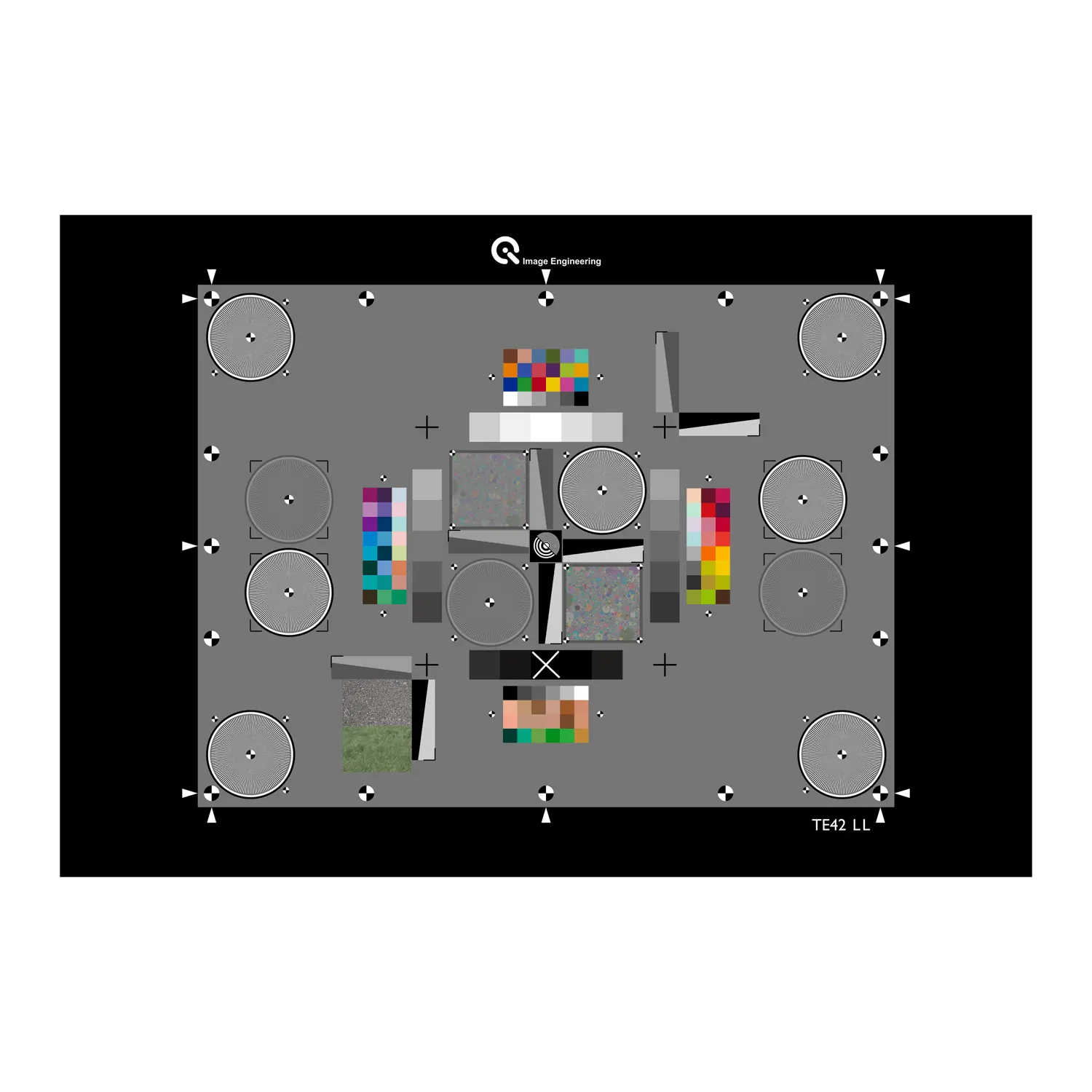
TE42-LL
TE281
iQ-Flatlights
iQ-Analyzer-X
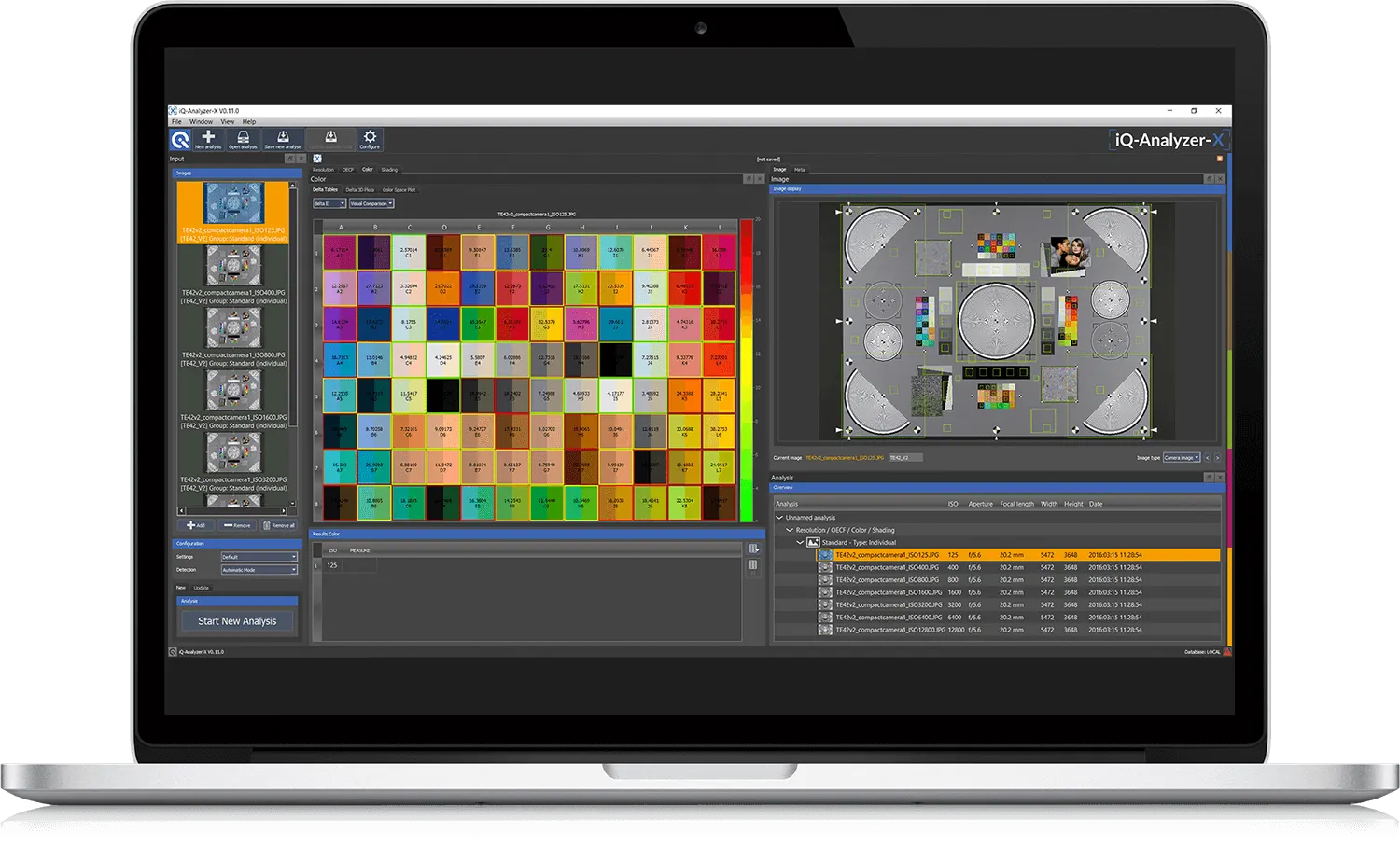
Advanced AI-powered analysis software for evaluating the camera's performance of various image quality factors.
Camera Test Services
Send us your cameras!
We house one of the world's largest independent and objective camera test labs. For over twenty years, we have provided objective camera tests to companies looking to improve the image quality performance of their digital cameras.
Our test lab always adheres to the testing methods established by international standards when applicable. In addition, we are constantly innovating and closely following industry trends to ensure our testing services deliver the most accurate results possible. Our team uses the latest test equipment and software to evaluate the image quality of each camera we receive.
Want to learn more?
Don't hesitate to reach out to our iQ-Lab team to discuss your requirements and our full range of test service options.
Example Test Solutions
Test Setup 1: Multipurpose
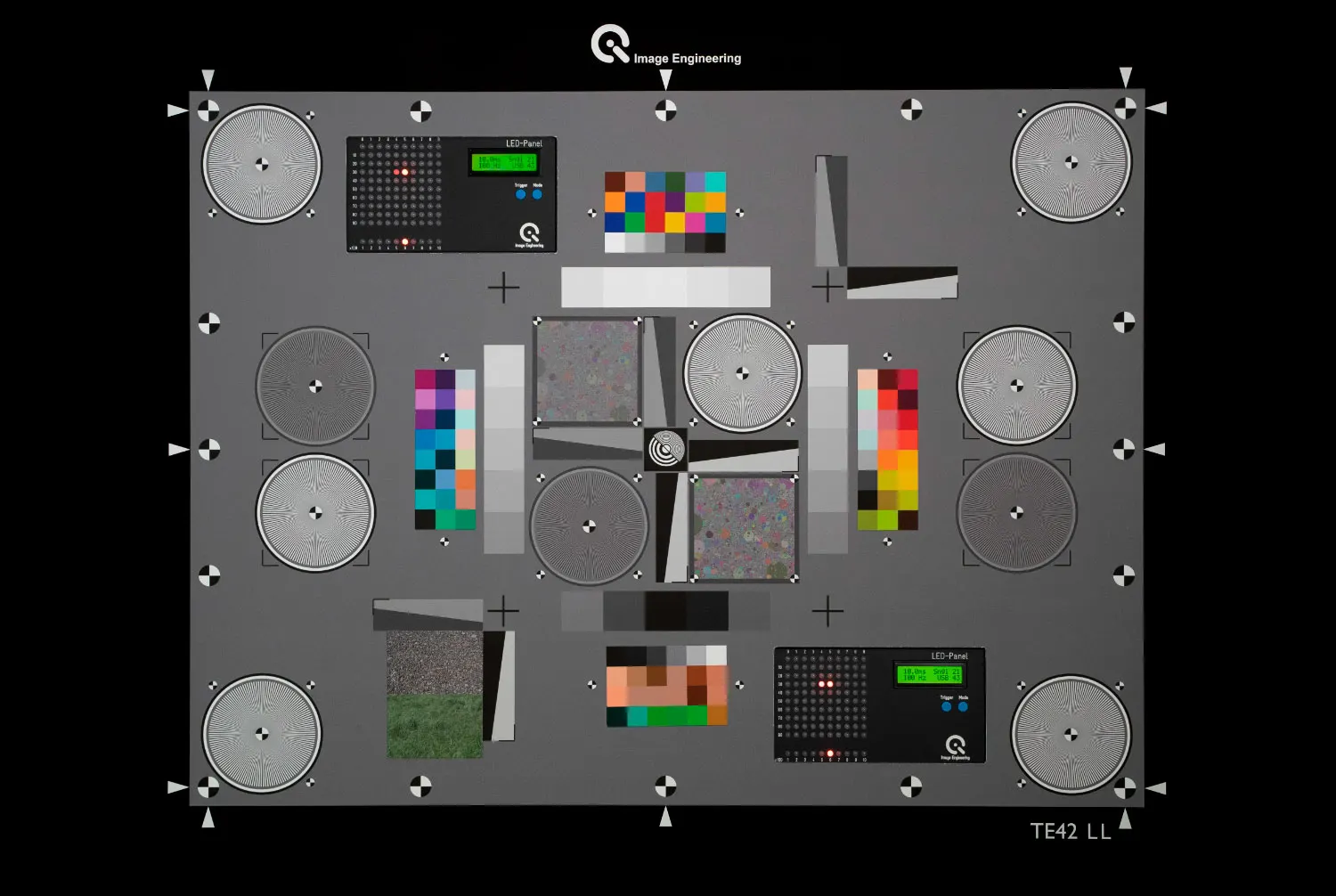
The goal of this test setup is to improve efficiency by analyzing multiple image quality factors, e.g., resolution, texture loss, color accuracy, dynamic range, noise, shading, etc., in one test image.
Ideal equipment:
TE42-LL – Multipurpose Test Chart
iQ-Flatlights – Uniform illumination
iQ-Monopod – Camera Mounting and Alignment
iQ-Chartmount – Chart Mounting and Alignment
iQ-Analyzer-X – Analysis software
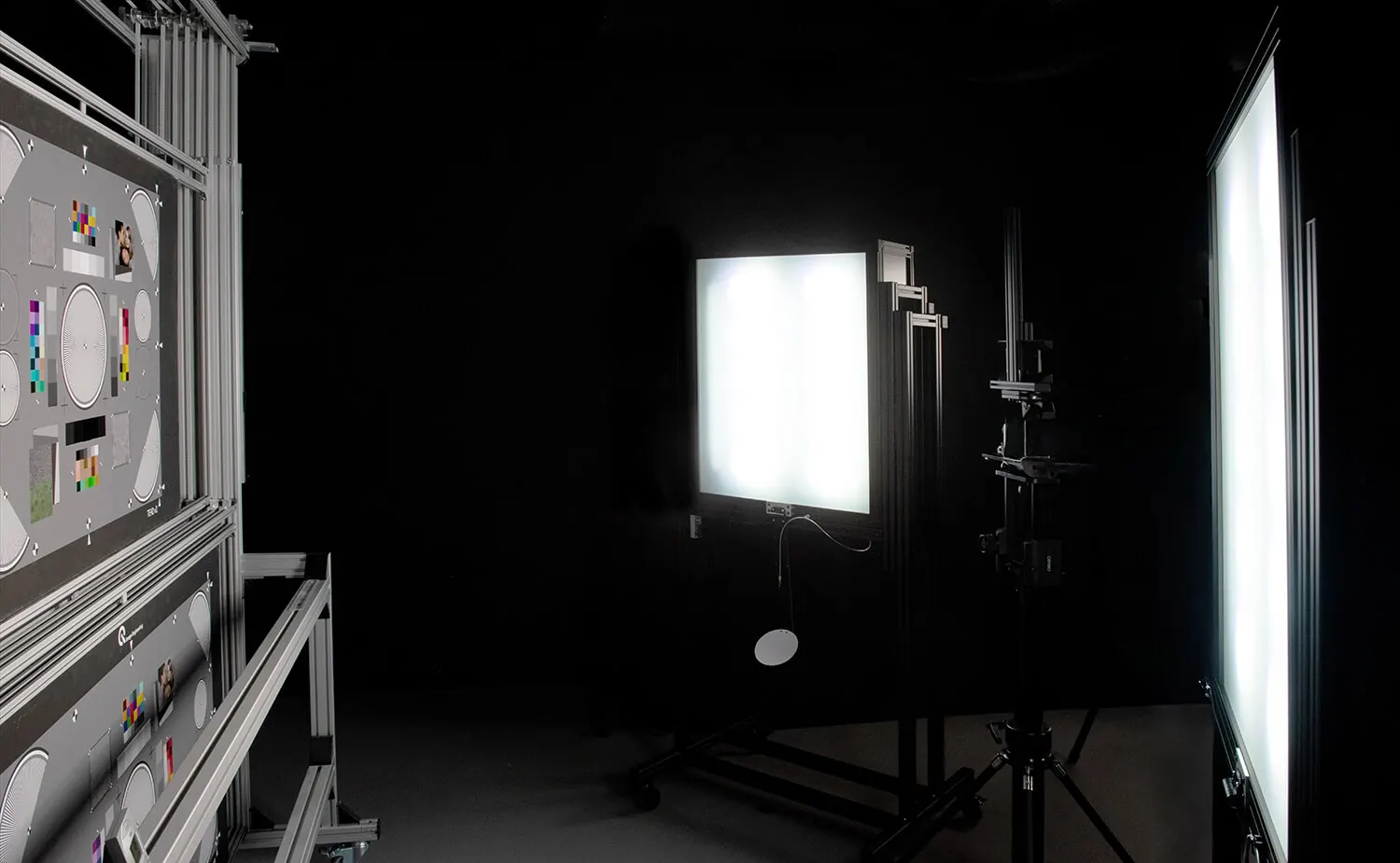
The setup begins with the TE42-LL multipurpose reflective test chart mounted in the iQ-Chartmount. The iQ-Flatlights, powered by iQ-LED technology that allows you to generate custom spectra, are positioned to illuminate the chart uniformly. The iQ-Monopod provides a heavy base for mounting your camera during testing. Finally, the iQ-Analyzer-X is an AI-powered evaluation software that analyzes your test results.
Test Setup 2: Dynamic Range & OECF
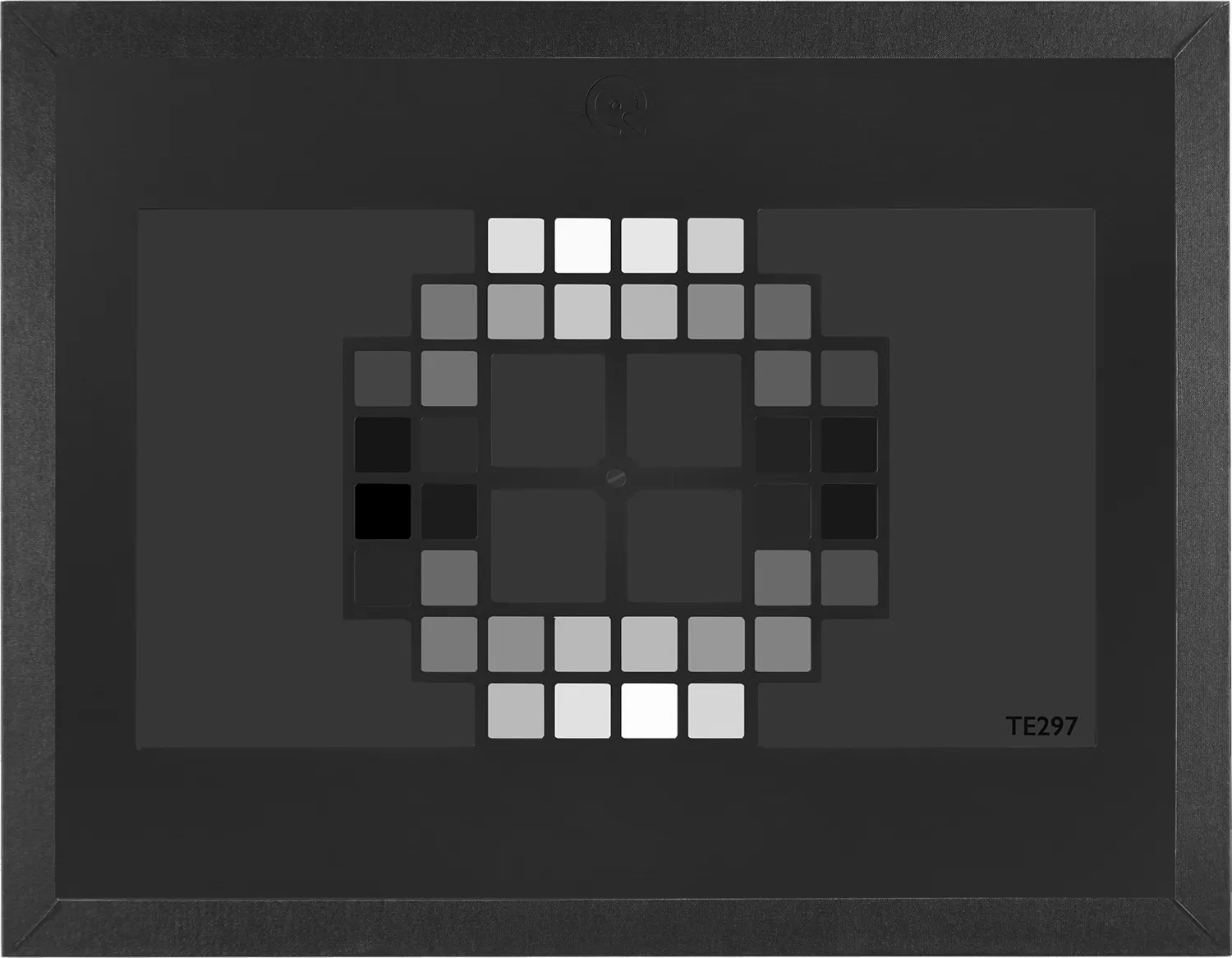
The goal of this test setup is to obtain the OECF (opto-electronic conversion function) efficiently and to evaluate dynamic range and noise performance.
Ideal equipment:
TE297 – Grayscale Test Chart
LE7 Lightbox – Uniform illumination
iQ-Align XL – Camera mounting and alignment
iQ-Analyzer-X – Analysis software
This setup begins by mounting the TE297 test chart in the LE7 lightbox. The TE297 is an advanced test chart for wide-dynamic-range measurements, and the LE7 is our iQ-LED-powered light box for illuminating transparent charts. Mount the camera under test on the iQ-Align XL and align it with the LE7 and test chart. The iQ-Analyzer-X offers an AI-powered evaluation software that analyzes your test results.
Test Setup 3: Lens Performance
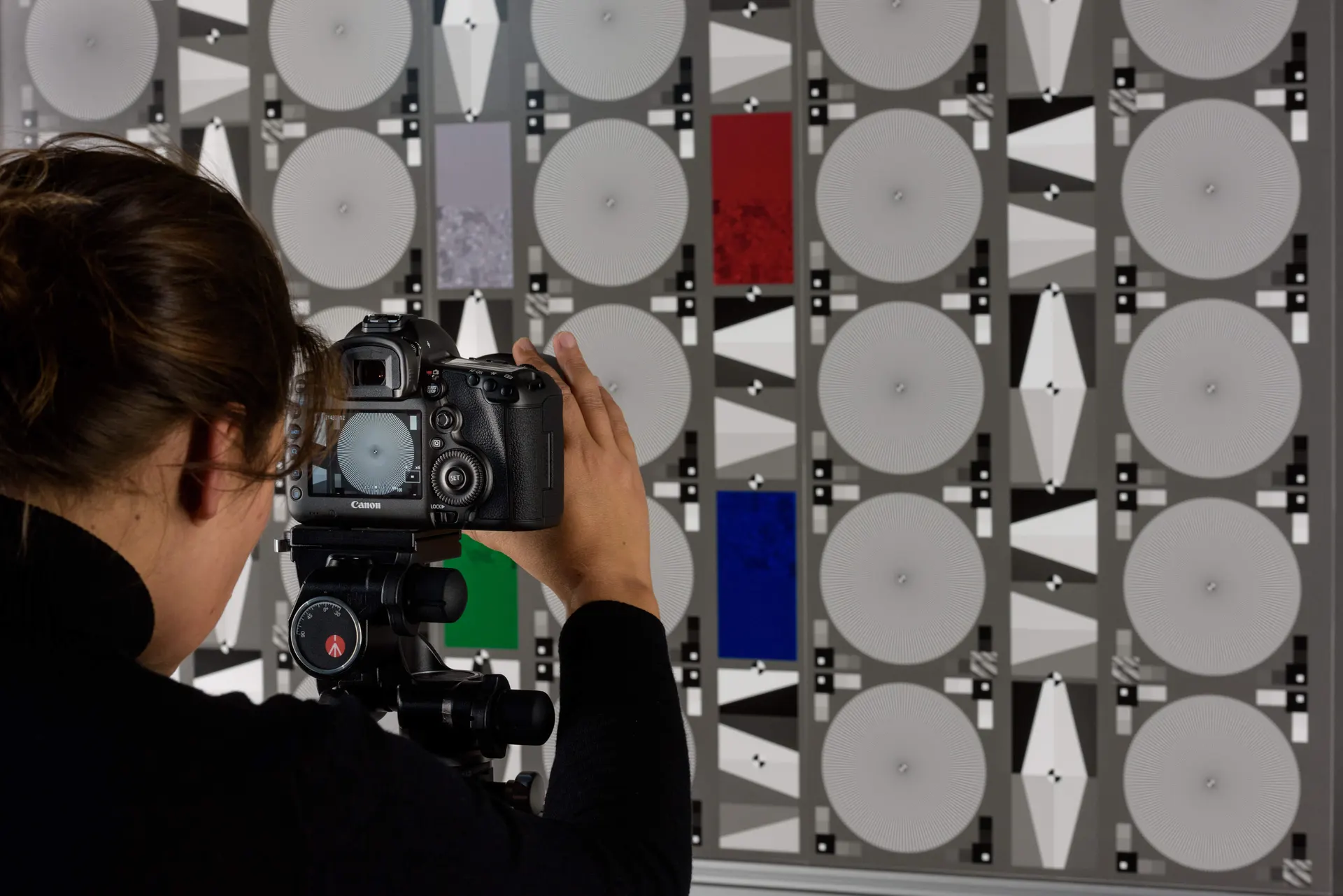
The goal of this test setup is to evaluate the performance of a lens system. Essential image quality factors include distortion, shading, resolution, and texture loss.
Ideal equipment:
TE268 – Resolution and texture loss test chart
TE251 – Distortion measurements
TE255 – Shading measurements
Studio Lights – Reflective test chart illumination
LE7 lightbox – Transparent test chart illumination
iQ-Analyzer-X – Evaluation software
This setup is based on various test charts, such as the TE268 for evaluating a lens's resolution and texture-loss performance, the TE251 for distortion measurements, and the TE255 for analyzing shading/vignetting. The Studio Lights offer a quick and flexible option for uniformly illuminating reflective test charts (TE268 and TE251). At the same time, the LE7 lightbox, powered by iQ-LED technology, is ideal for illuminating transparent test charts (TE255). Finally, iQ-Analyzer-X offers advanced analysis software for analyzing test results.
Test Setup 4: Real-scene testing
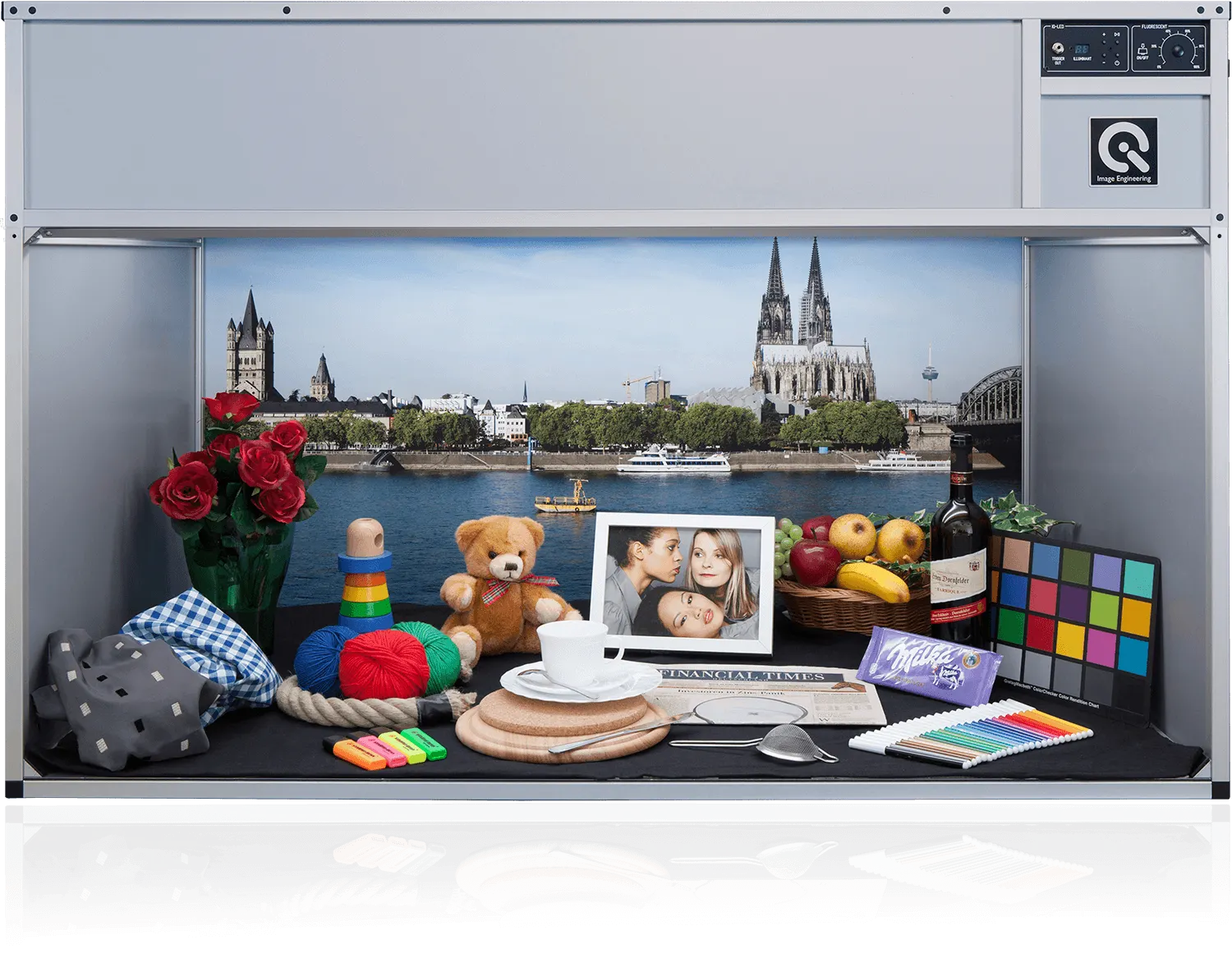
The goal of this test setup is to evaluate your camera's performance with real-life objects to create a realistic scene.
Ideal equipment:
lightSTUDIO – Real-scene testing
This test setup is based on the all-in-one lightSTUDIO. This device lets you set up multiple real objects, all selected for their textures, colors, and materials, to analyze how a camera performs against real objects rather than just 2D test targets. We offer multiple variations of the lightSTUDIO, including the lightSTUDIO-AW, which uses adaptive white technology to replace fluorescent tubes. The lightSTUDIO-L uses iQ-LED technology for generating custom spectra. Finally, we offer the iQ-LED versions with moving targets and/or HDR test targets.