汽车
图像质量
Industry Overview
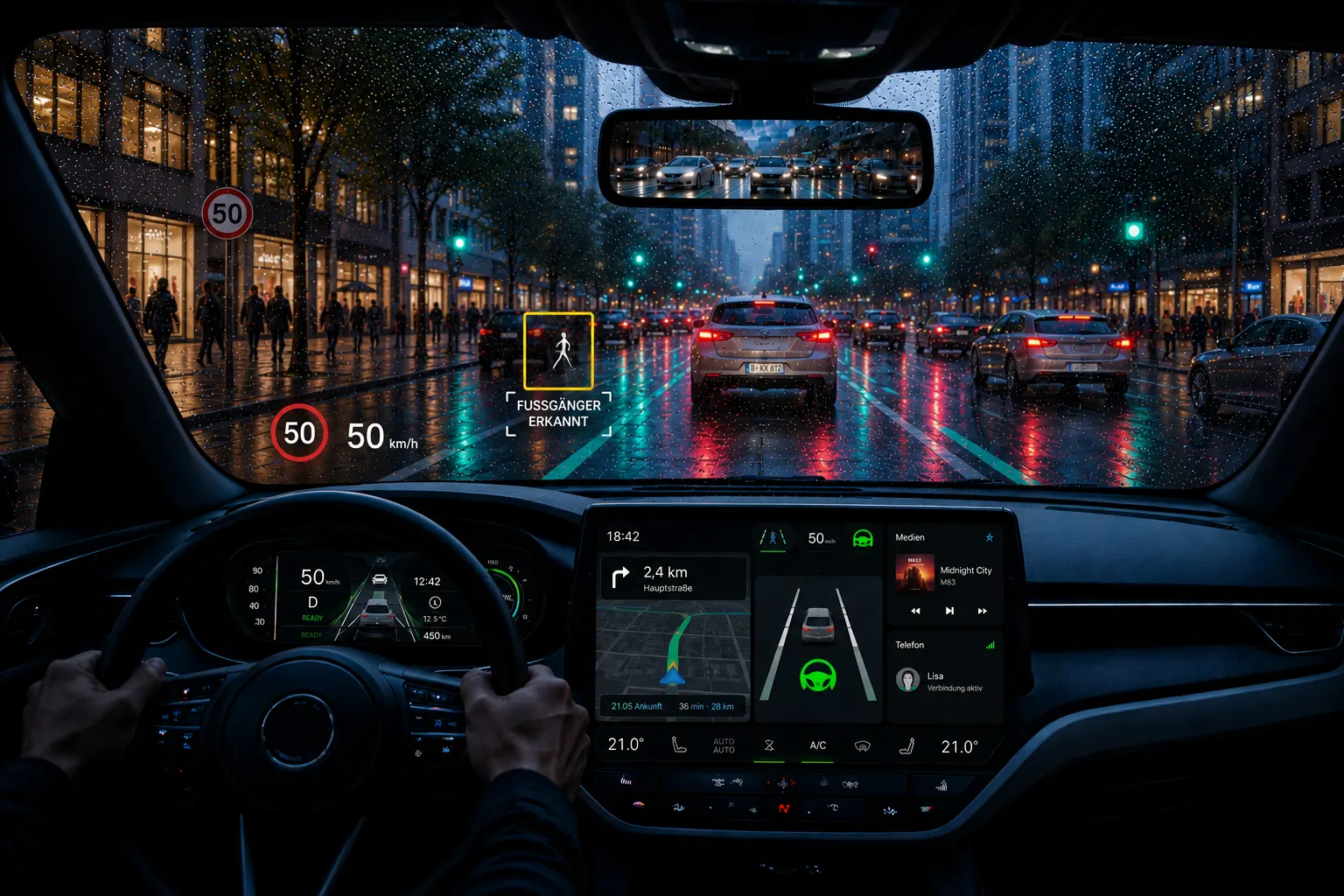
Over the past two decades, an increasing number of cameras have been integrated into automobiles, and today, advanced driver assistance systems (ADAS) have become indispensable in modern cars.
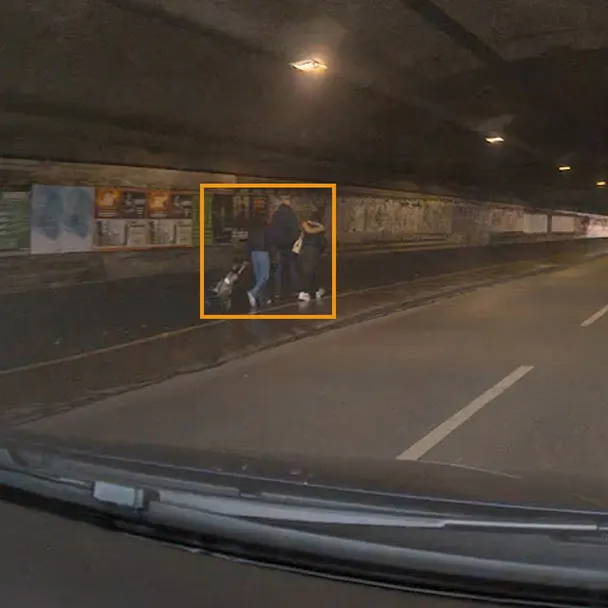
Image quality is the foundation of how automotive cameras and sensor systems "see" the world. Cameras are used to recognize lanes, vehicles, pedestrians, traffic signs, and obstacles, often in situations where decisions must be made in fractions of a second.
When contemplating self-driving vehicles, many people envision a vehicle where one gets in and is transported to the destination, allowing for the use of drive time for other activities, such as work, watching television, or simply sleeping. To make this vision a reality, the vehicle sensor systems must function reliably regardless of time of day, weather, lighting, or road conditions.
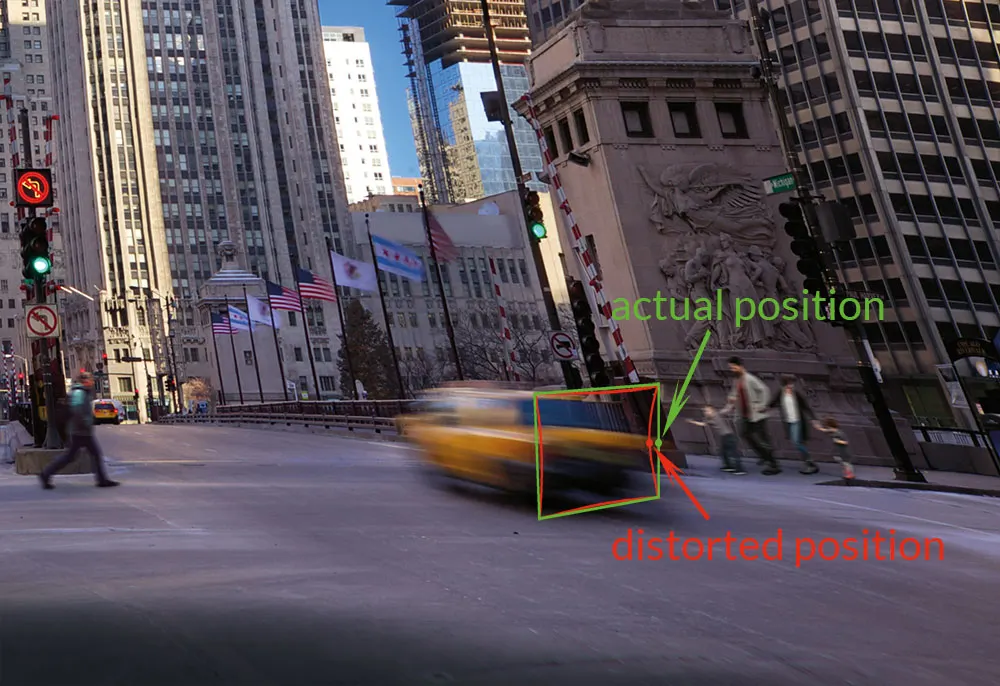
Without properly calibrated and characterized systems, images may become blurry, noisy, poorly exposed, or distorted, and the system may misinterpret what's happening on the road. On top of that, these systems must perform the same at night, in extreme weather conditions such as bright sunlight and heavy fog, and in other complex urban environments with lots of variables.
Doing these performance tests requires advanced tools and solutions. At Image Engineering, we offer solutions that align with industry trends, address testing challenges (e.g., simulating extreme weather), and meet international standards.
In addition, we recently entered into a strategic partnership with Solectrix to offer advanced solutions for various imaging projects, with a particular focus on the automotive sector. The partnership focuses on SXIVE 2.0, a comprehensive image prototyping solution for image processing and analysis, including rapid prototyping, development, and sensor and ISP evaluations. It also provides modular reference platforms, is test-drive-ready, and is suitable for acceptance testing. SXIVE has implemented our iQ-Analyzer-X for advanced image and video quality analysis.
主要应用
汽车摄像头系统应用范围广泛,有助于提升车辆的安全性、舒适性、性能及自动驾驶能力。
IEEE-2020 图像质量标准
车内性能测试
几何相机校准
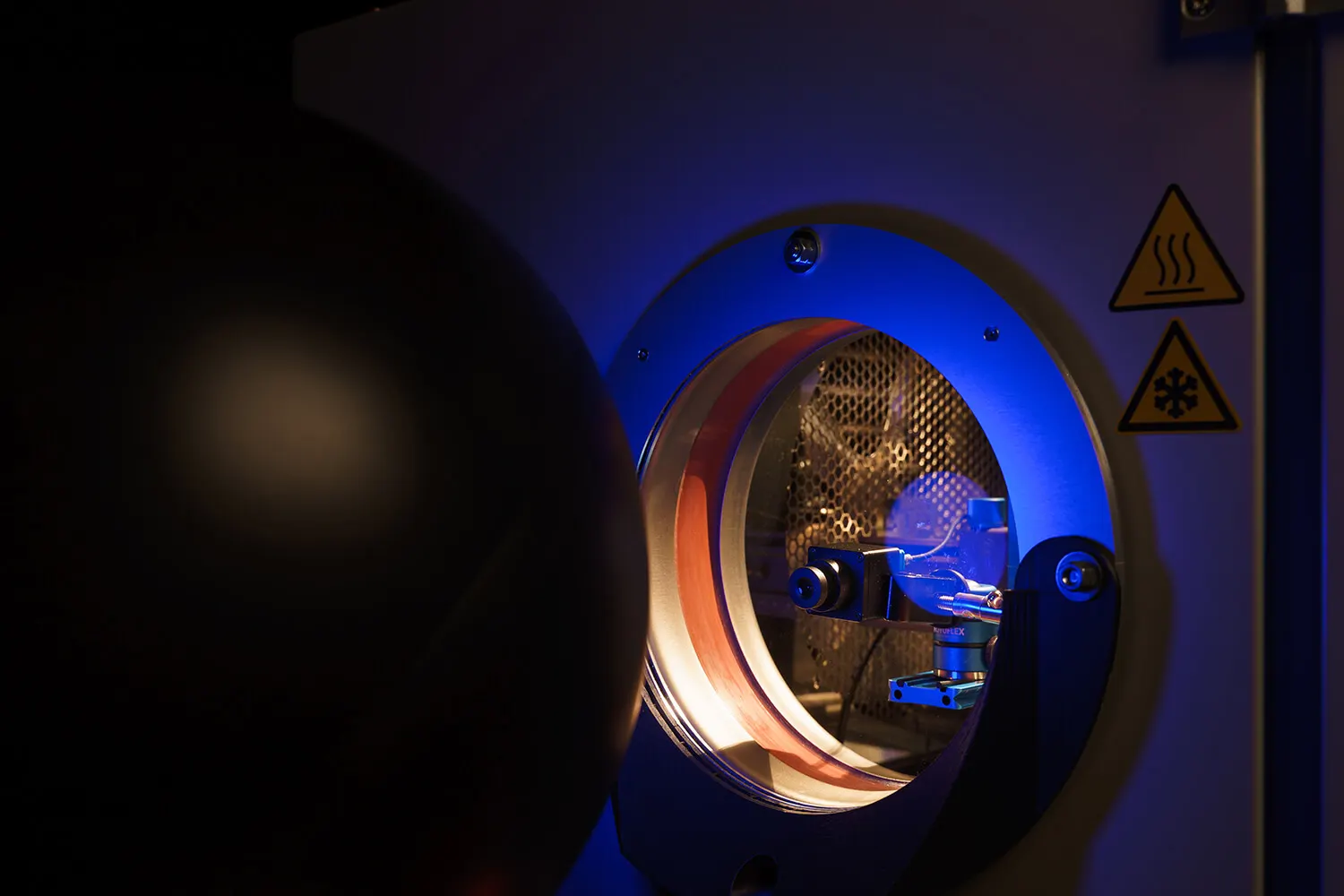
恒温恒湿测试
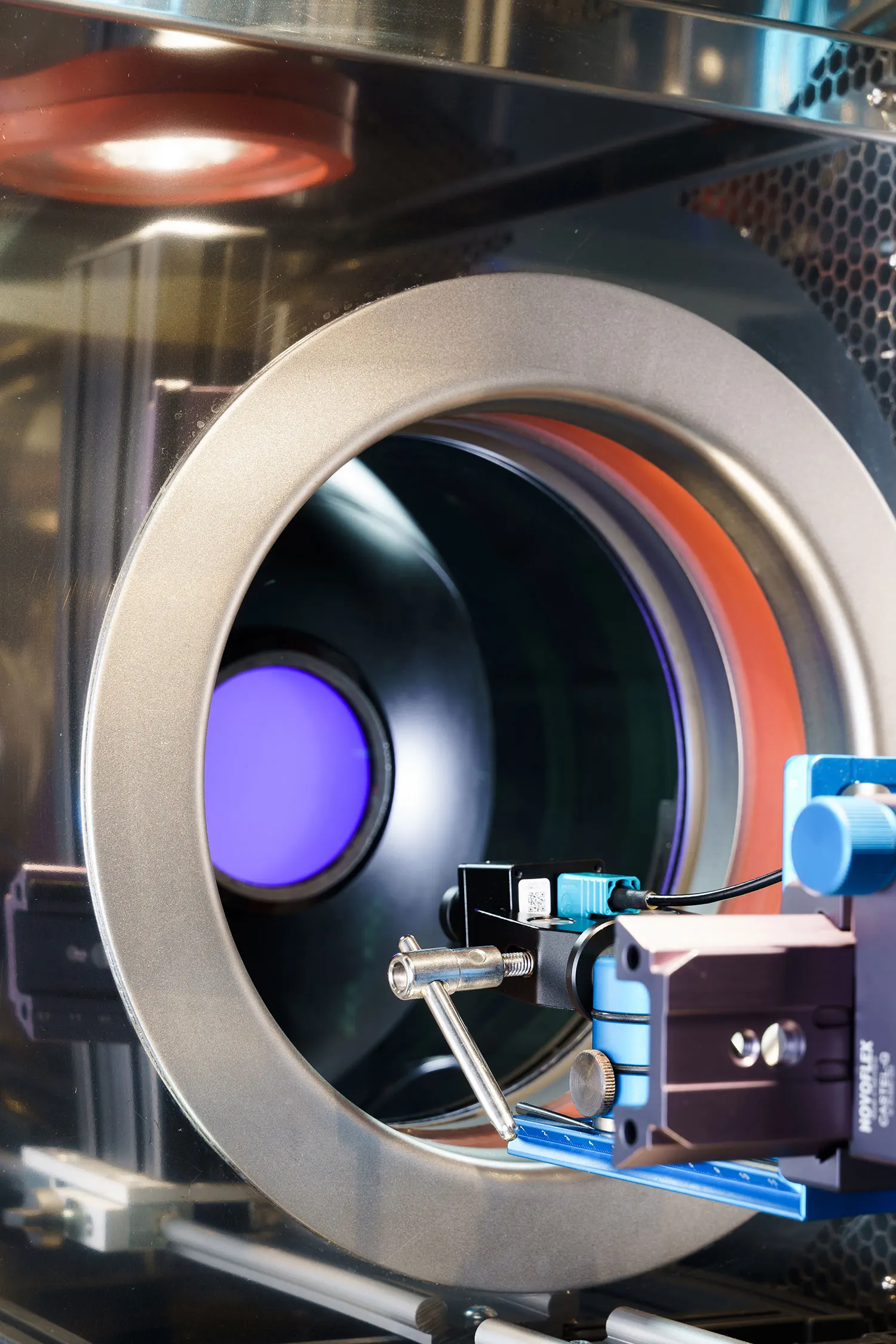
将各种天气场景纳入汽车摄像头测试,对于了解这些系统即使在最恶劣的天气条件下能否仍能达到其性能阈值至关重要。
汽车摄像头图像质量测试服务
让我们为您测试相机吧!
欢迎来到我们的图像质量测试实验室,这是全球规模最大的独立相机测试实验室之一。我们为汽车行业提供广泛的测试服务,包括 camPAS(汽车系统相机性能)测试。
camPAS 测试专为需要中立第三方提供独立、客观测试结果以支持其开发决策的客户而开发。与我们的大多数测试服务一样,camPAS 也可根据您的具体 KPI 要求进行定制。
想了解更多信息吗?
请随时联系我们的 iQ-Lab 团队,探讨您的需求以及我们所有的测试服务选项。
测试解决方案示例
测试方案 1:IEEE-2020
该测试解决方案旨在评估汽车行业ADAS应用中IEEE-2020国际标准所规定的图像质量关键绩效指标(KPI)。 该标准中的KPI包括:对比度指标(CTA和CSNR)、Flicker(调制光缓解概率(MMP))、动态范围、眩光、噪声、空间频率响应(SFR)以及几何校准。
理想设备:
Versatile Light System(VLS)
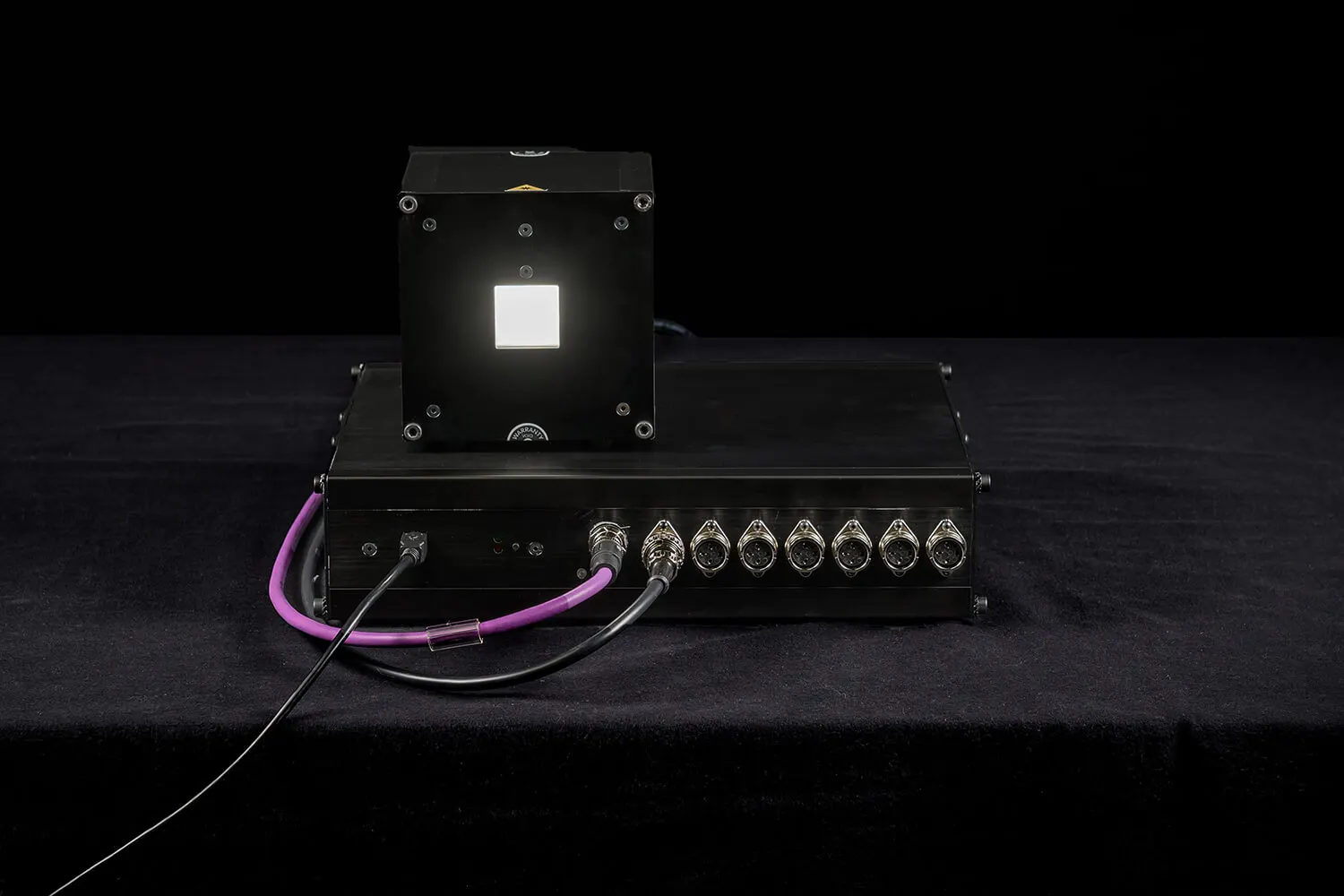
Arcturus – 高强度光源
TE294 和 TE299 Test Charts
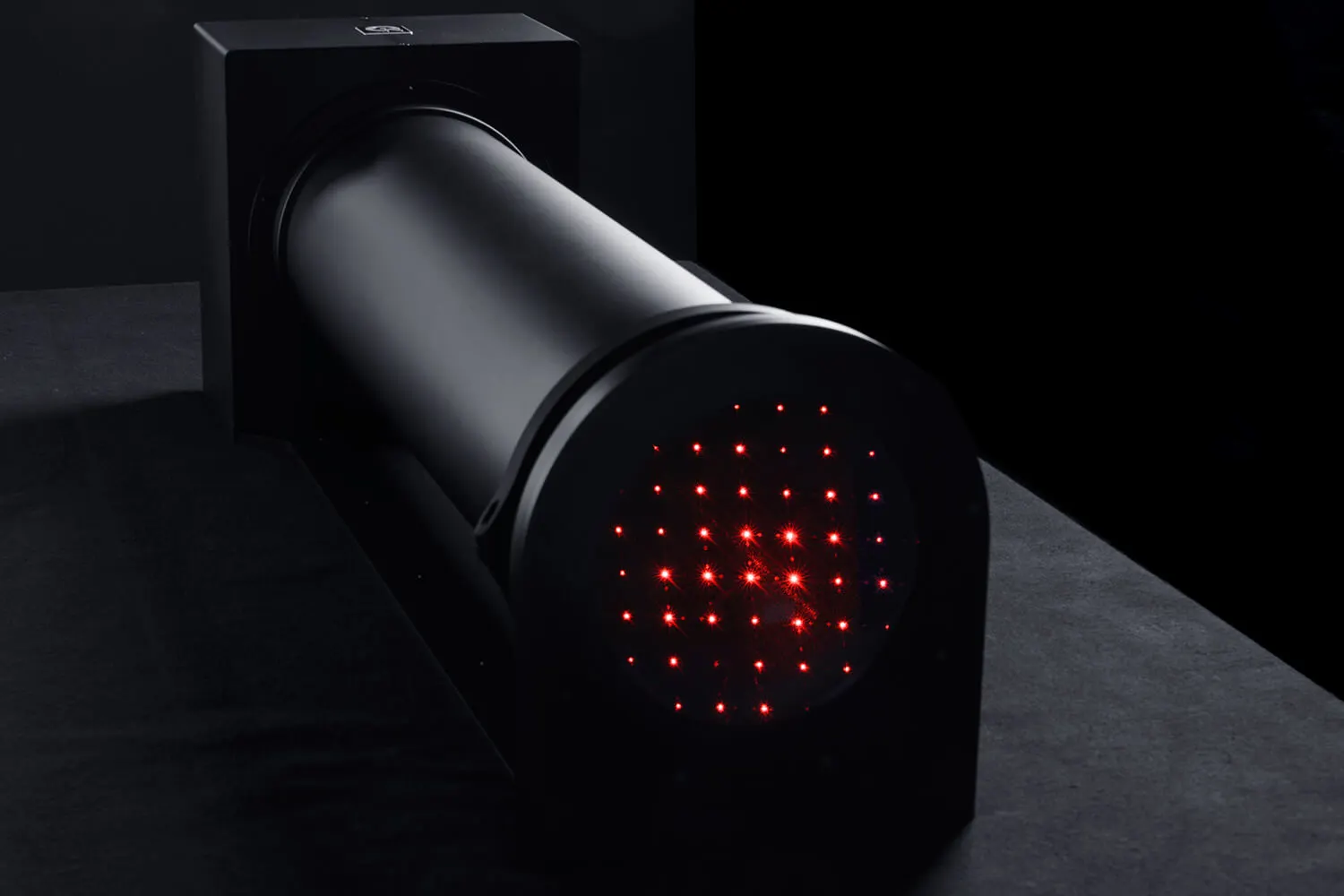
GEOCAL——几何校准
VLS-Evaluation Software
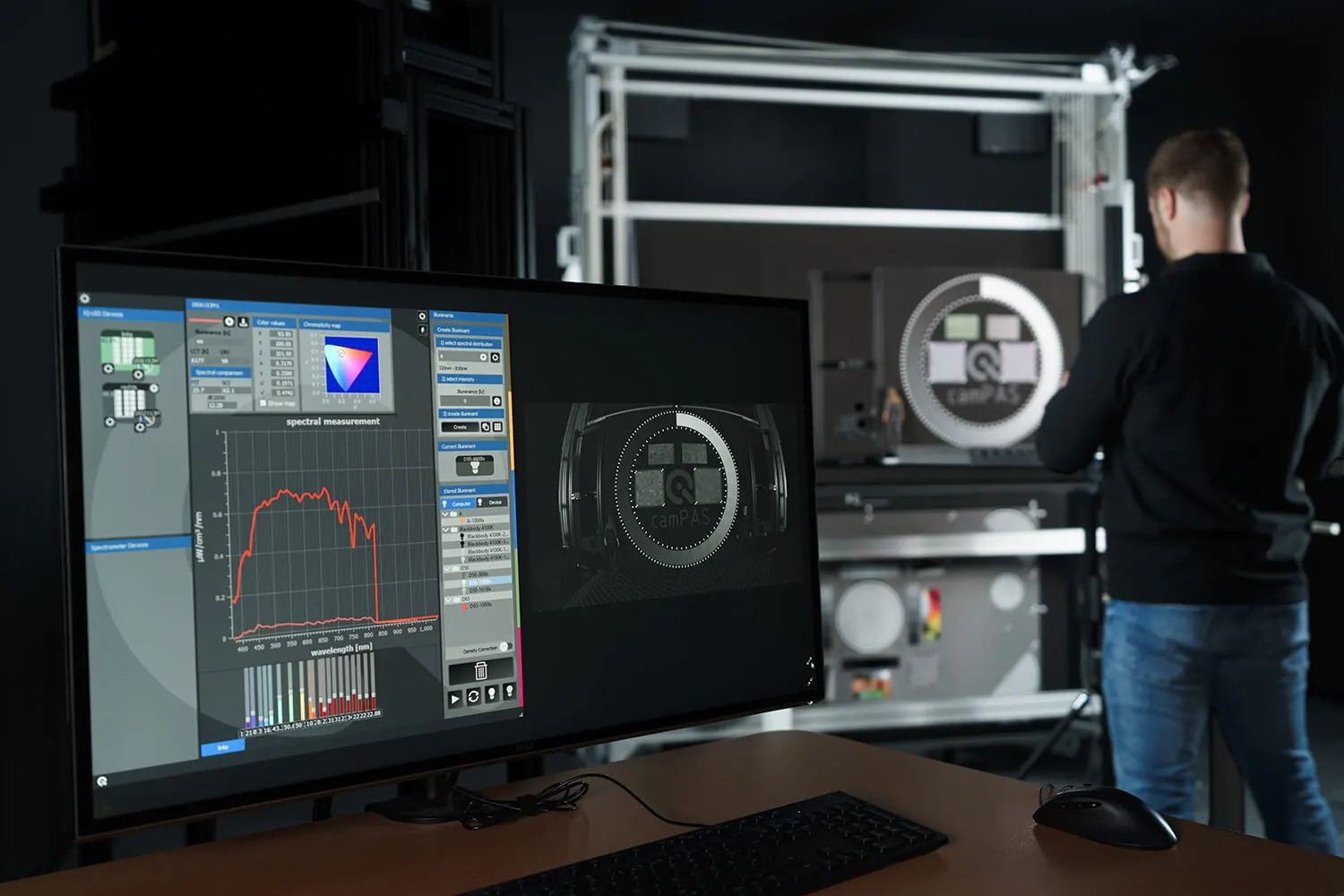
该系统以Versatile Light System(VLS)为核心,包含六个安装在独立支臂上的Vega光源(连接至三脚架),可灵活调整安装角度。 每台Vega均可安装TE294对比度测试图和TE299色彩测试图,用于评估Color accuracy、对比度性能(CTA和CSNR)以及动态范围。此外,Vega还能模拟频闪,以进行频闪响应分析。VLS-Evaluation Software可对测试结果进行分析。
Arcturus 是一款额外的光源,能够产生非常明亮的光(最高可达 1 Mcd/m²),且具有高稳定性和一致性。它非常适合模拟强光场景,例如直射阳光。 最后,GEOCAL 是我们用于相机几何校准的紧凑型设备。它利用一束光束扩展激光和 DOE,生成源自无穷远的光点网格。
测试方案 2:车内测试
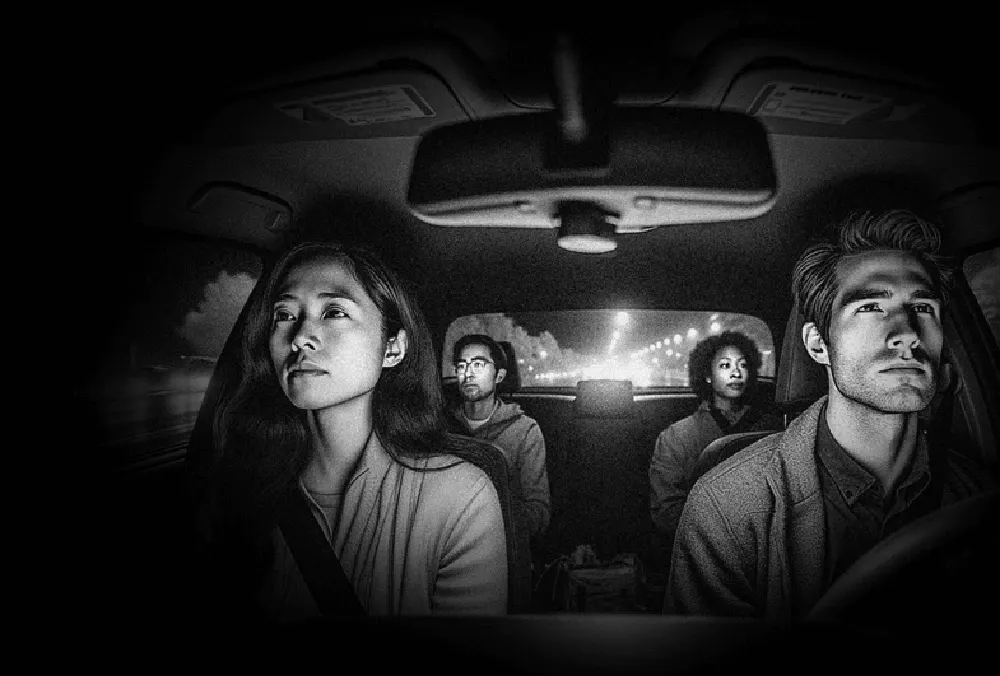
该测试方案旨在测试汽车行业车内摄像系统的性能。评估指标包括Resolution(SFR)、Distortion、动态范围(OECF)、噪声(SNR)、Color accuracy以及摄像机时序精度。
理想设备:
LE7 VIS-IR – 近红外(NIR)波段的均匀Illumination
TE292 – 色彩校准Test Chart
TE269 – 灰度 Test Chart
LED-Panel IR – NIR波段的时序测量
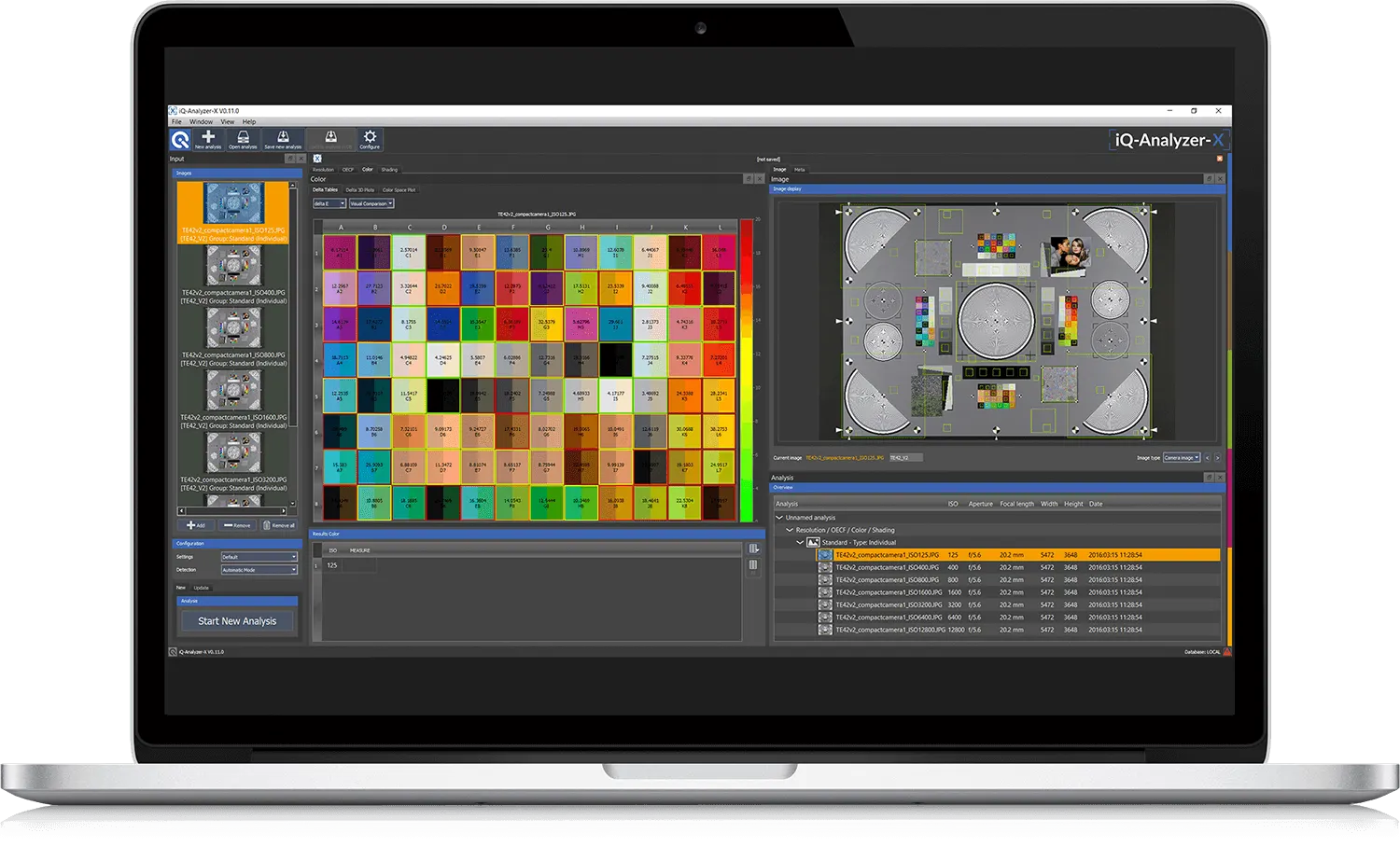
iQ-Analyzer-X – 分析软件
该测试系统围绕近红外(NIR)设备构建,因为车内摄像头主要采用近红外传感器结合主动 Illumination(例如 LED 或 VCSEL),以确保在极低光照条件下保持准确性,同时不会干扰驾驶员和乘客。 LE7 VIS-IR 光源箱可安装各种透明*Test Charts,并能利用 iQ-LED 技术产生 NIR Illumination。LED-Panel IR 非常适合测量 NIR 波段的时序参数。最后,iQ-Analyzer-X 可对来自各种 Test Charts 的测试结果进行评估。
*我们可以提供定制化解决方案,例如用于NIR波段反射式测试图表Illumination的iQ-Flatlight VIS-IR。请联系我们的销售团队。