
Understanding Image Quality

    Understanding Image Quality

    Discover the key aspects of image quality.

    Image Quality Explained

    How camera systems are measured

    Image quality describes how well a digital camera system performs when reproducing an object or scene. Various characteristics of the camera body (sensor and firmware) and lens contribute different elements to the overall quality of an image.

    Image quality, while often thought of as subjective, is also possible to asses using objective measures. These measures are the basis for objective lab testing as well as the development of internationally recognized standards. Objectively testing a camera system requires a proper test lab setup with verifiable test targets as well as control over the environment such as illumination and temperature. When properly analyzed, these image quality elements can indicate where the performance of a digital camera system can be improved.

    For detailed information on a the most important image quality factors or recommended equipment and software to use to properly test and analyze each of them, choose the respective factor from the list.

    Image Quality Factors

    Chromatic Aberration

    Chromatic Aberration

    Chromatic aberration occurs when different wavelengths of light are focused at different points instead of at a single focal point.
    Color Accuracy

    Color Accuracy

    Color is a key image quality factor because accurate color reproduction determines how a scene is perceived.
    Contrast Signal-to-Noise Ratio (CSNR)
    Contrast Signal-to-Noise Ratio (CSNR)

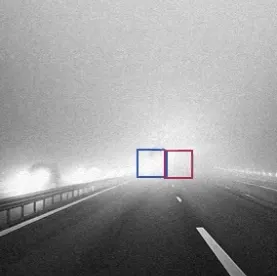
    CSNR describes how well the camera reproduces and separates various objects in a scene under varying conditions.
    Contrast Transfer Accuracy (CTA)

    Contrast Transfer Accuracy (CTA)

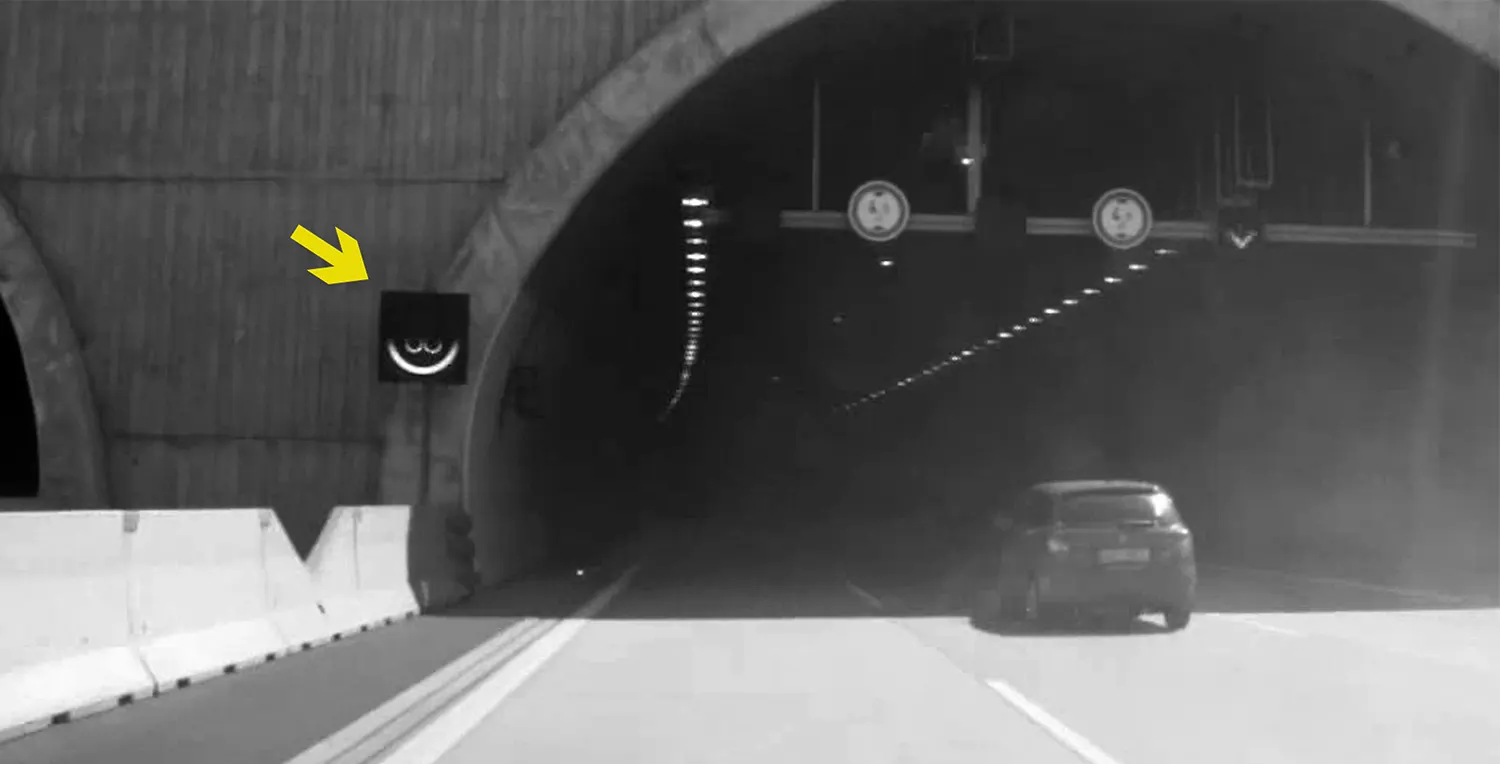
    CTA describes how reliably a camera system detects and reproduces object contrast, ensuring precise recognition of critical details for high performance and safety.
    Distortion

    Distortion

    Distortion is an image quality factor that causes straight lines in a scene to appear curved or warped, reducing the geometric accuracy of the image.
    Dynamic Range

    Dynamic Range

    Dynamic range is an image quality factor that defines a camera’s ability to capture detail in both bright highlights and dark shadows within the same scene.
    Flare

    Flare

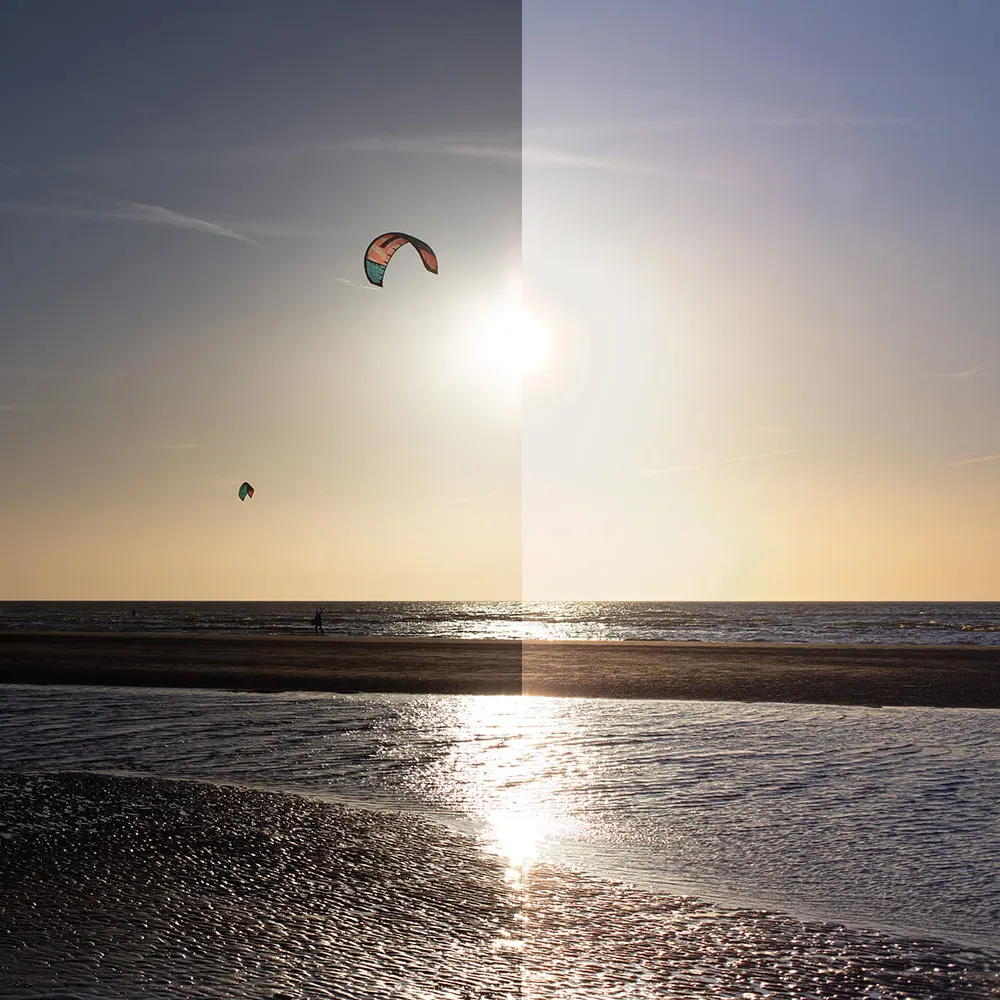
    Flare is an image quality factor caused by unwanted light scattering inside a lens, which reduces contrast and can introduce visible artifacts in an image.
    Flicker  (MMP)

    Flicker (MMP)

    Flicker is an image quality issue caused by fluctuations in light intensity over time, resulting in visible brightness variations or banding in an image or video.
    Image Stabilization

    Image Stabilization

    Image stabilization is an image quality feature that reduces blur caused by camera motion, helping produce sharper and clearer images.
    Low-Light

    Low-Light

    Low-light performance describes a camera’s ability to capture clear, detailed images with minimal noise in dark or poorly illuminated environments.
    Image noise comparison before and after

    Noise

    Noise is an image quality issue that appears as random grain or color variations in an image, reducing clarity and fine detail.

    Resolution

    Resolution

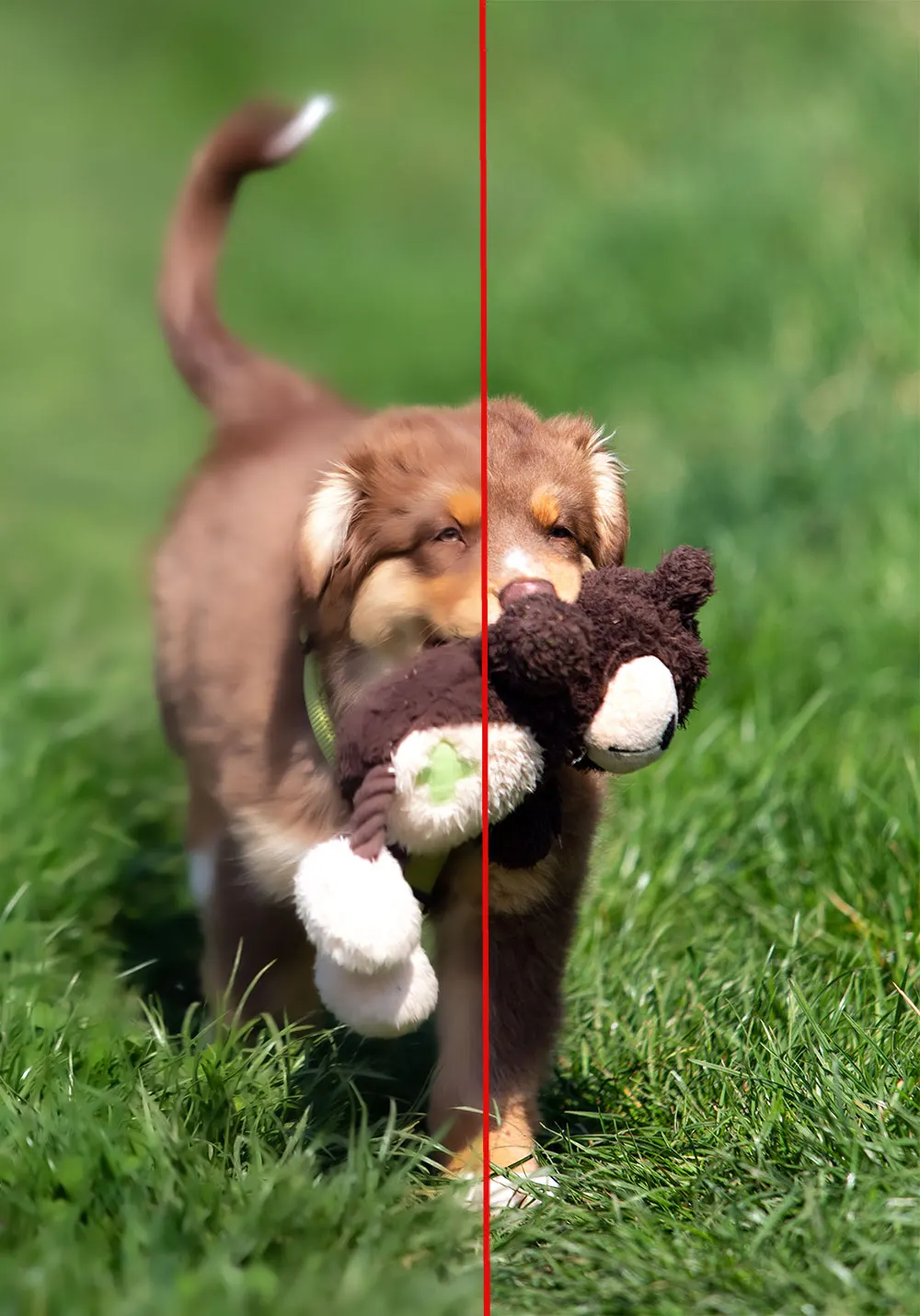
    Resolution is an image quality factor that determines how much fine detail a camera system can capture and reproduce in an image.
    Shading

    Shading

    Shading is an image quality issue where brightness or color gradually changes across the image, often causing darker corners or uneven illumination.
    Texture Loss

    Texture Loss

    Texture loss is an image quality issue where fine details and natural surface patterns are smoothed out or lost, reducing the realism and detail of the image.

    Timing

    Timing

    Timing in image quality, including shutter delay, refers to a camera’s ability to capture images at the exact intended moment, minimizing missed or mistimed shots.

    White Balance

    White Balance

    White balance is an image quality factor that ensures colors are rendered accurately under different lighting conditions, keeping whites neutral and overall color tones natural.