
Testing Image Quality
Image quality factors are central to camera performance testing. Each factor represents a metric that developers use to assess the quality of their imaging systems. Our iQ-Lab uses these factors to guide our camera and sensor testing. Almost all factors are defined by corresponding international standards that describe test methods and laboratory setups for best evaluating a camera system's performance for each factor.
When applicable, we always follow international standards when testing camera systems in our test lab.
Every camera system is different, so not all factors need to be tested for each system. When you order a camera test or calibration through the iQ-Lab, you can provide your specifications, and we will recommend the most relevant combination of factors for your needs.
The following list contains many of the factors that we currently offer tests for:
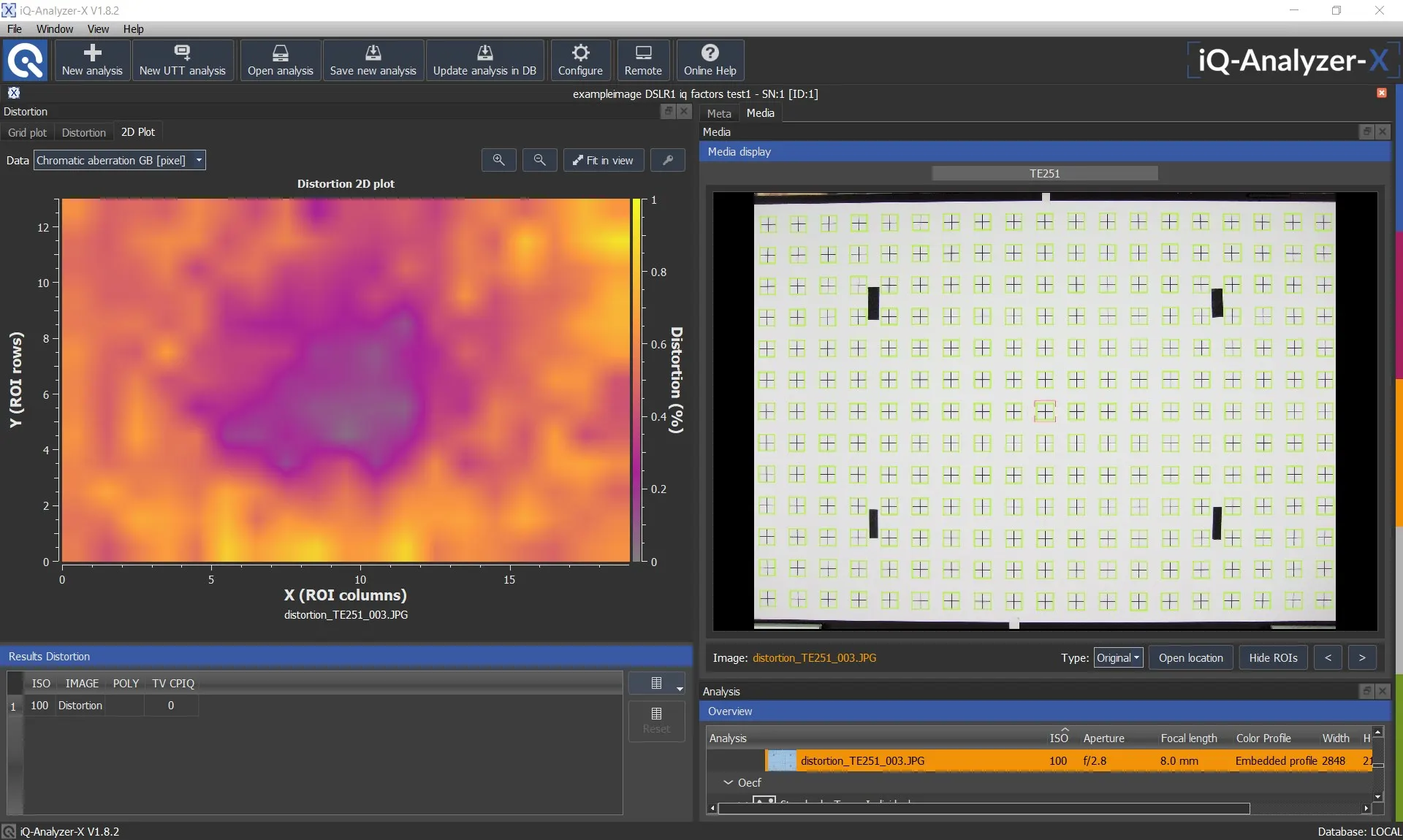
Chromatic Aberration
We use various methods to test the effects of chromatic aberration on camera image quality.
Chromatic aberration is caused by the dispersion of light from a prism (e.g., a camera lens). If light rays disperse and don't converge to a single point, color fringes may appear along the borders of an image. This effect is chromatic aberration, which leads to unwanted color fringing and poor image quality. Our test lab evaluates chromatic aberration in a camera system using the methods outlined in ISO 19084.
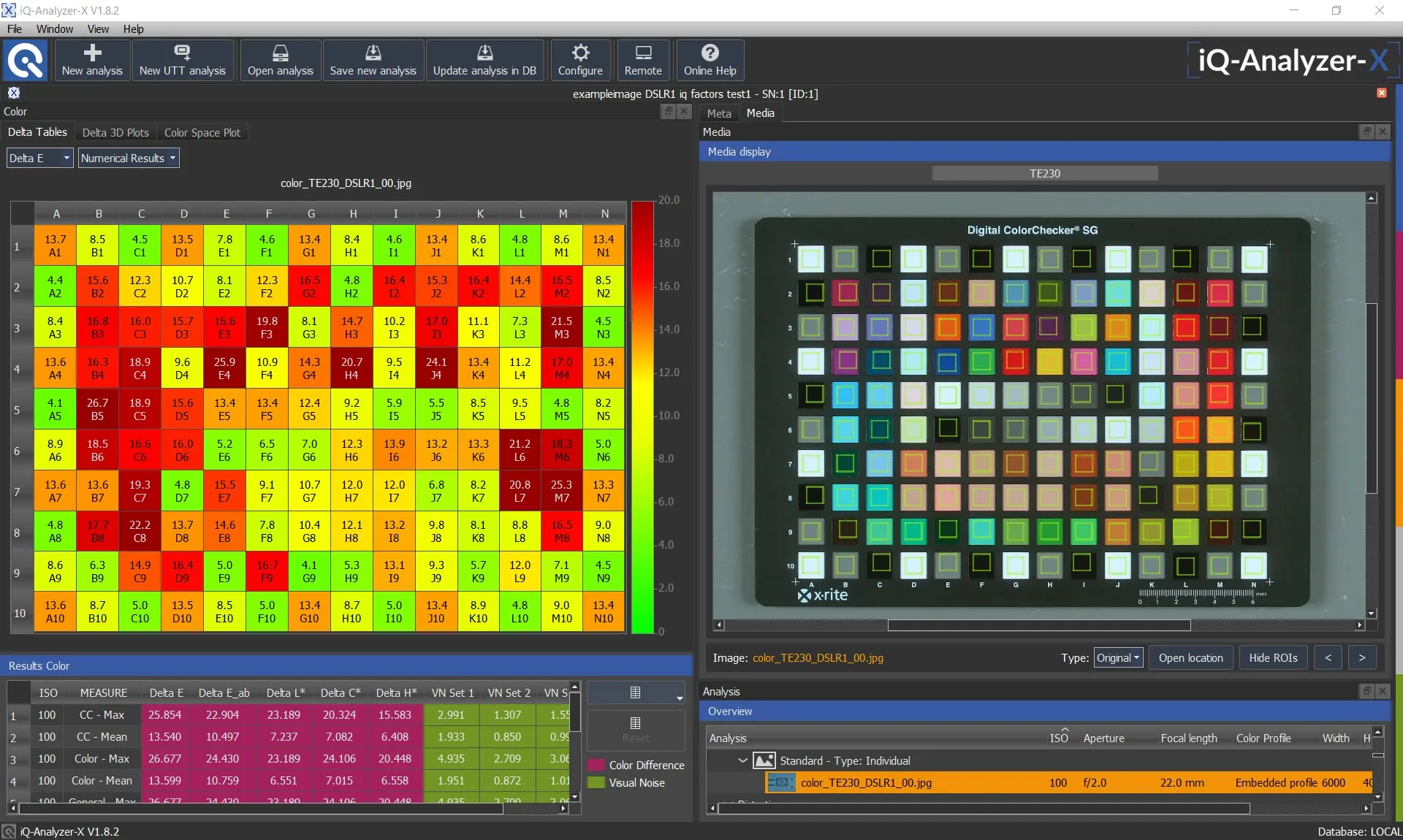
Color Accuracy
We use established testing methods to evaluate a camera's color accuracy.
Color reproduction or accuracy determines how well a camera module converts sensor raw data into the correct color space to faithfully reproduce the scene. Color characterization and calibration performance are essential steps in evaluating a camera system's overall image quality. The iQ-Lab closely follows the test methods in ISO 17321-1 for color reproduction.
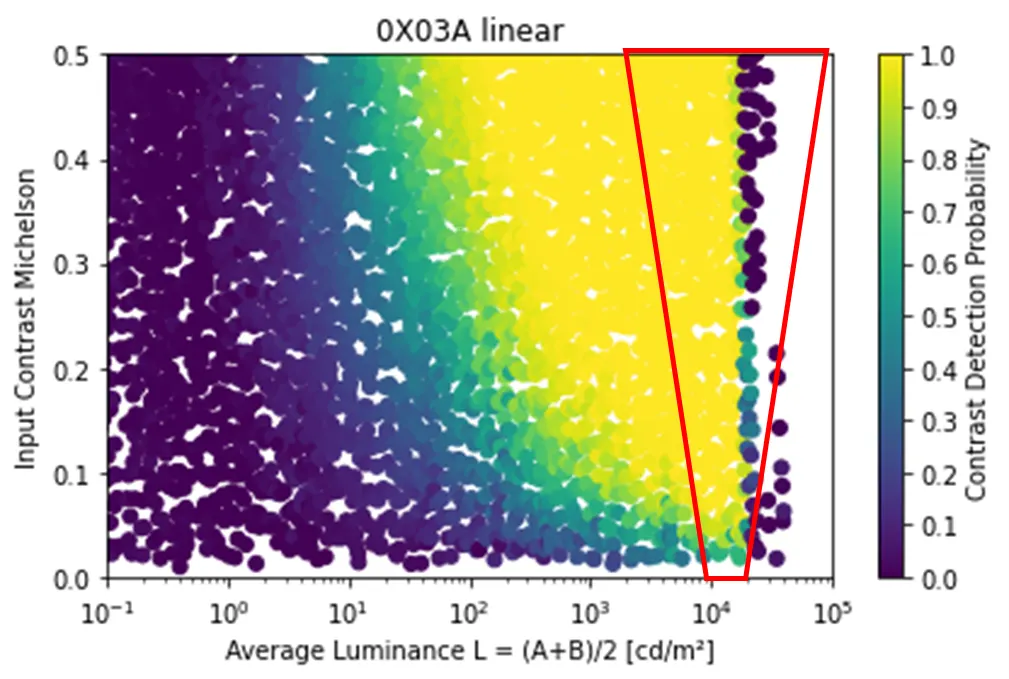
Contrast Transfer Accuracy
The iQ-Lab is a leader in evaluating the CTA performance of automotive camera systems.
Contrast transfer accuracy (CTA, formerly contrast detection probability [CDP]) measures a camera system's ability to accurately capture and transfer an object's contrast within its field of view. This factor is particularly crucial when evaluating the performance and safety of advanced driver assistance systems (ADAS) under the IEEE-2020 standard.
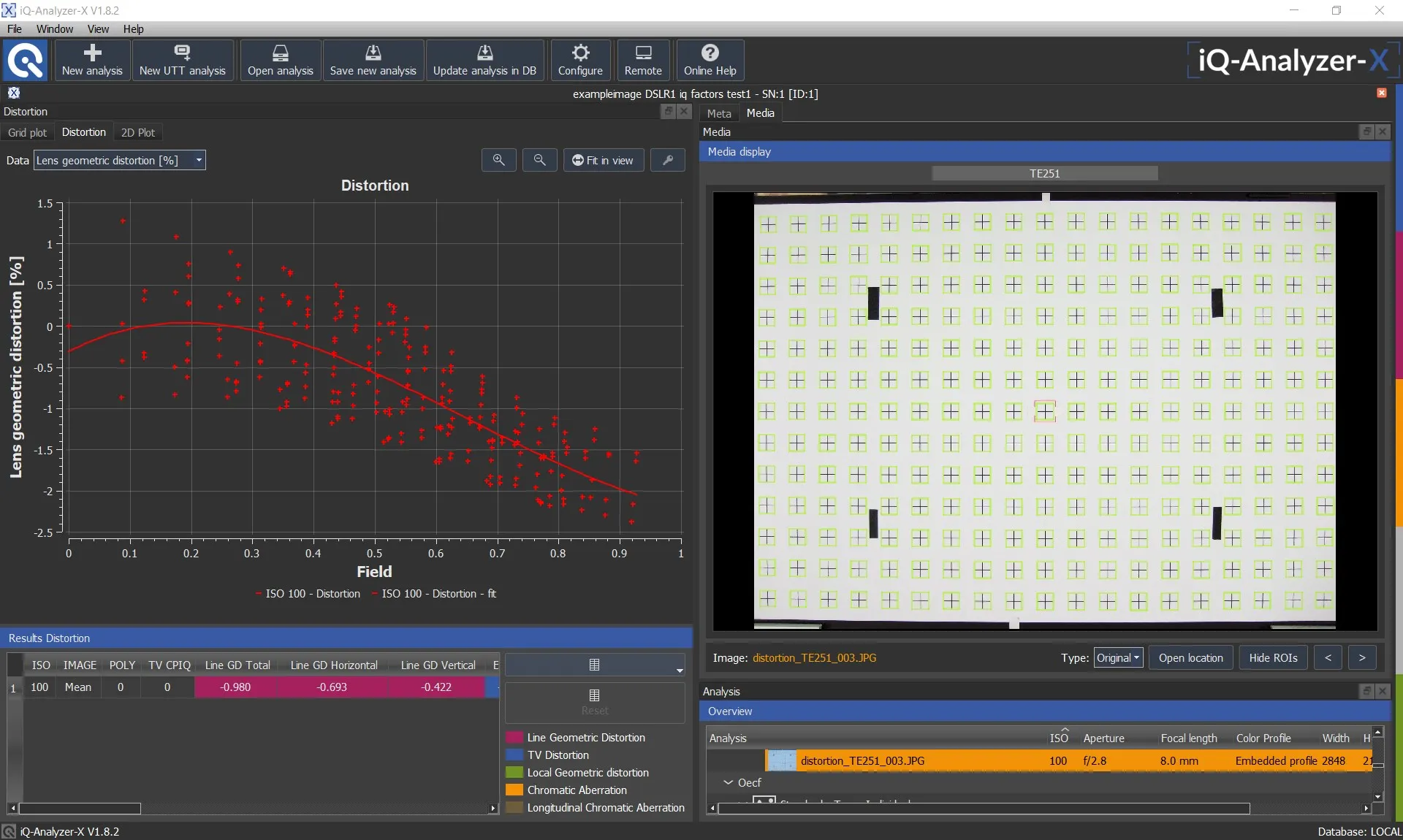
(Image) Distortion
Our iQ-Lab implements advanced testing methods when analyzing camera distortion.
Image distortion from aberrations near the edges of an image can make it appear deformed or curved unnaturally. There are three types of lens distortion: barrel, pincushion, and waveform, all of which can significantly affect image quality. We use the test methods described in ISO 17850 when testing image distortion in our iQ-Lab.
Dynamic Range, Grayscale, OECF
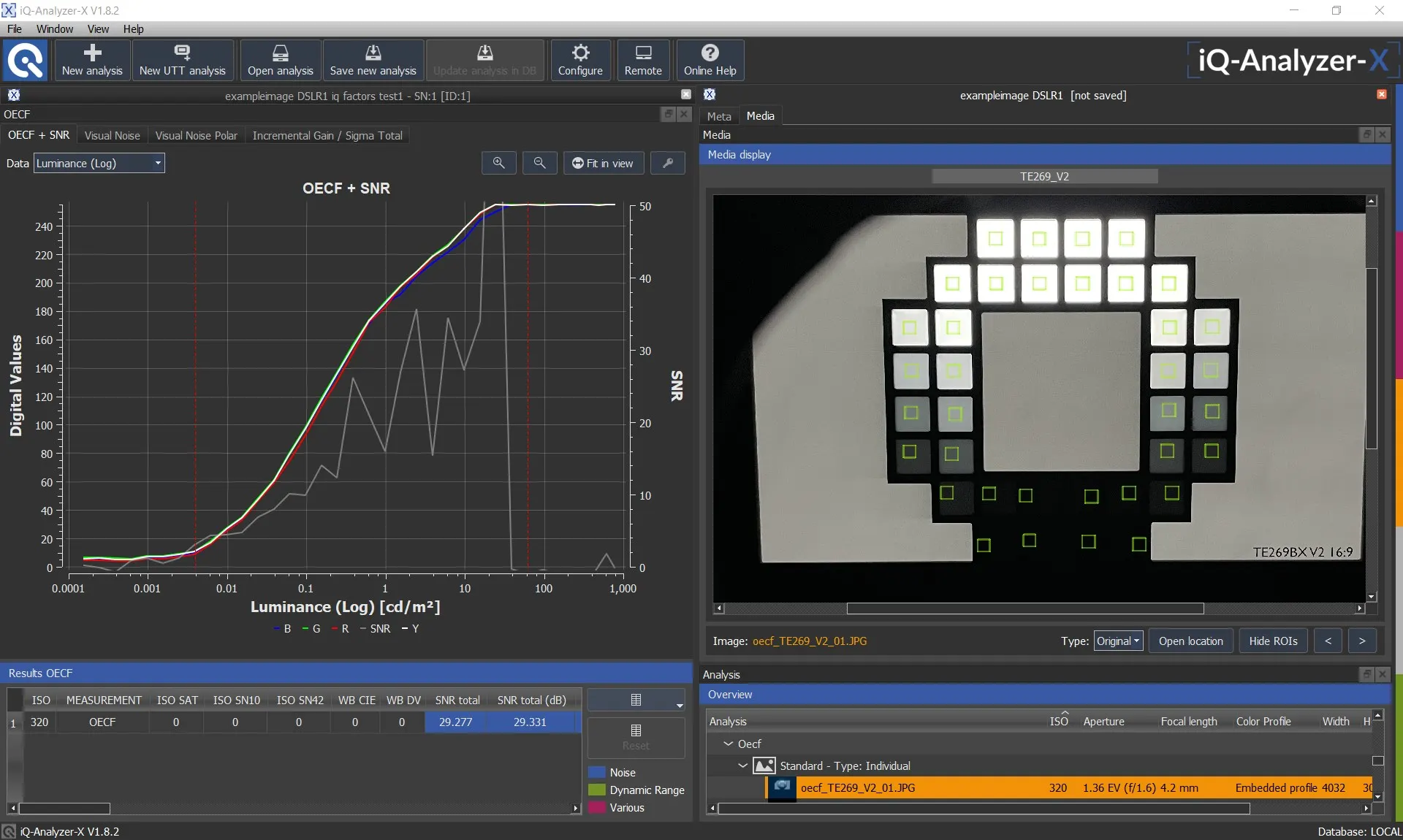
We use various methods to analyze a camera system's dynamic range performance.
Dynamic range is the ratio of the camera system's minimum to maximum light intensity and the extent to which it can reproduce these extremes. Typically, the dynamic range performance of a camera system is determined by obtaining the OECF through grayscale targets. We evaluate dynamic range using the methods described in ISO 14524.
(Image) Flare
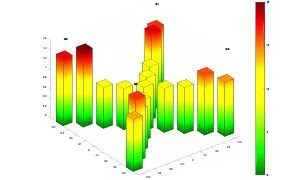
We use proven testing techniques to measure flare in our test lab.
Image flare refers to unwanted light in an image that did not originate from the related object in the scene. There are many variables that can cause flare, including natural causes (e.g., haze or dust in the air) and camera hardware issues (e.g., lens light leakage). In the iQ-Lab, we closely follow the methods from ISO 18844 when testing image flare.
(Light) Flicker
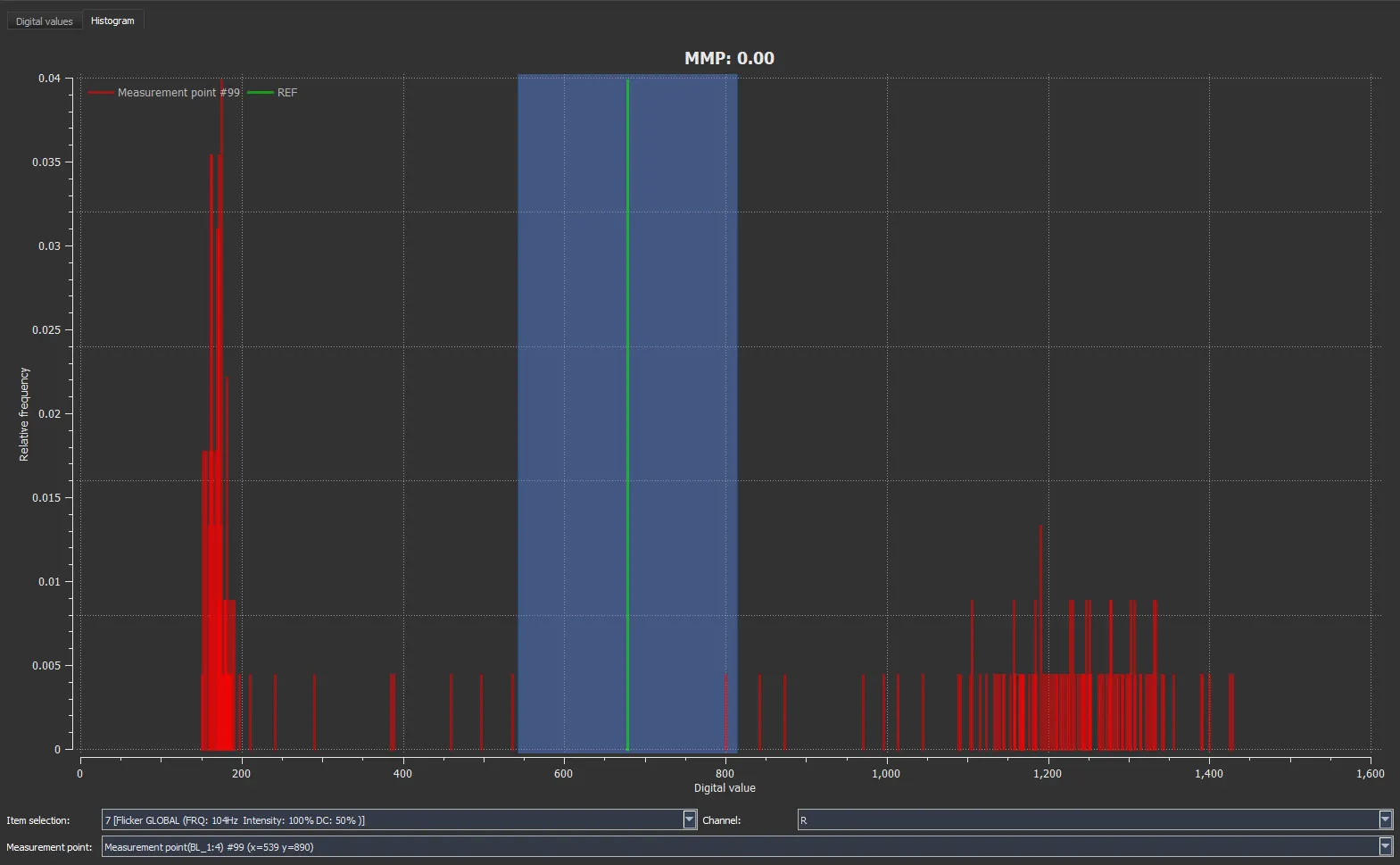
Our iQ-Lab uses the latest advancements to test a camera's flicker performance.
Light flicker is a challenging yet vital image-quality factor in performance testing. Flicker is defined as the modulated light mitigation probability (MMP) in the IEEE-2020 standard for the image quality performance of automotive applications. We closely follow the methods outlined in IEEE-2020 when testing automotive cameras for MMP, and we can also test cameras from other industries for flicker response.
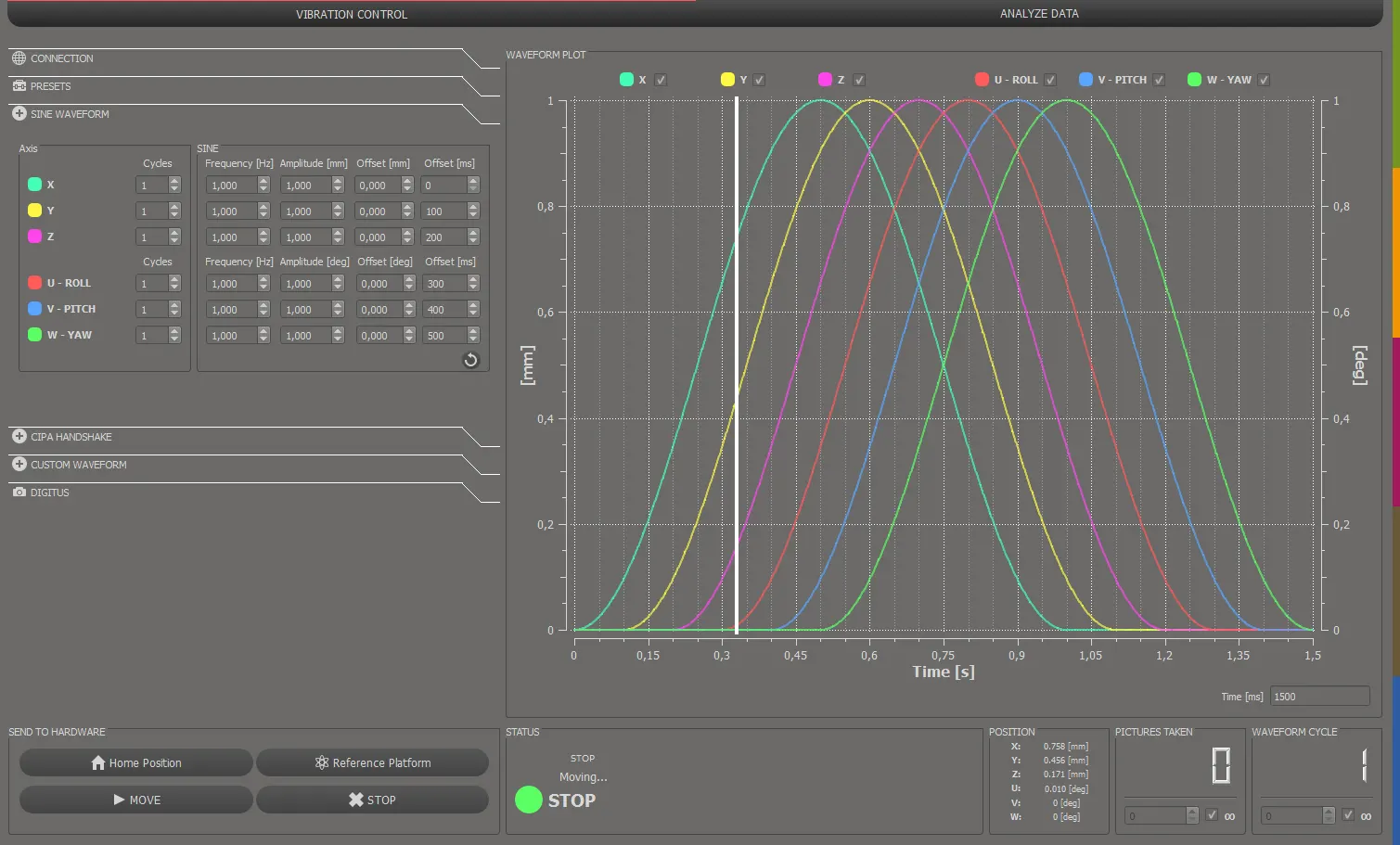
Image Stabilization
The iQ-Lab uses advanced techniques to test the image stabilization performance of a camera.
Image stabilization refers to how stable the camera's optical system is during image capture. Camera shake, particularly for handheld cameras, is inevitable, so testing how well a camera can perform during unstable conditions is essential. In addition, our lab has begun developing new test methods to evaluate camera shake in automotive and other action cameras. Our iQ-Lab uses advanced techniques and adheres to the methods outlined in ISO 20954 when testing image stabilization.
Low Light Performance
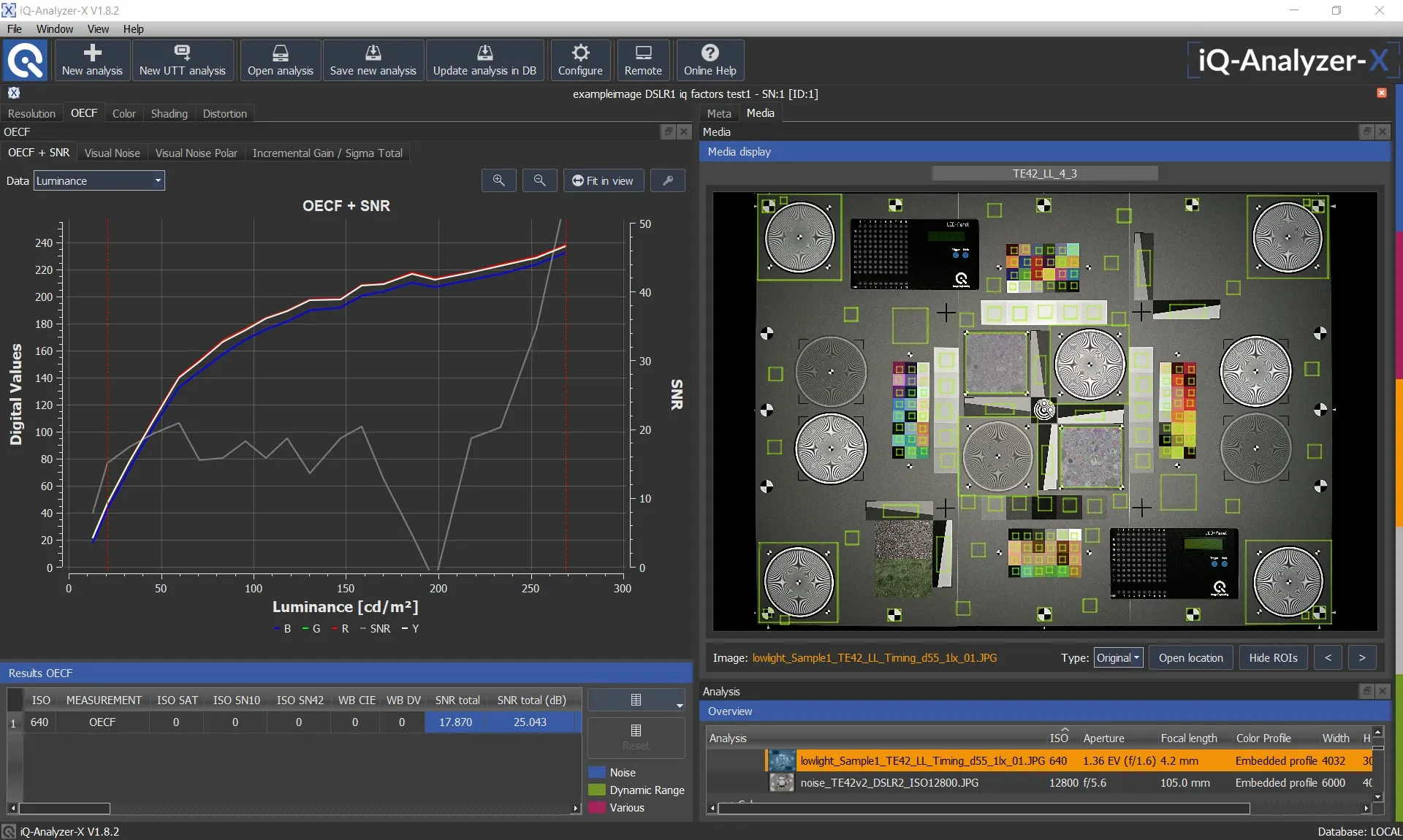
Our iQ-Lab uses advanced lighting techniques to create low-light testing environments.
Low-light performance is defined as the lowest light level a camera can capture while maintaining acceptable image quality. Cameras with smaller sensors, such as mobile phones, will often experience issues in low-light environments. Our test lab employs advanced illumination techniques and adheres to the measurement methods described in ISO 19093 to accurately evaluate a camera system's low-light performance.
(Image) Noise
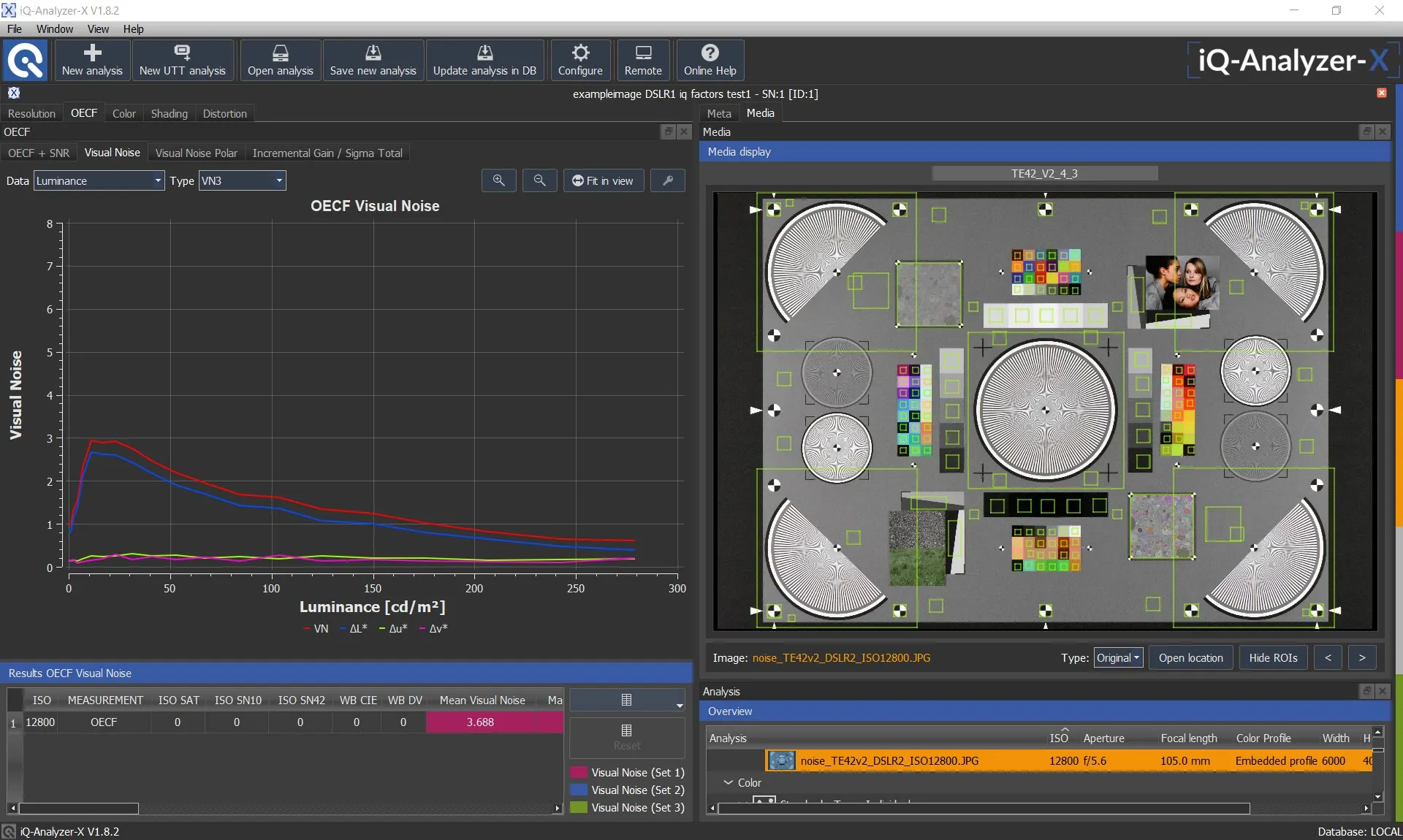
We use state-of-the-art testing techniques to evaluate camera noise.
Image noise refers to grainy artifacts that do not originate from the original scene content. Noise can take various forms within an image and, in most cases, is an unwanted artifact that reduces image quality. We closely follow the test methods from ISO 15739 when evaluating camera noise.
(Image) Resolution
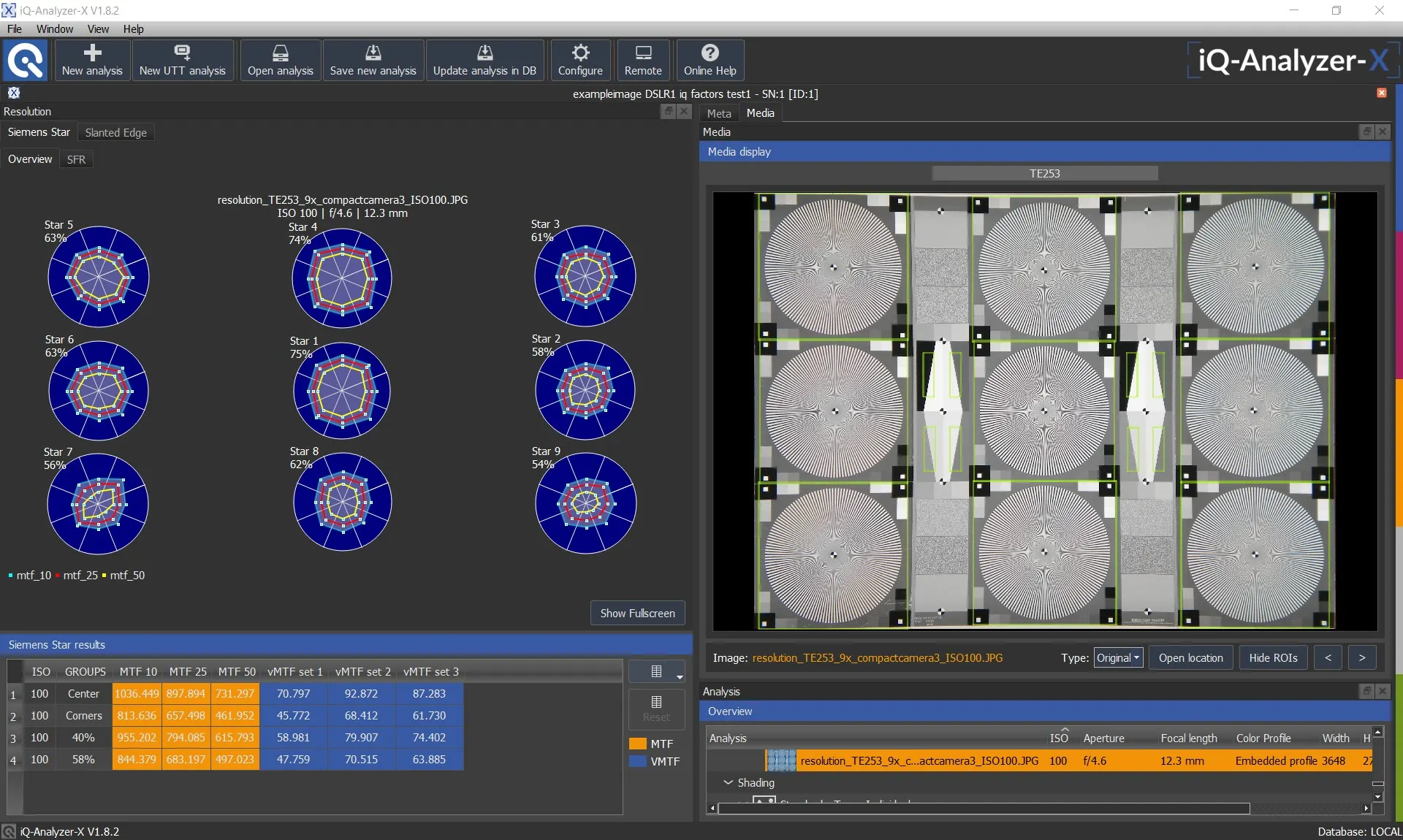
We use the latest techniques when testing camera resolution/SFR performance.
Image resolution describes a digital camera's ability to reproduce scene details. Various factors influence image resolution, including lens quality, component alignment, proper focus, exposure time, and aperture. When testing resolution, our iQ-Lab uses the latest testing techniques and closely follows the methods from ISO 12233.
Shading/Vignetting
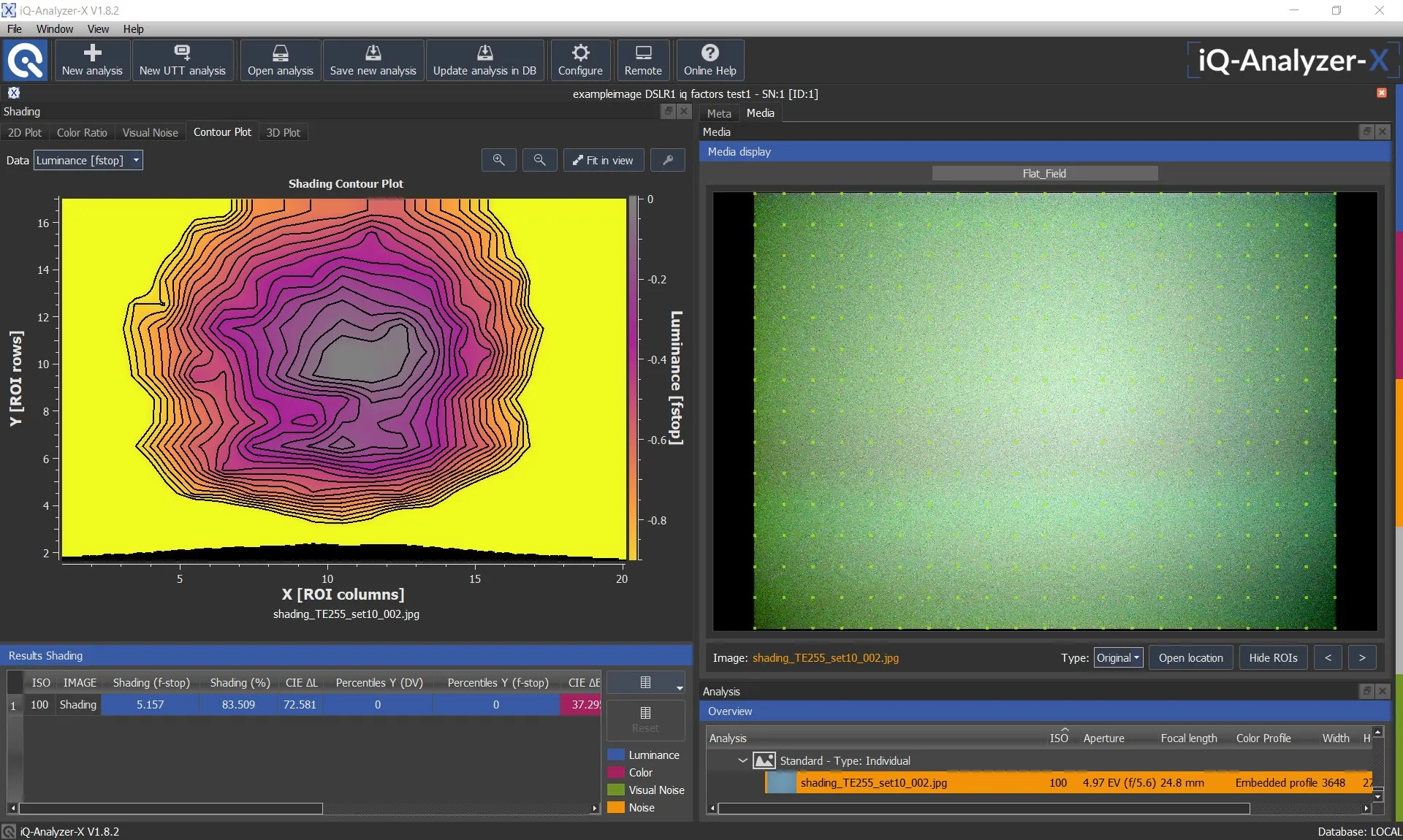
The iQ-Lab employs advanced testing methods to evaluate shading performance.
Shading, or vignetting, is a decrease in brightness from the center to the corners of an image, creating unwanted dark or shaded edges. Occasionally, color variation across the imaging field can occur, particularly in cameras with a small sensor. We test shading in our test lab using the methods and setups described in ISO 17957.
Texture Loss
We use the latest testing methods to evaluate texture loss performance.
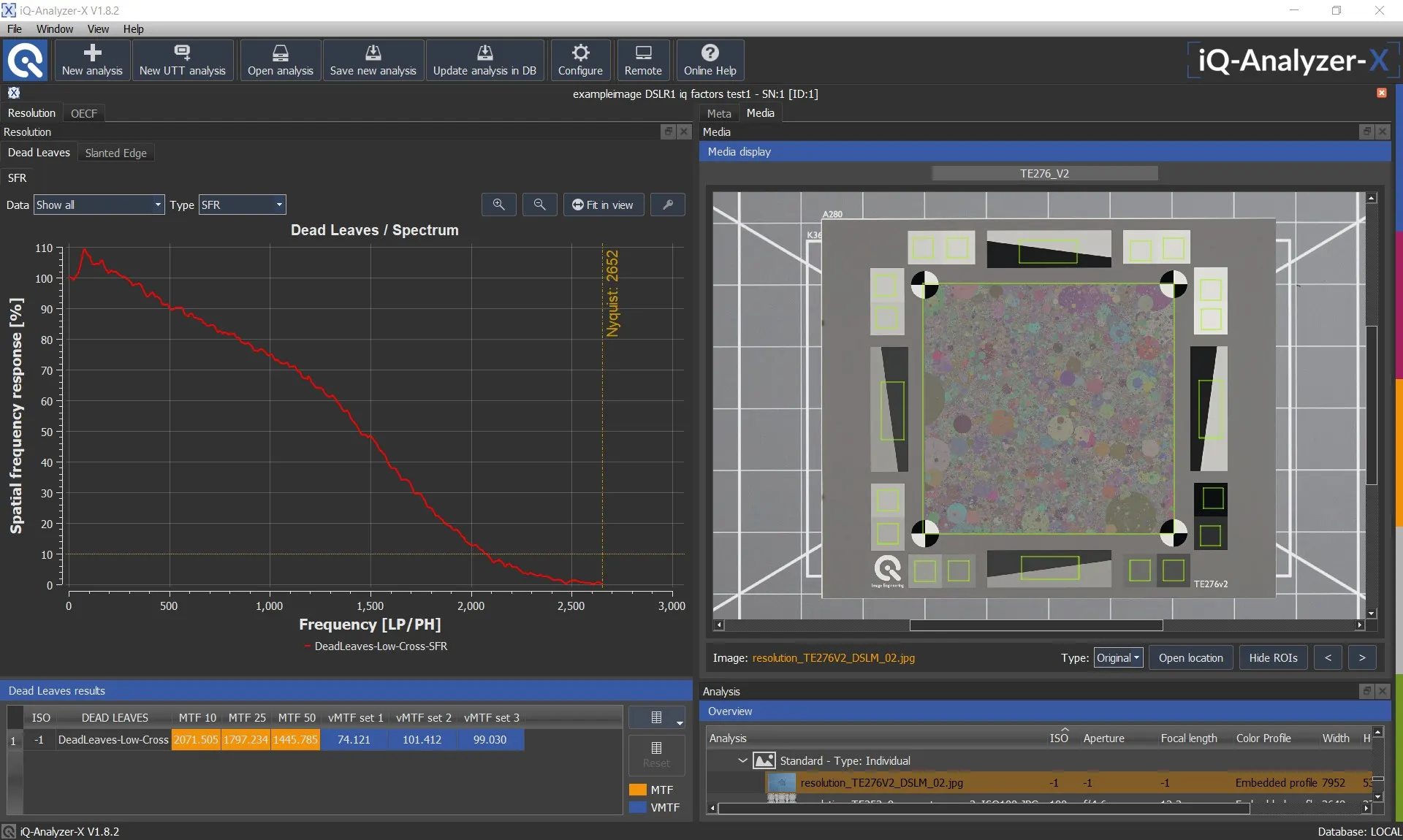
Texture loss often refers to the loss of low-contrast fine details. More technically, texture loss is the degradation of fine details in an image caused by noise reduction. Thus, it is crucial to test the camera to find the right balance between noise reduction and texture loss. Our test lab uses advanced techniques to quantify texture loss and follows the methods outlined in ISO 19567.
White Balance
Our iQ-Lab uses state-of-the-art testing techniques to analyze camera white balance.
The human eye perceives the color of a light source differently from a camera. When the white balance is automatically adjusted to neutral gray, the image will appear differently to the human eye, affecting image quality. Almost all cameras have various white balance adjustment options to compensate for this effect. We evaluate the performance of these white-balance adjustments using state-of-the-art testing methods.