Skip to content

Robotic Imaging
Excellence

Next‑Level Robotic Imaging – Precision Image Quality for Autonomous Systems

Image Quality Solutions for Industrial and Autonomous Robotics

Industry Overview

Industrial robotics is undergoing a rapid transformation. Robots are moving beyond rigid automation into dynamic environments: factory floors, hospitals, warehouses, retail spaces, and even human‑centric settings. To operate safely and reliably, these systems depend on high‑performance, standards‑compliant imaging systems. Image quality has become a core determinant of safety, productivity, system reliability, and regulatory compliance.

Why imaging is now a mission‑critical subsystem

A robot without vision is blind. It can follow pre‑programmed trajectories, but the moment the environment changes, a part shifts, lighting varies, a human enters the workspace, failures occur. Computer vision enables robots to perceive, adapt, and act intelligently.

It powers:

  • Object detection & pose estimation

  • Navigation & obstacle avoidance

  • Quality inspection

  • Human‑robot interaction

  • Medical precision tasks

As industries demand more flexibility, autonomy, and safety, imaging requirements grow accordingly.

Core Robotics Sectors

Industrial robotics spans four core application domains where high‑precision imaging systems are essential for safety, performance, and autonomous decision‑making, from factory automation and medical robotics to autonomous logistics and humanoid systems.

Factory Automation

Speed, variability, and reliability

Medical Robotics

Precision and regulatory compliance

Autonomous Logistics

Real‑world complexity

Humanoid Robotics

Human‑centric perception

Main Applications

A look at the crucial applications and factors when determining the image quality performance of robotics sectors cameras.

Color Calibration

Color accuracy is essential for traditional camera systems to depict the captured scene accurately. Camera color calibration ensures the camera meets industry color requirements.

Dynamic Range

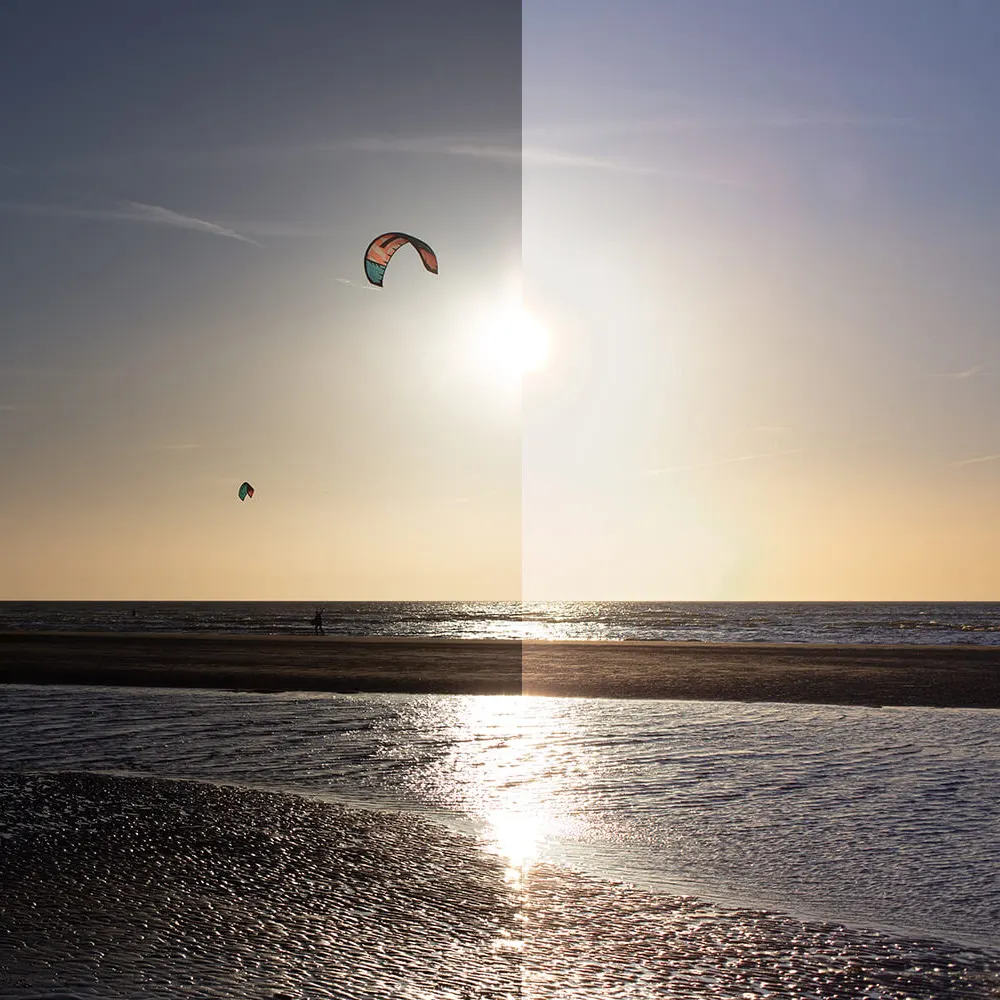
A dynamic‑range measurement determines the ratio between the maximum sensor output (saturation) and the lowest signal level at which the signal‑to‑noise ratio still exceeds a defined usability threshold.

Geometric Calibration

Determining the impact of various image quality factors on a camera lens's performance is essential to developing high-quality cameras.

Resolution

Image resolution is a digital camera's ability to reproduce scene details. Resolution is an essential image quality attribute as it relates to the overall image quality perceived by a human observer.

Key Products & Solutions

We offer a wide range of test solutions for all of the most crucial Robotic Imaging applications and performance metrics.

Arcturus & Vega

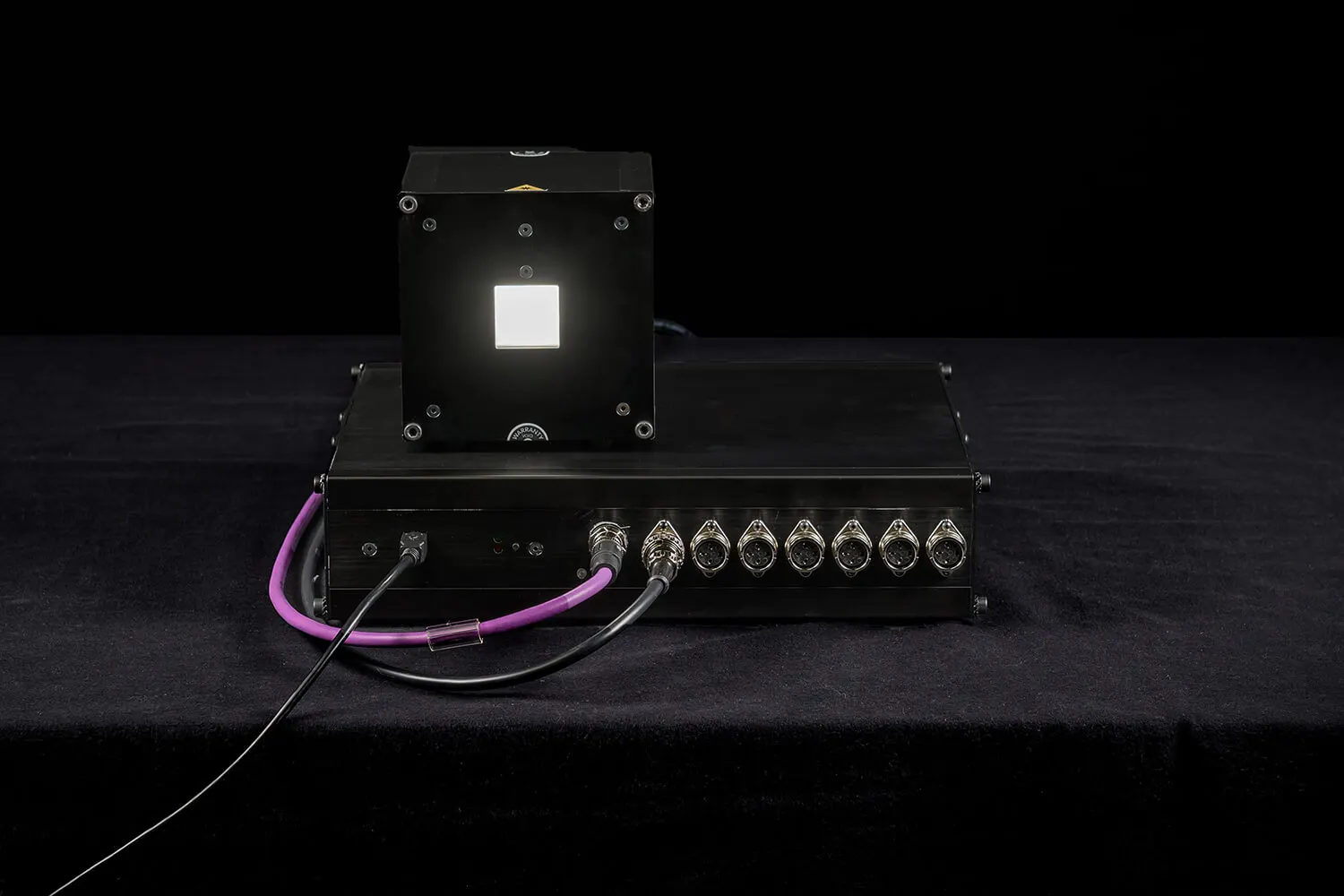
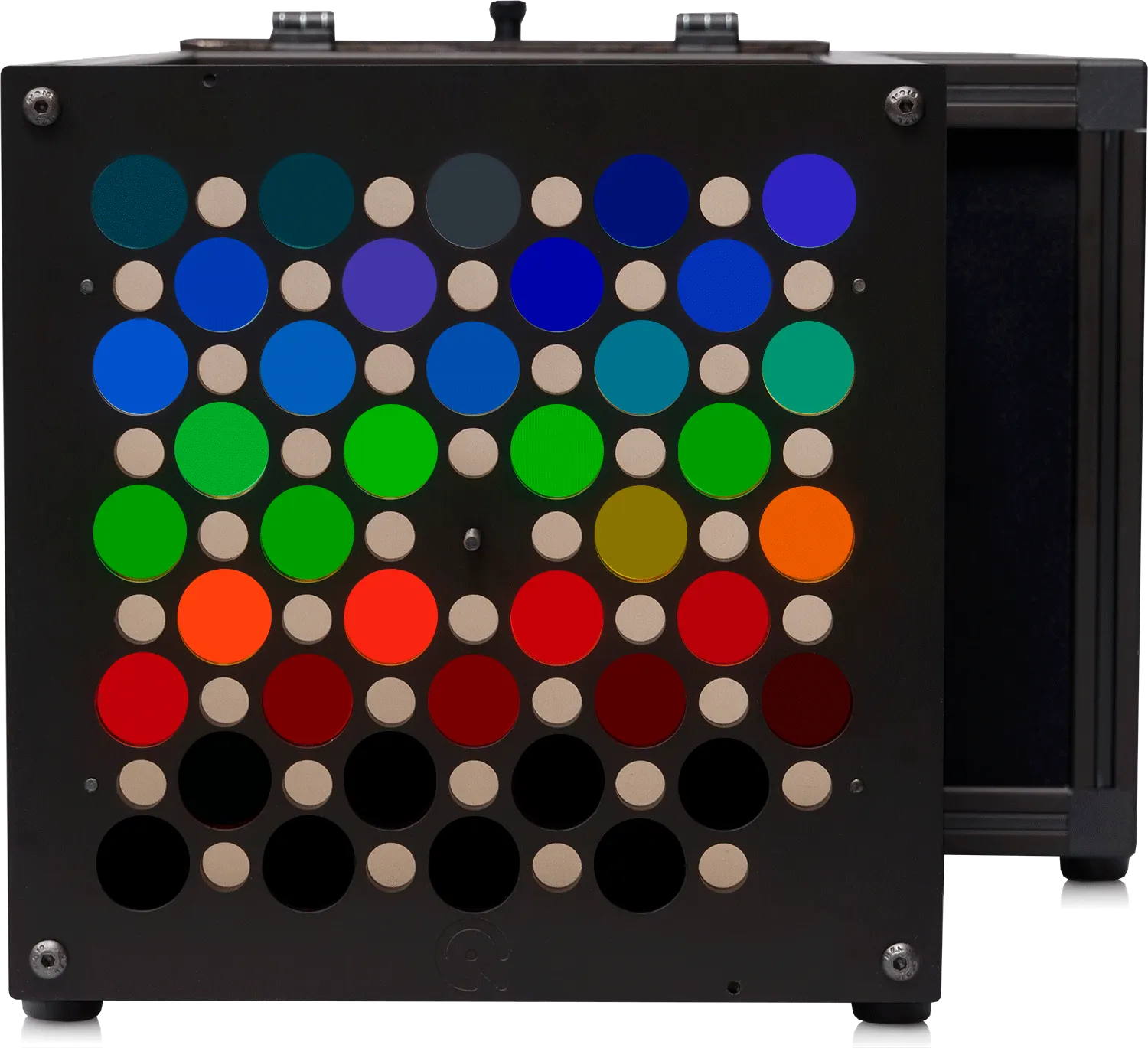
High-intensity light sources with unmatched stability and consistency.

GEOCAL

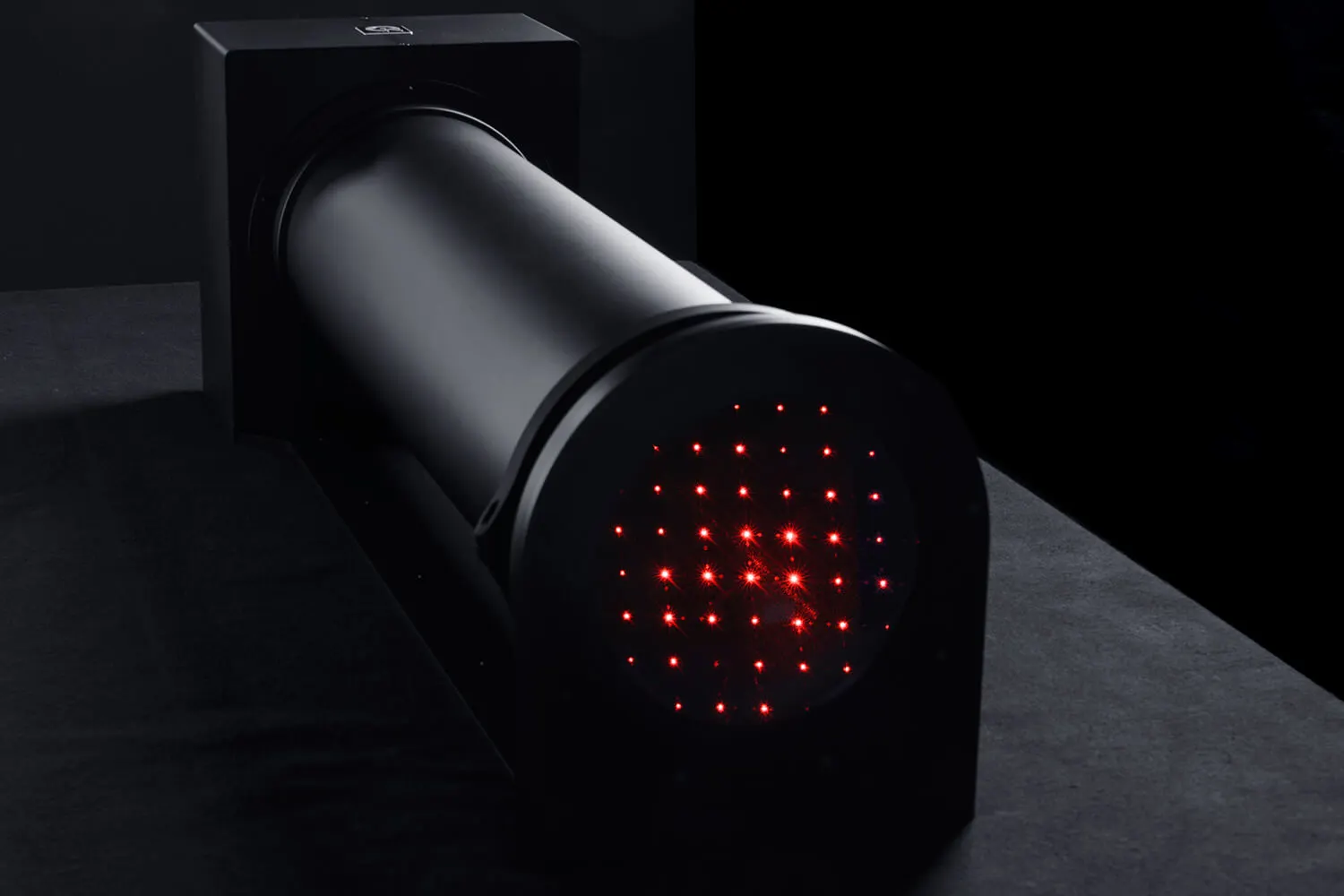
Geometric calibrations using a compact device that generates a grid of light spots originating from infinity.

camSPECS

Fast camera spectral sensitivity measurement

iQ-Analyzer-X

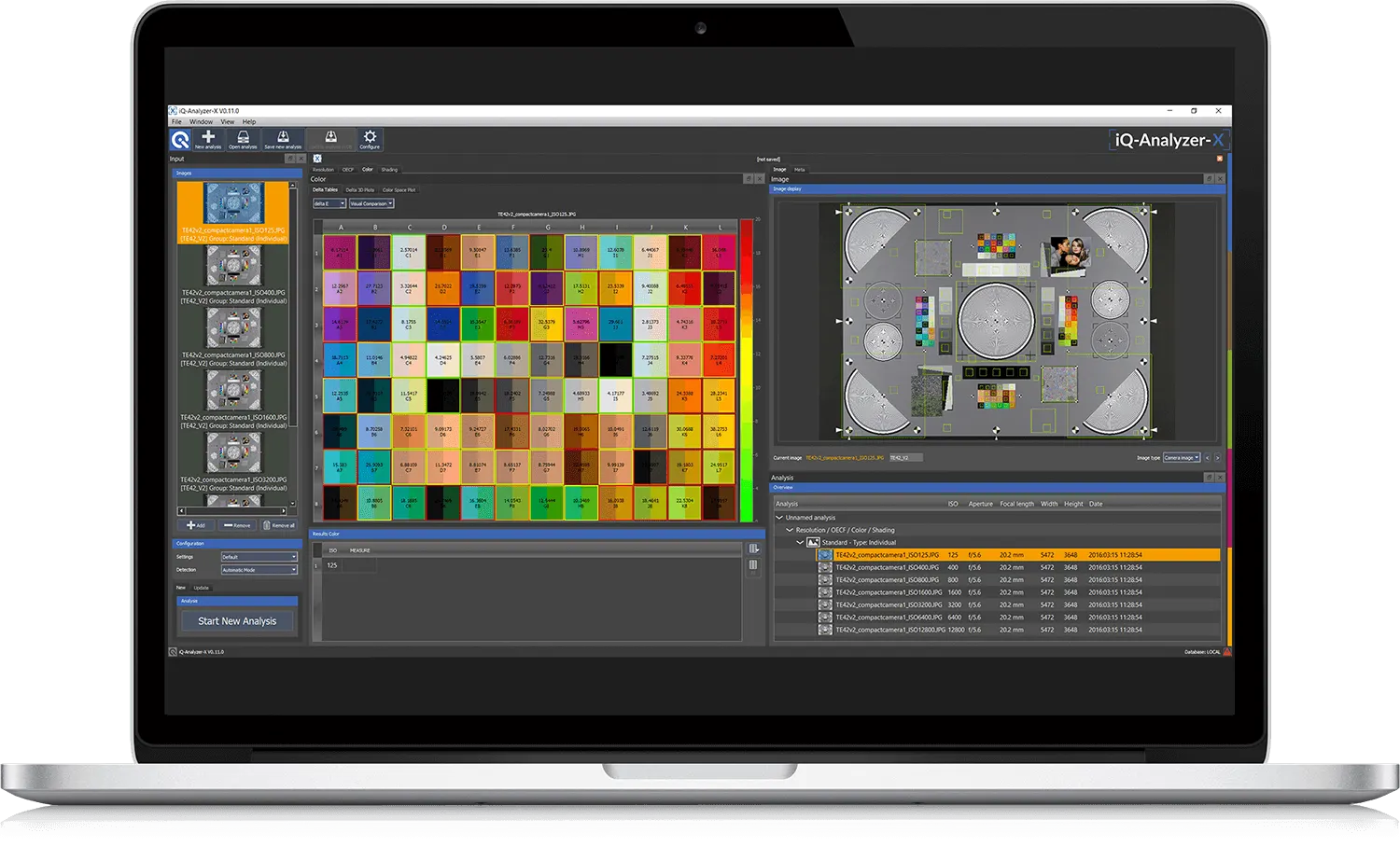
Advanced software for evaluating the performance of various image quality factors.

Testing Image Quality Factors

Let us test your cameras!

Across all robotics sectors, image quality is a fundamental enabler of reliable perception, autonomous decision-making, and safe operation. Whether in factory automation, medical robotics, autonomous logistics, or humanoid systems, camera performance directly influences how accurately robots detect objects, navigate environments, interact with humans, and execute critical tasks.

Each image quality factor represents a measurable characteristic used to evaluate how effectively a vision system supports robotic performance. At the iQ-Lab, we apply these objective metrics to assess and validate camera and sensor systems under realistic operating conditions, helping manufacturers optimize safety, reliability, and overall system performance.

Most image quality factors are defined by internationally recognized standards that specify test procedures, measurement environments, and evaluation methods. Whenever applicable, our testing follows these standards to ensure results are repeatable, comparable, and scientifically reliable.

Because robotics applications vary significantly in their requirements, not every image quality factor is equally important for every system. A camera designed for surgical robotics, for example, faces different challenges than one used in autonomous mobile robots or industrial automation. When requesting testing or calibration services through the iQ-Lab, you can provide your specific application requirements, and our experts will recommend the most relevant combination of image quality measurements for your robotics use case.

准备好实现您的愿景了吗?

需要帮助吗?

图像质量测试?

Phone (DE): +49 2273 99 99 1-0
Phone (USA): +1 786 686-8664
Phone (China): +86 158 8961 9096
Office Hours: Mon–Fri, 9–5 PM (CET)