
Robotics

Humanoid Robotics

Humanoid Robotics in Human Environments
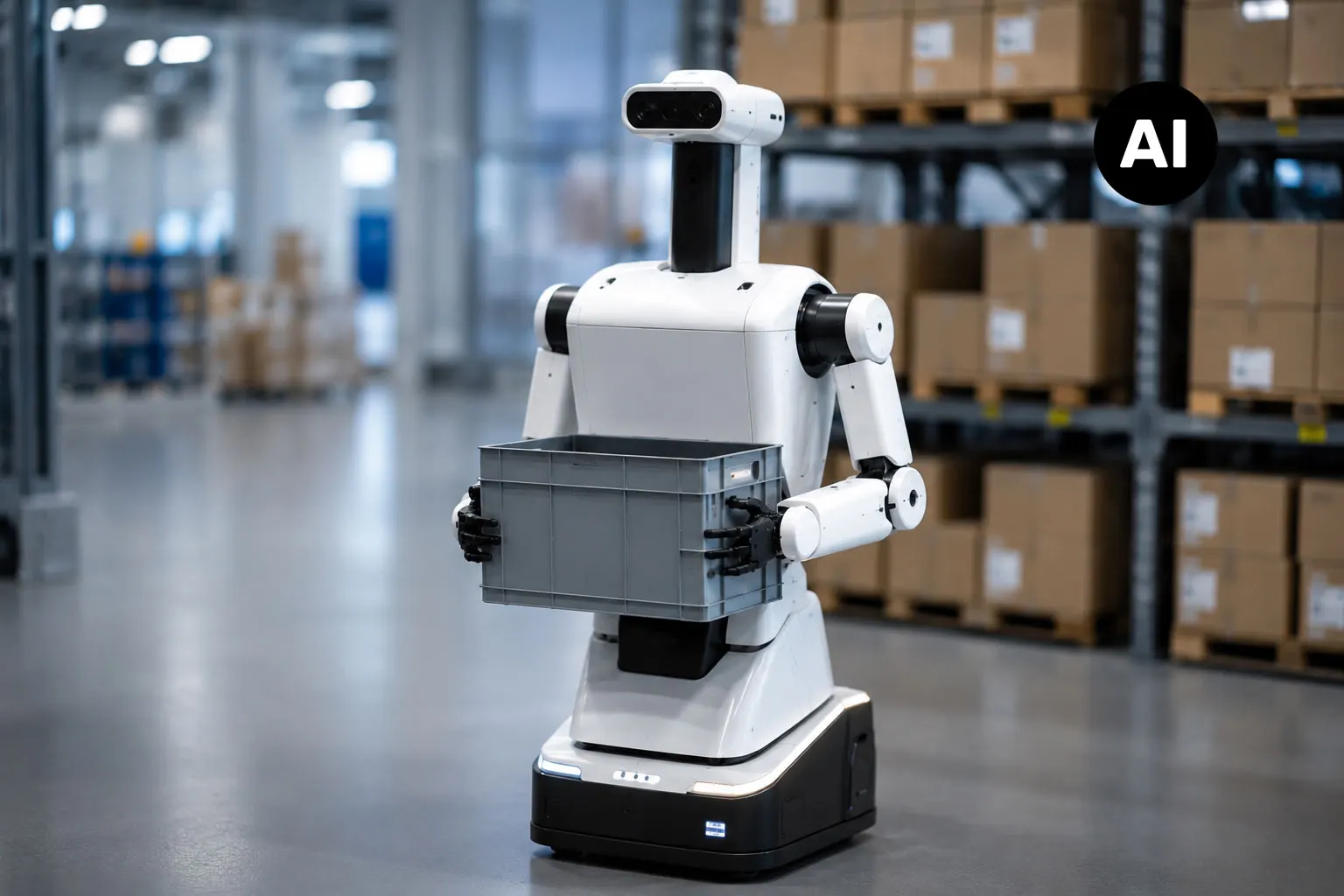
Humanoid robotics is rapidly advancing as industries seek adaptable automation capable of operating safely and efficiently in human‑designed environments. The field is accelerating as embodied AI, perception, and actuation technologies mature, making humanoid platforms viable for real‑world workflows where traditional robots cannot function. As companies explore new automation strategies, humanoid robots are emerging as a key solution for tasks that require mobility, dexterity, and human‑level environmental interaction.

Their primary operational purpose includes:

Human‑environment interaction navigating door handles, stairs, tools, and irregular indoor layouts.

Assistive tasks supporting daily activities, light logistics, and repetitive manual workflows.

Brand & marketing activation showcasing advanced automation capabilities in customer‑facing environments.

Key Segments of Humanoid Robotics
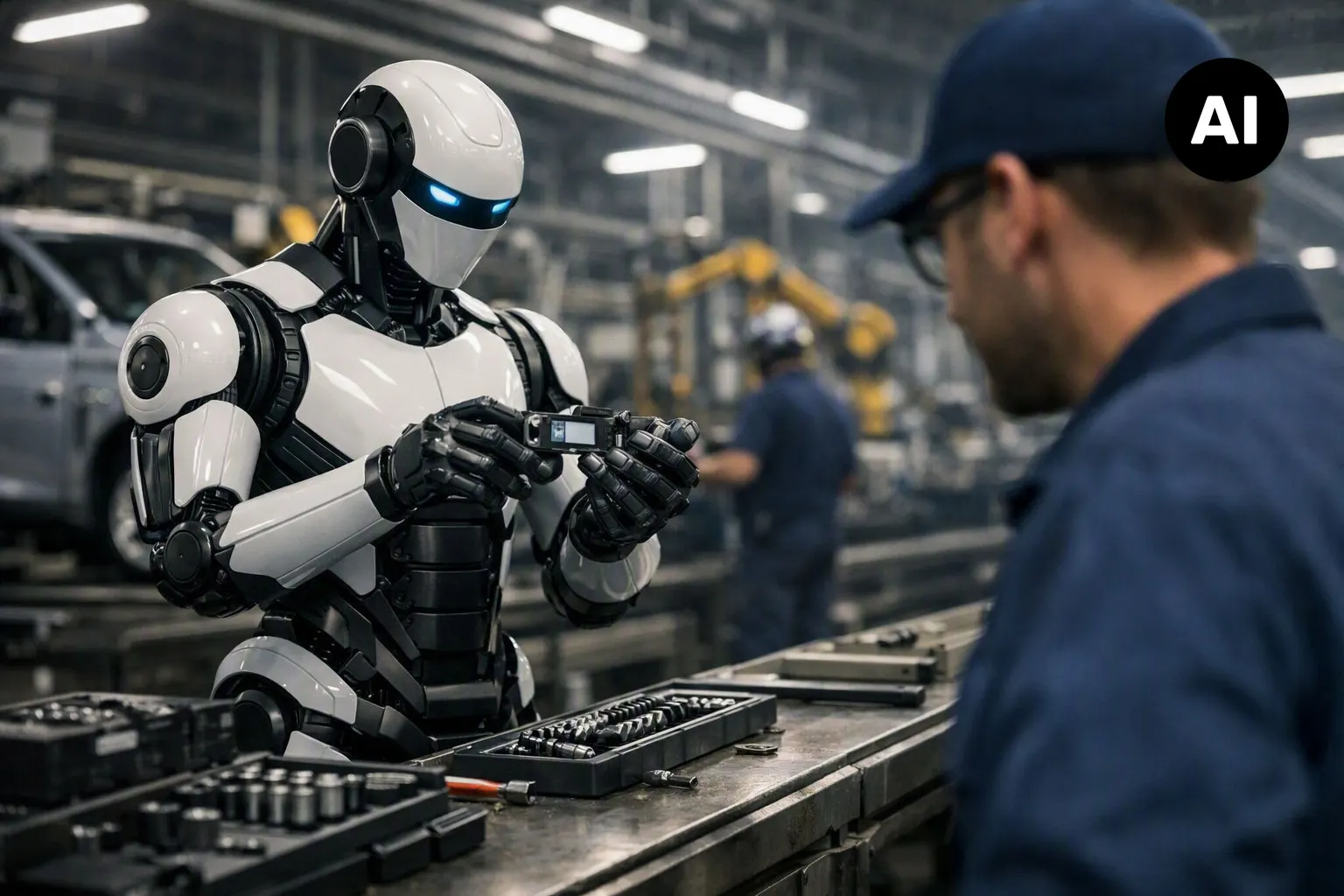
Humanoid robotics is gaining traction across several high‑value segments where human‑centric environments, dexterous manipulation, and adaptive perception are essential. Each segment highlights distinct operational challenges, and the imaging priorities that drive system performance.
Key Segments of Humanoid Robotics

Industrial & Manufacturing Support

Humanoid robots extend automation into production zones originally designed for people, not machines. They navigate complex indoor layouts, interact with tools, and support repetitive manual workflows.

Image Quality Factors:

High‑Dynamic‑Range perception for mixed‑light factory environments

Geometric stability for manipulation and workstation alignment

Low‑latency imaging for safe human‑robot collaboration

Logistics & Warehouse Operations

In warehouses and distribution centers, humanoid robots handle picking, sorting, replenishment, and navigation through irregular indoor layouts.

Image Quality Factors:

IR and multispectral sensing for low‑light aisle navigation

Color‑accurate object recognition for SKU identification

Timing validation for real‑time movement and obstacle avoidance

Assistive & Service Robotics

Humanoid robots support daily‑living tasks, light caregiving, hospitality workflows, and customer‑facing interactions in human‑centric spaces.

Image Quality Factors:

Consistent color rendering for safe interaction and gesture recognition

HDR stability for indoor–outdoor transitions

Geometric precision for object handling and mobility

Marketing, Brand Activation & Public Engagement

Humanoid robots act as high‑impact marketing assets, showcasing innovation at trade shows, retail stores, and corporate events.

Image Quality Factors:

Reliable sensor tuning for smooth movement under stage lighting

Image‑quality consistency for presentations and demonstrations

HDR and color stability for spotlight and event environments

R&D, Prototyping & Platform Development

Humanoid robots serve as development platforms for embodied AI, perception systems, and manipulation research.

Image Quality Factors:

Camera sensor evaluation during early platform design

ISP tuning for HDR, flicker, color, and geometry

Full calibration workflows for research‑grade reproducibility

Main Applications

Explore the core applications and image‑quality metrics that drive visual performance in humanoid robotics.

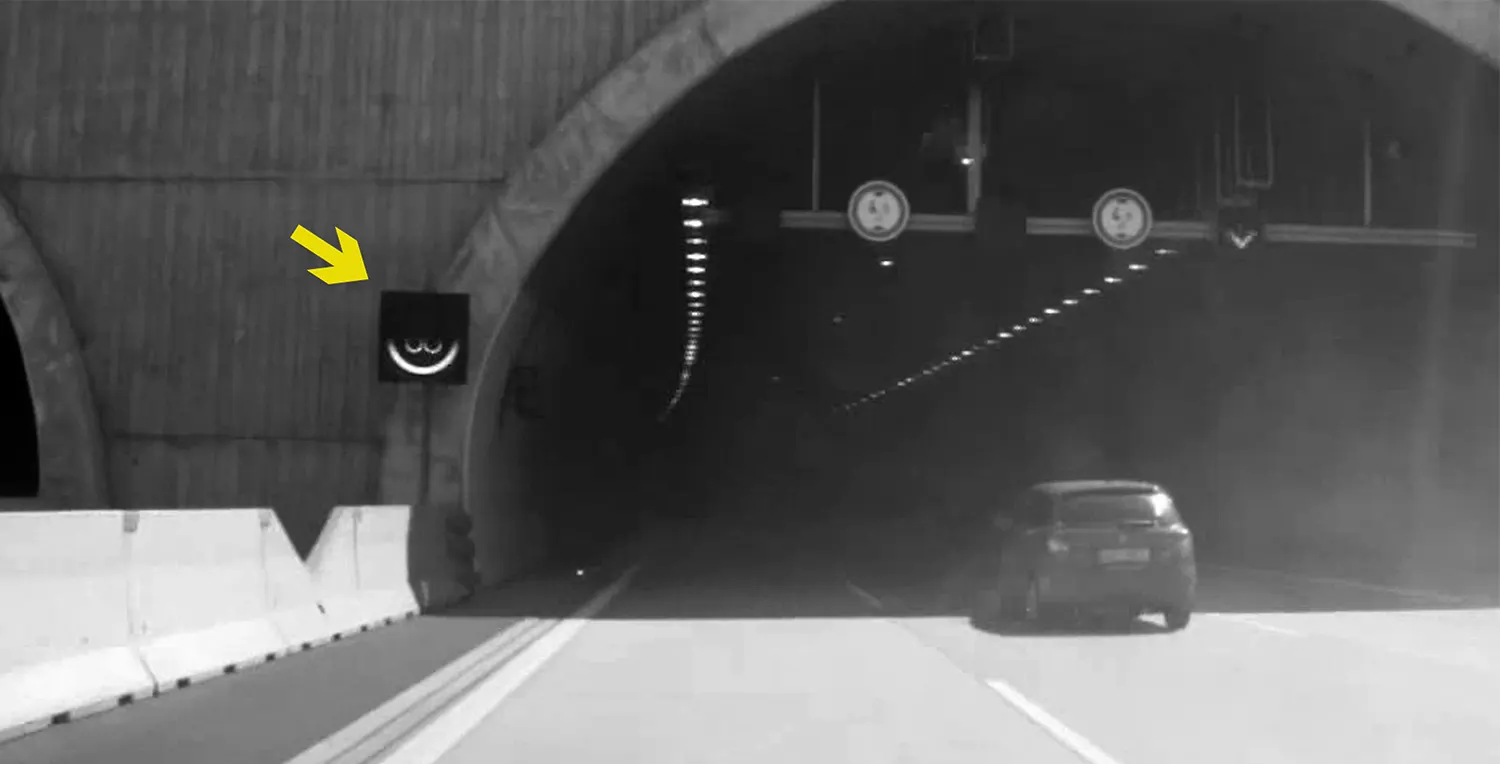
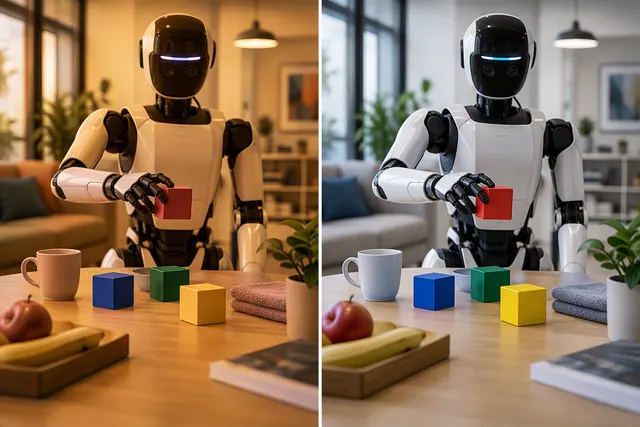
HDR example image

Dynamic Range

A dynamic‑range measurement determines the ratio between sensor saturation and the lowest usable signal level where the signal‑to‑noise ratio still meets the defined threshold.
Flicker (MMP)

Flicker (MMP)

Flicker is an image quality issue caused by fluctuations in light intensity over time, resulting in visible brightness variations or banding in an image or video.
distortion

Geometric Calibration

Distortion reduces geometric accuracy by causing straight structural or component edges to appear curved or warped, directly affecting robotic alignment, positioning, and reliable part handling.

color accuracy example image

Color Calibration

Color accuracy is essential for camera systems to depict the captured scene accurately. Camera color calibration ensures the camera meets industry color requirements.

Key Products & Solutions

We offer a wide range of test solutions for all of the most crucial Robotic Imaging applications and performance metrics.
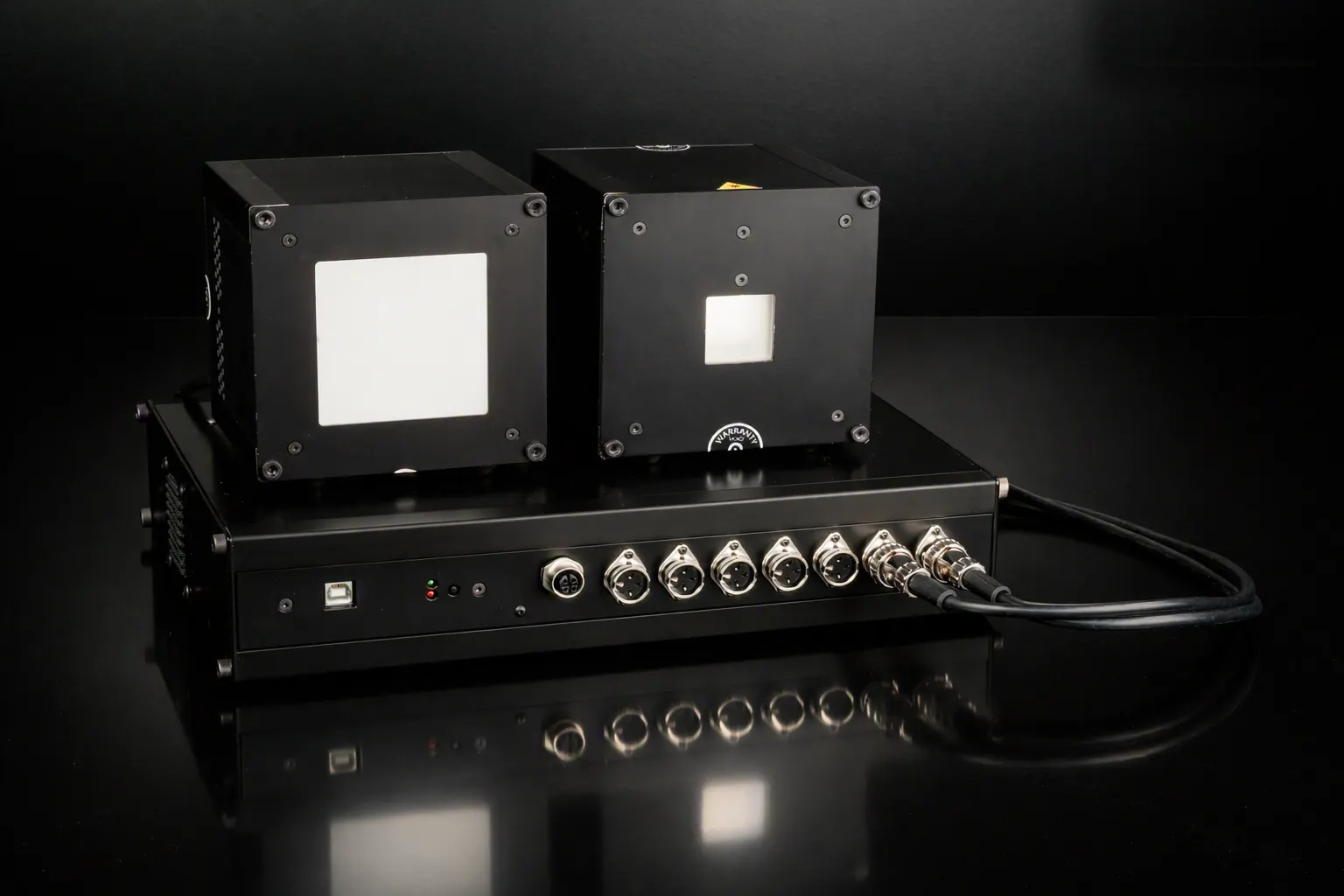
Arcturus & Vega

Arcturus & Vega

High-intensity light sources with unmatched stability and consistency.tdf

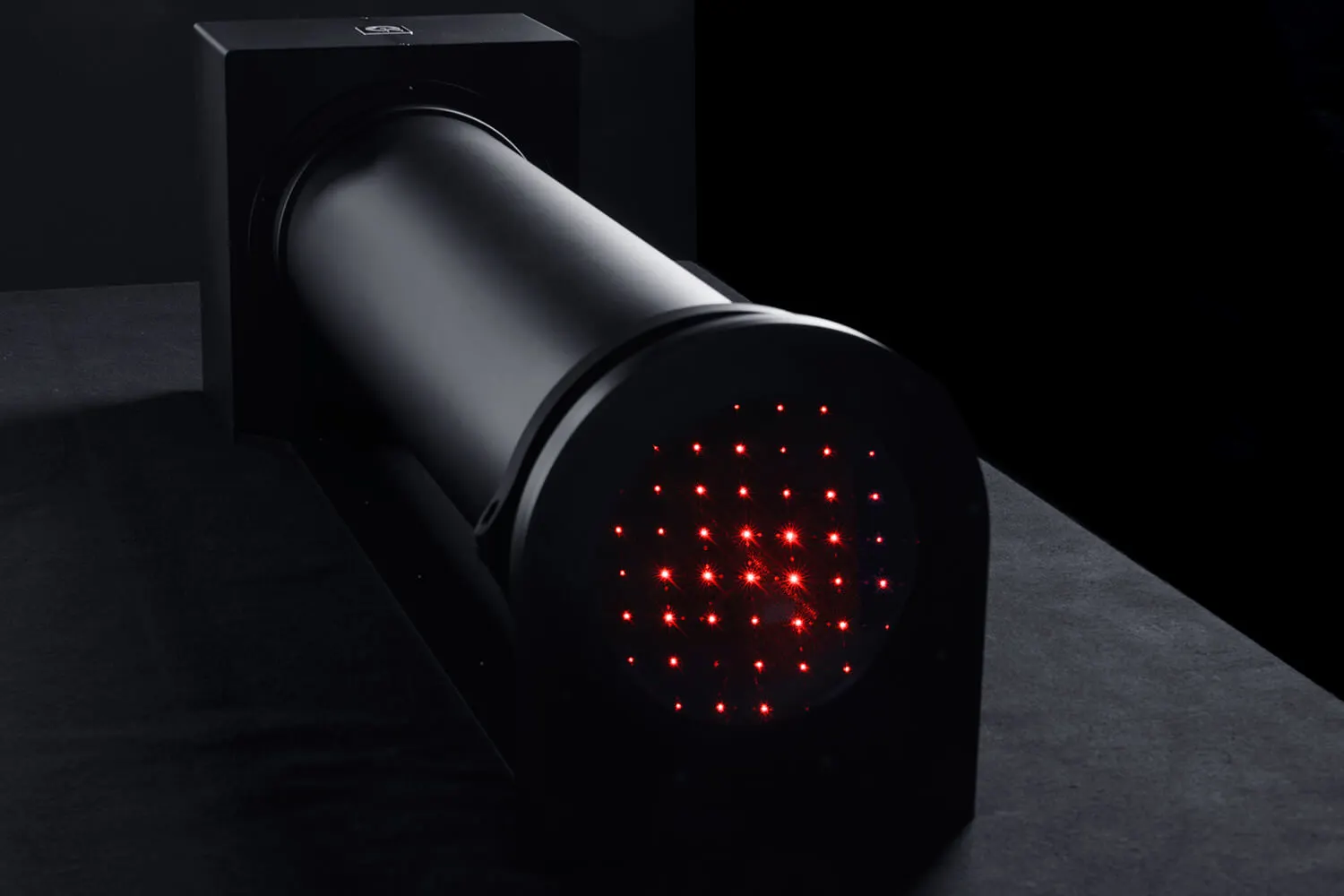
A black tube projects a grid of red dots for automotive camera image quality testing

GEOCAL

Geometric calibrations using a compact device that generates a grid of light spots originating from infinity.

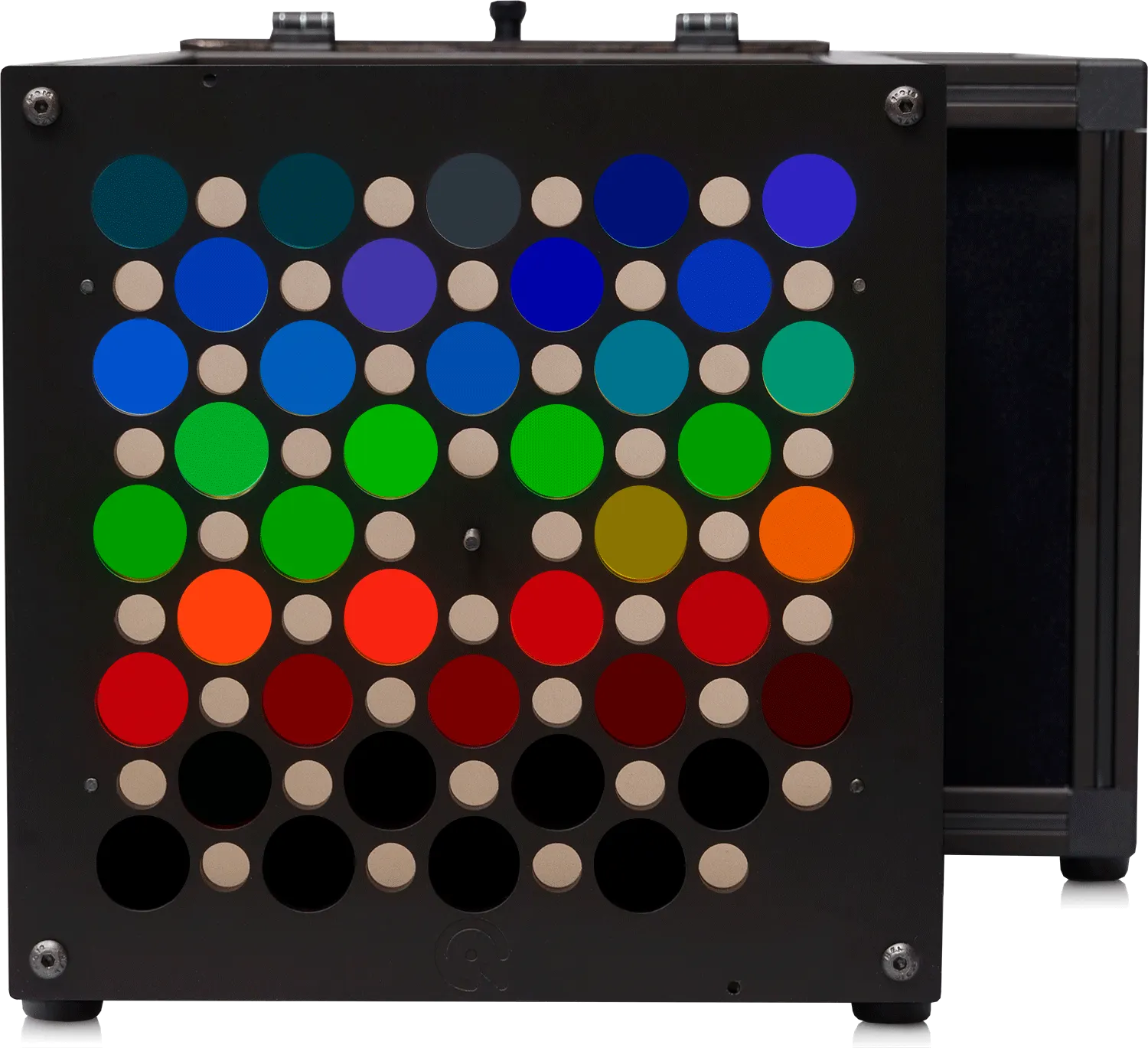
camSPECS XL front plate

camSPECS

Fast camera spectral sensitivity measurement
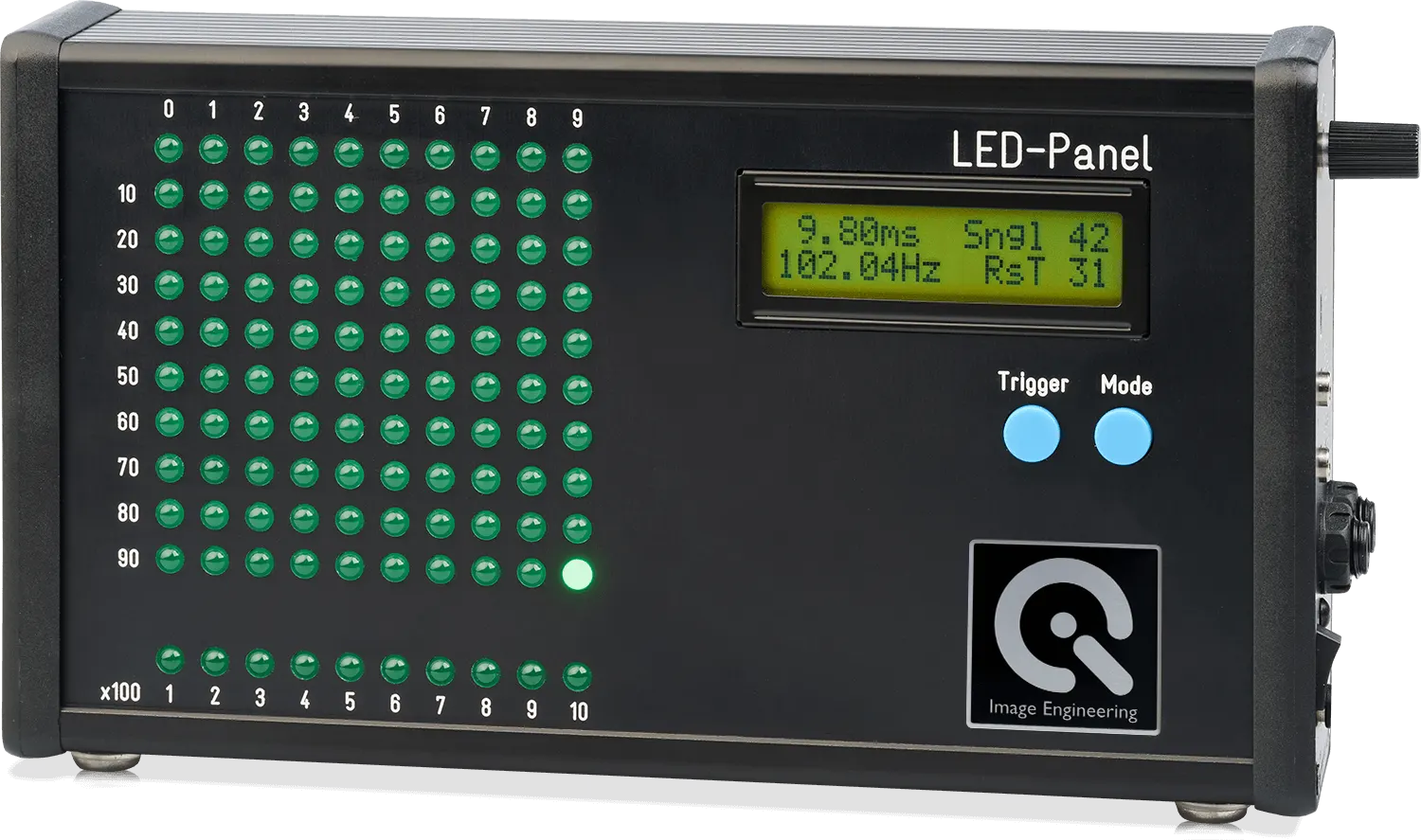
LED-Panel timing measurements

LED-Panel

A popular timing measurement device for determining critical timing values in digital cameras.

Testing Image Quality Factors for Humanoid Robotics

A dark, high-contrast shot of medical image quality testing equipment, including a test chart, with a hand adjusting a part

Let us test your cameras!

A reliable imaging pipeline is essential for safe, precise, and adaptive humanoid robotic systems. Every image‑quality factor represents a measurable metric that determines how well a camera supports real‑time perception, object interaction, and environmental awareness. In our iQ‑Lab, we test and validate camera and sensor performance under conditions that reflect the challenges of human‑centric environments, from variable lighting and complex geometry to dynamic motion and mixed materials.

Most image‑quality factors are defined by international standards that specify test methods, laboratory setups, and evaluation criteria for assessing a camera’s behavior. Whenever applicable, our testing follows these standards to ensure repeatable, comparable, and industry‑trusted results.

Because every humanoid robotic system has unique imaging requirements, not all factors are relevant for every application. When you request a camera test or calibration through the iQ‑Lab, you can provide your system specifications, and we will recommend the most meaningful combination of factors for your specific humanoid robotics use case.

Ready to Transform Your Vision?

Need help with

image quality testing?

Phone (DE): +49 2273 99 99 1-0
Phone (USA): +1 408 386 1496
Phone (China): +86 158 8961 9096
Office Hours: Mon–Fri, 9–5 PM (CET)