Robotics

Medical Robotics

Precision Imaging for Minimally Invasive Procedures
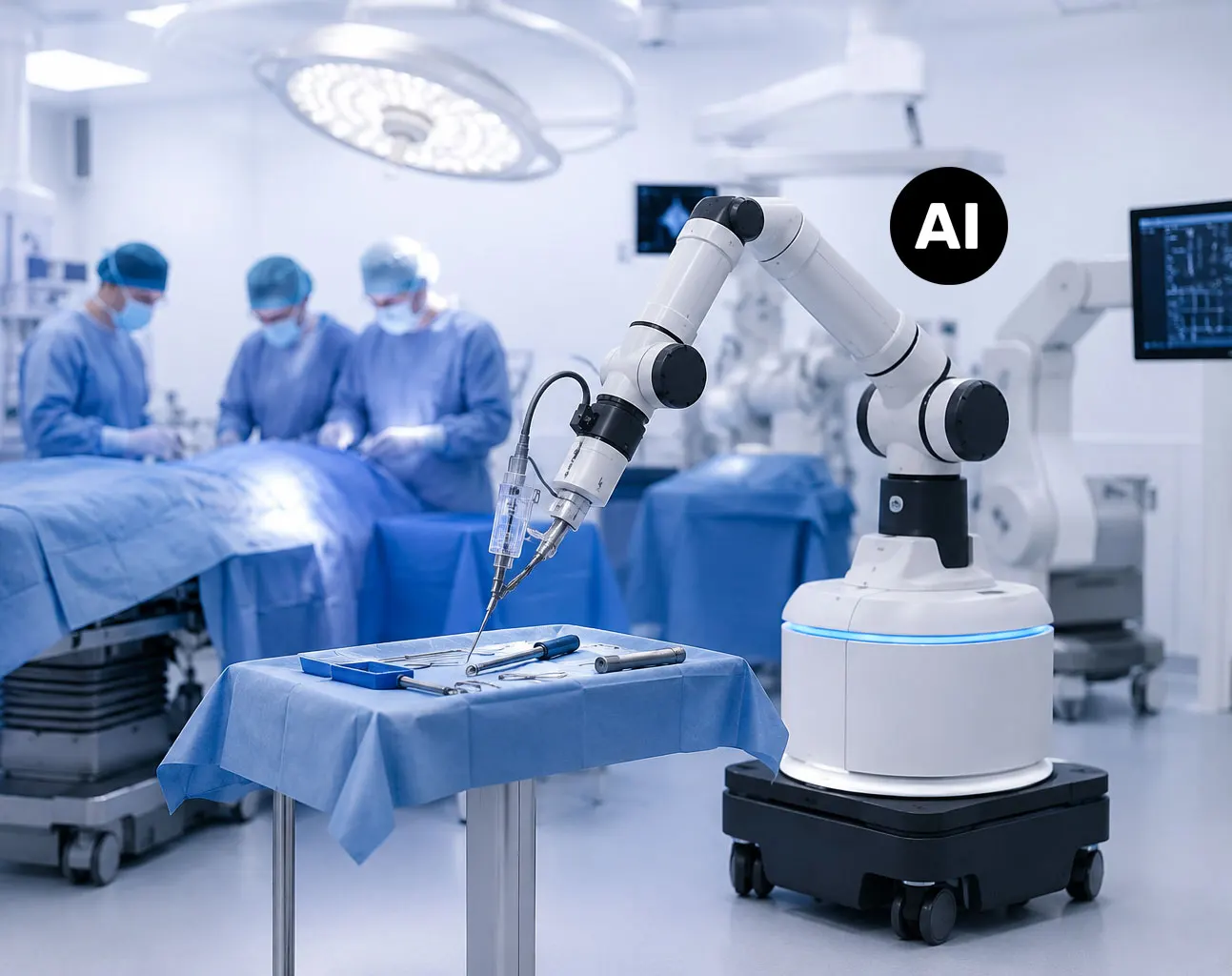
Medical robotics demands an exceptional level of visual precision. In minimally invasive procedures, every robotic action depends on clear, stable, and trustworthy imaging. Surgeons and robotic systems must rely on visuals that remain accurate even under challenging clinical conditions, because image quality directly influences patient safety and procedural outcomes.cy.

Industry Needs

Medical robotics manufacturers face strict requirements that go far beyond typical industrial automation. Vision systems must deliver:

Regulatory‑compliant image performance for medical approvals and documentation

Reliable sensor evaluation to identify the best camera module for surgical systems

Stable imaging during R&D for sensor tuning, algorithm development, and system optimization

Repeatable quality on the production line through calibration and end‑of‑line verification

These needs are driven by the core challenge of medical robotics: the robot must interpret the surgical field with absolute accuracy.

Key Imaging Challenges in Medical Robotics

Minimally invasive procedures introduce unique imaging difficulties.

HDR example image

Dynamic Range

Extreme dynamic range inside the human body. A dynamic‑range measurement determines the ratio between sensor saturation and the lowest usable signal level where the signal‑to‑noise ratio still meets the defined threshold.
System Latency

System Latency

System latency defines the delay between image capture and robotic response, a critical factor for precise, real‑time control in medical robotics.
distortion

Geometric Calibration

In medical robotics, distortion reduces geometric accuracy by causing straight anatomical or instrument lines to appear curved or warped, directly affecting navigation, alignment, and precise tool control.
color accuracy example image

Color Accuracy

Accurate color reproduction is essential for tissue differentiation and reliable visual feedback. Precise camera color calibration ensures the imaging system meets clinical color requirements and delivers trustworthy information for surgical decision‑making.

Key Products & Solutions

We offer a wide range of test solutions for all of the most crucial Robotic Imaging applications and performance metrics.
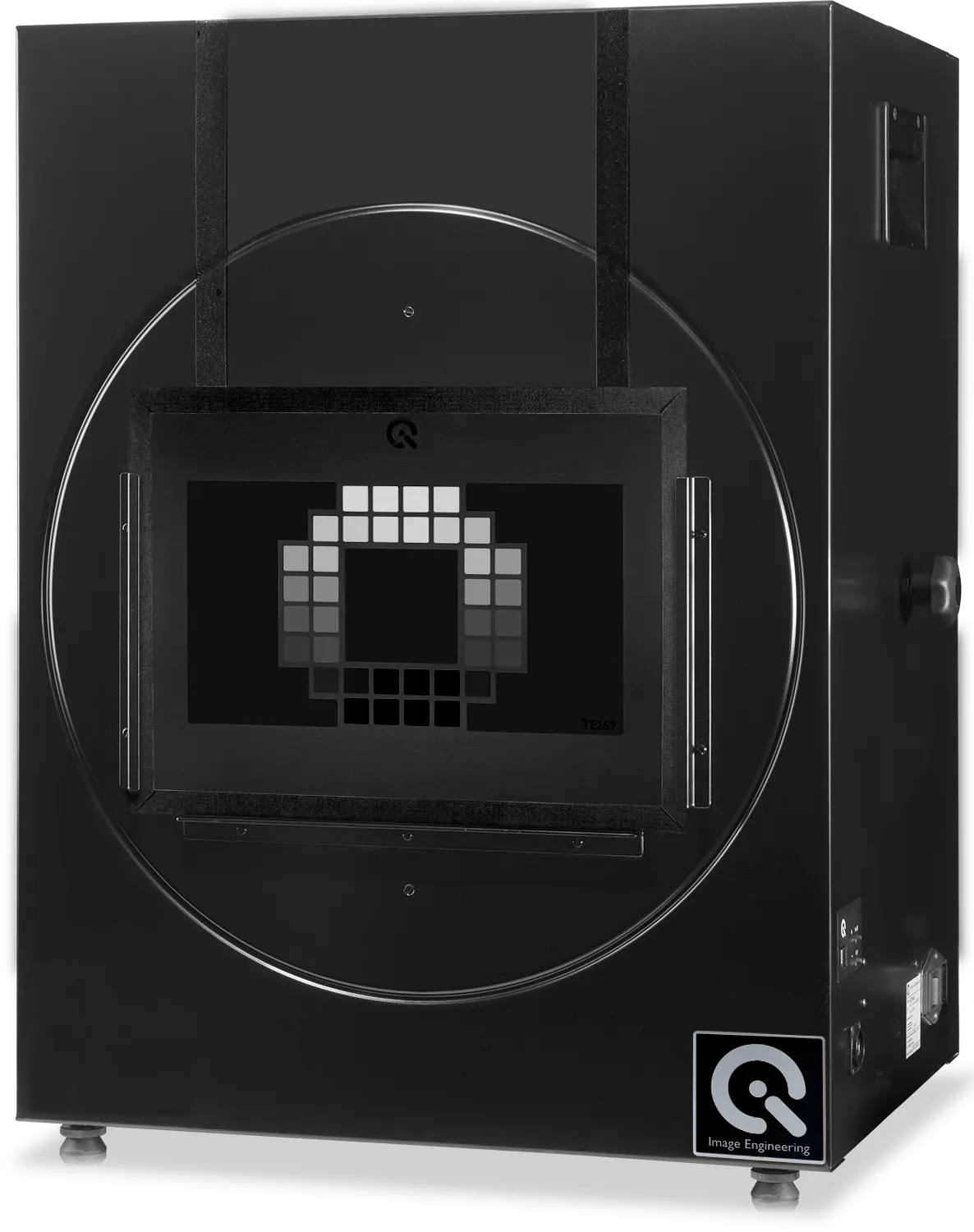
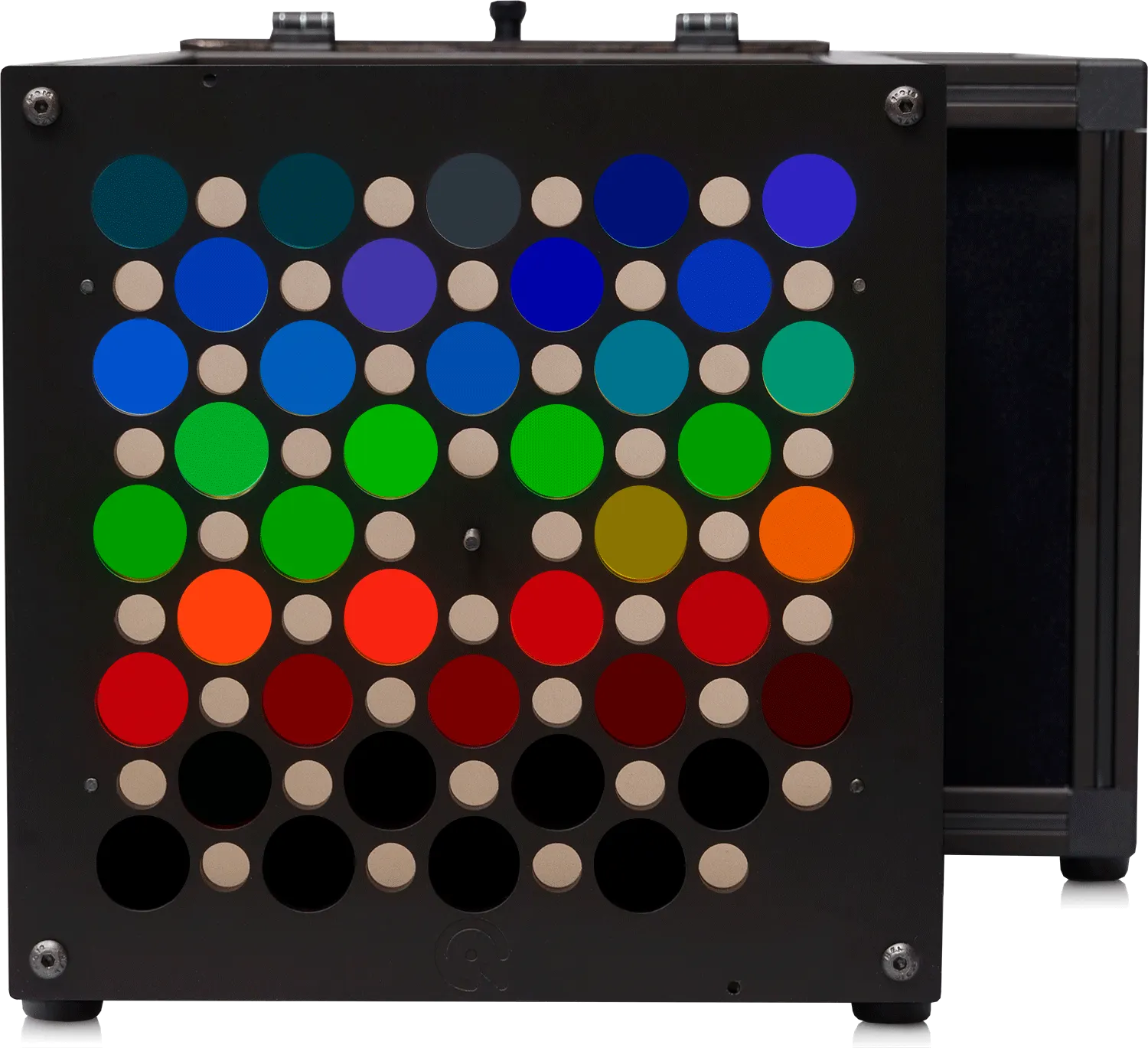
LE7 lighbox for OECF measurements

LE7

An illuminating sphere for test chart illumination and camera calibration.
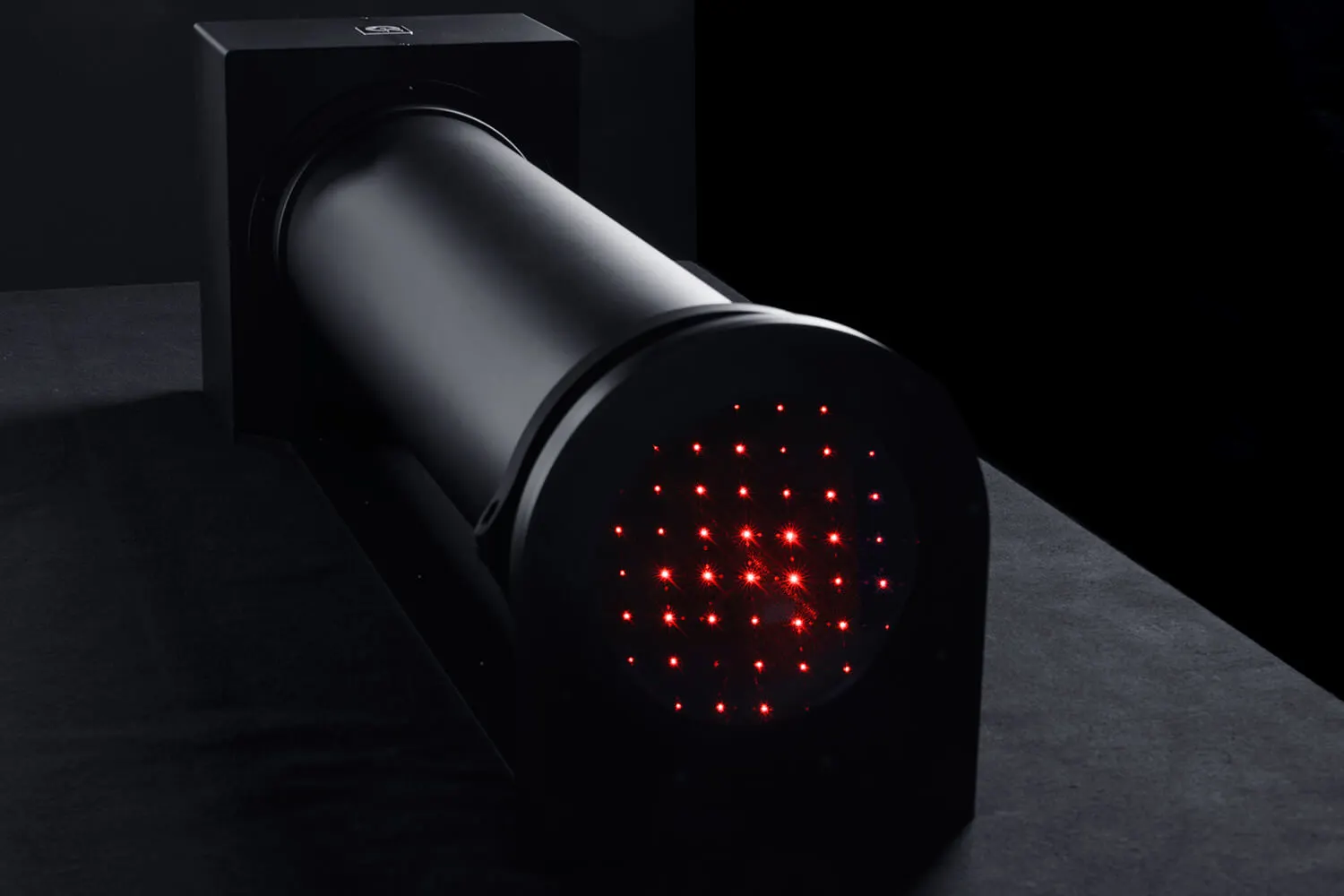
A black tube projects a grid of red dots for automotive camera image quality testing

GEOCAL

Geometric calibrations using a compact device that generates a grid of light spots originating from infinity.

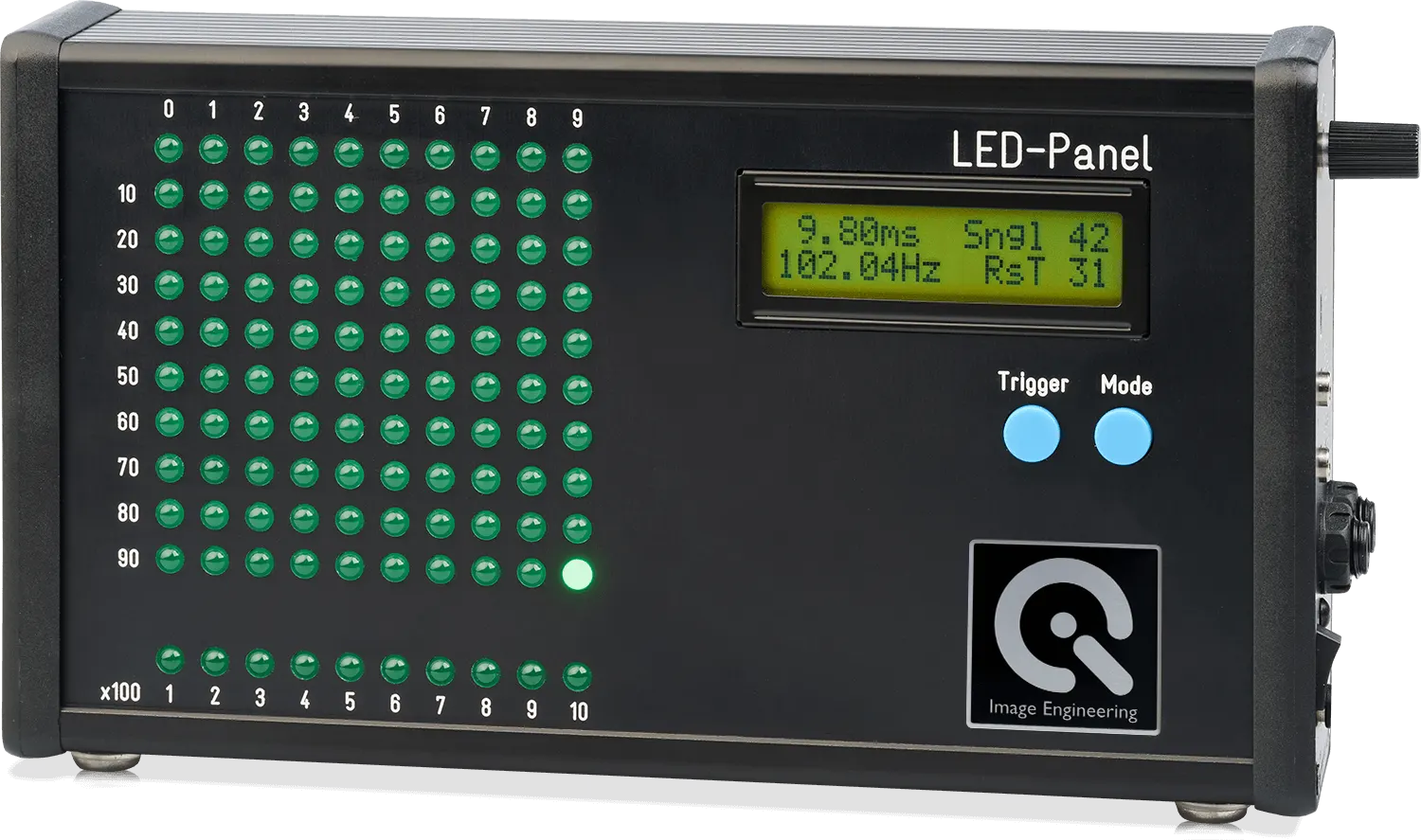
LED-Panel timing measurements

LED-Panel

The LED Panel is the ideal timing measurement device to determine the critical timing values for digital cameras.
camSPECS XL front plate

camSPECS

Fast camera spectral sensitivity measurement

Testing Image Quality Factors

A dark, high-contrast shot of medical image quality testing equipment, including a test chart, with a hand adjusting a part

Let us test your cameras!

A reliable imaging pipeline is essential for safe and precise medical robotic systems. Every image quality factor represents a measurable metric that determines how well a camera supports real‑time surgical navigation, instrument control, and clinical decision‑making. In our iQ‑Lab, we test and validate camera and sensor performance under conditions that reflect the challenges of minimally invasive procedures.

Most image‑quality factors are defined by international standards that specify test methods, laboratory setups, and evaluation criteria for assessing a camera’s behavior. Whenever applicable, our testing follows these standards to ensure repeatable, comparable, and clinically trustworthy results.

Because every medical robotic system has unique imaging requirements, not all factors are relevant for every application. When you request a camera test or calibration through the iQ‑Lab, you can provide your system specifications, and we will recommend the most meaningful combination of factors for your specific medical robotics use case.

Ready to Transform Your Vision?

Need help with

image quality testing?

Phone (DE): +49 2273 99 99 1-0
Phone (USA): +1 408 386 1496
Phone (China): +86 158 8961 9096
Office Hours: Mon–Fri, 9–5 PM (CET)