
Loading news…
Image Quality News | Stay updated with the latest developments in image quality testing and measurement technology
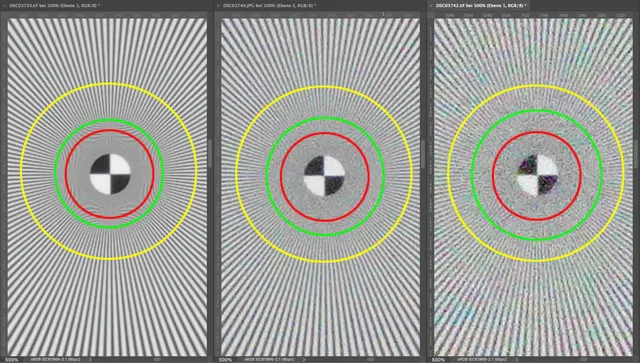
Resolution assessment is one of the most important methods for camera characterization. During its analysis, one question often arises: does a resolution measurement remain meaningful when the image is heavily affected by noise? High noise levels make it more difficult to evaluate the actual detail reproduction capabilities of a camera system. A recent study conducted as part of ISO standardization activities demonstrates that the Siemens-star MTF10 value continues to represent the visually perceived resolution limit reliably, even under these conditions.
Read more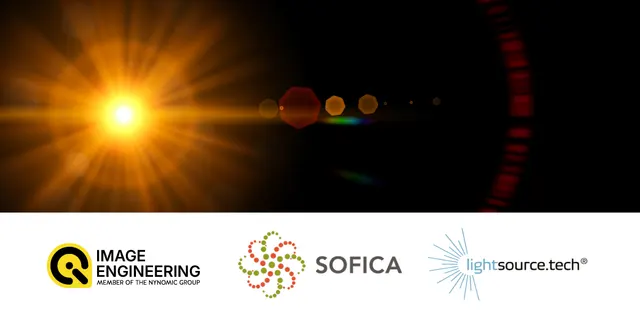
Stray light can significantly affect camera performance, particularly in demanding lighting conditions. To reliably compare and evaluate cameras under such circumstances, reproducible measurement methods are essential. The FLARE System combines controlled illumination, precise positioning, and automated analysis into a standardized workflow for flare characterization.
Read more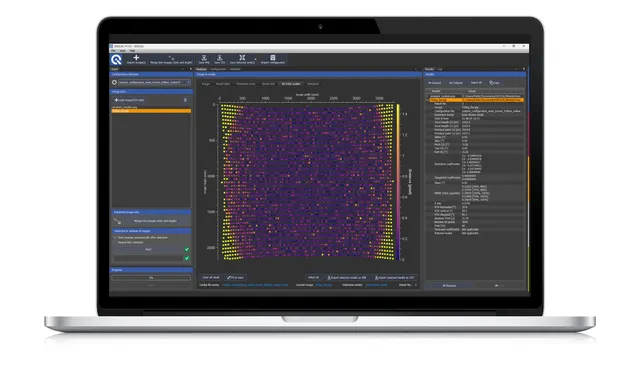
Wide fields of view, specialized lenses, and custom camera designs place growing demands on geometric characterization. With the latest version of the GEOCAL software, version 1.5, we expanded our software’s features with new analysis models, more flexible workflows, and additional automation capabilities that support users in demanding calibration tasks.
Read more
More and more image processing is taking place directly on edge devices. As a result, the demands placed on intelligent vision systems continue to grow, as do the requirements for the image data on which their decisions are based. Through our membership in the Edge AI and Vision Alliance, we contribute our expertise in image quality and camera testing to an international community.
Read more
Modern vehicles no longer observe only their surroundings. Driver and Occupant Monitoring Systems (DMS/OMS) analyze what happens inside the cabin, from gaze direction and driver drowsiness to occupant position and behavior. Many of these systems rely on invisible NIR illumination. To ensure reliable performance, they must also be tested under those exact conditions.
Read more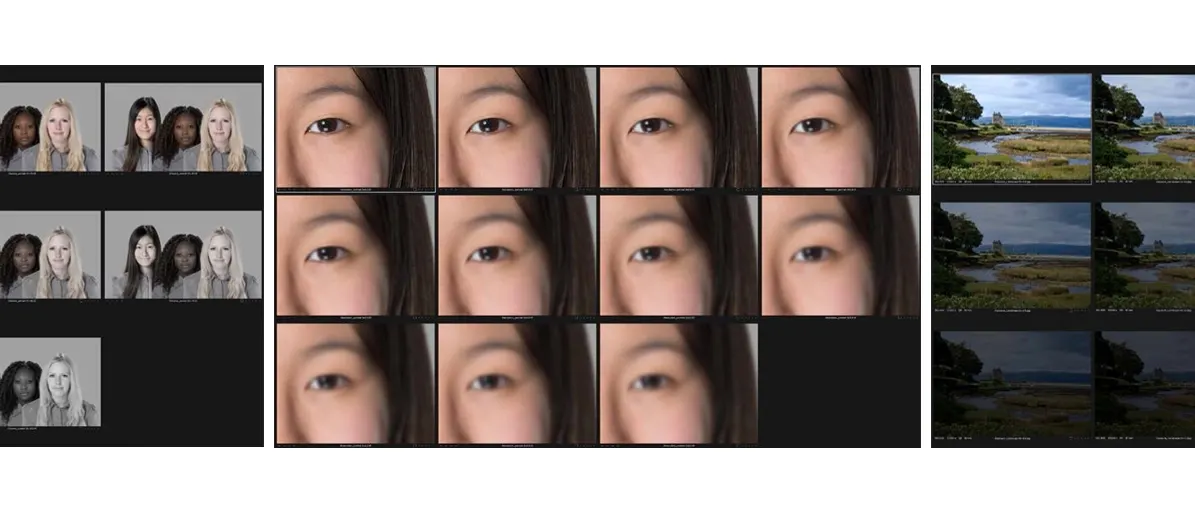
Resolution, noise, and dynamic range can be measured with great precision. But at what point do changes actually become visible to people, and when are images still considered acceptable? A recent study investigates how different image quality parameters are perceived and shows how technical measurements can be linked to human evaluation.
Read more
31 years of Image Engineering – a good reason to treat ourselves (and you) to a comprehensive website relaunch. Our goal was not only a fresher look, but also more value for you as users. Below is a summary of what’s new …
Read more
July 2025 marks the 30th anniversary of Image Engineering's founding. CEO Dietmar Wüller reflects on the journey and announces leadership transition.
Read more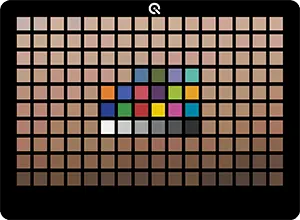
Introducing the TE300 Skin Tone Checker: a modern tool for assessing skin tone accuracy in camera systems with real-world spectral data.
Read more