
Industry Overview
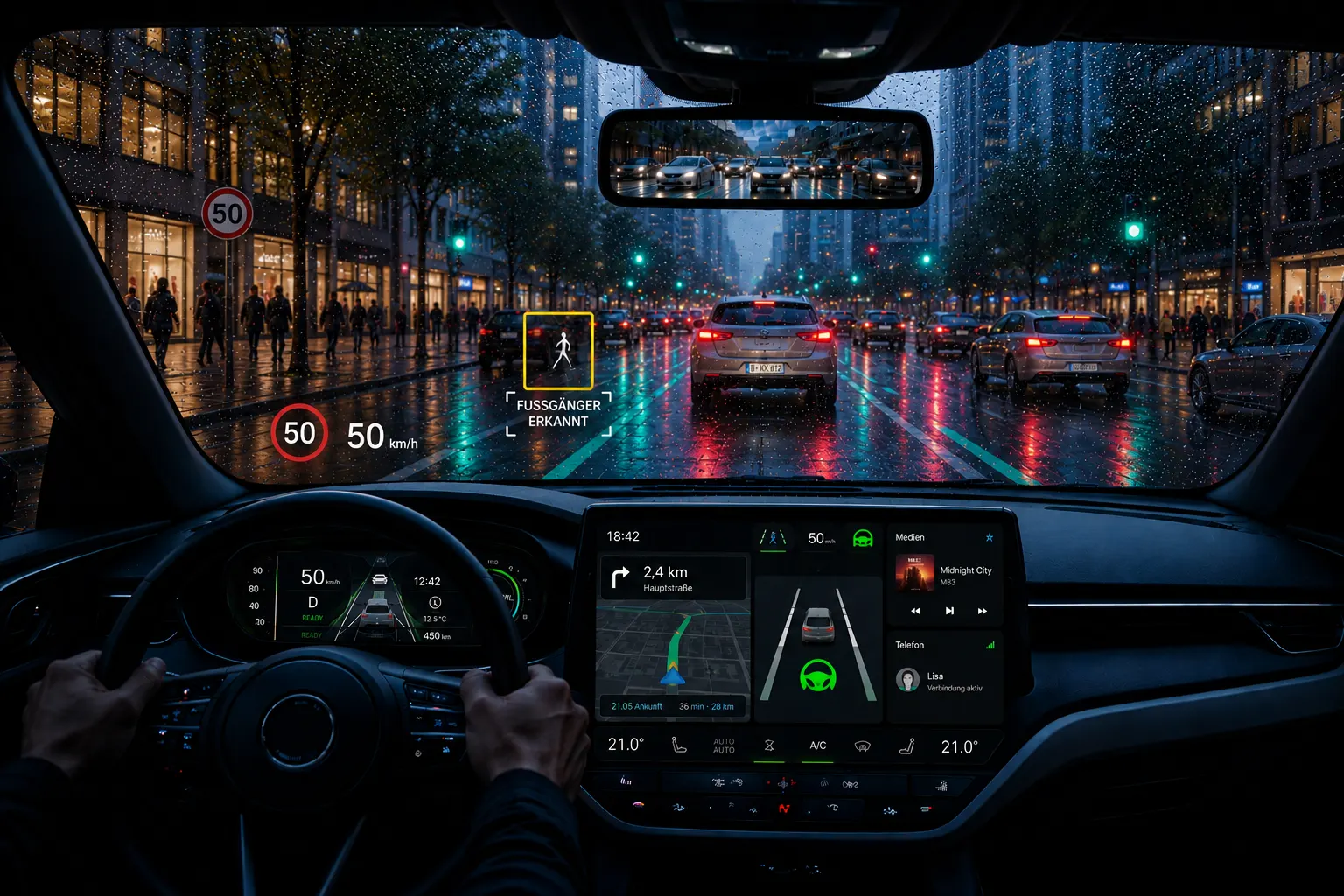
Over the past two decades, an increasing number of cameras have been integrated into automobiles, and today, advanced driver assistance systems (ADAS) have become indispensable in modern cars.
Image quality is the foundation of how automotive cameras and sensor systems "see" the world. Cameras are used to recognize lanes, vehicles, pedestrians, traffic signs, and obstacles, often in situations where decisions must be made in fractions of a second.
When contemplating self-driving vehicles, many people envision a vehicle where one gets in and is transported to the destination, allowing for the use of drive time for other activities, such as work, watching television, or simply sleeping. To make this vision a reality, the vehicle sensor systems must function reliably regardless of time of day, weather, lighting, or road conditions.
Without properly calibrated and characterized systems, images may become blurry, noisy, poorly exposed, or distorted, and the system may misinterpret what's happening on the road. On top of that, these systems must perform the same at night, in extreme weather conditions such as bright sunlight and heavy fog, and in other complex urban environments with lots of variables.
Doing these performance tests requires advanced tools and solutions. At Image Engineering, we offer solutions that align with industry trends, address testing challenges (e.g., simulating extreme weather), and meet international standards.
In addition, we recently entered into a strategic partnership with Solectrix to offer advanced solutions for various imaging projects, with a particular focus on the automotive sector. The partnership focuses on SXIVE 2.0, a comprehensive image prototyping solution for image processing and analysis, including rapid prototyping, development, and sensor and ISP evaluations. It also provides modular reference platforms, is test-drive-ready, and is suitable for acceptance testing. SXIVE has implemented our iQ-Analyzer-X for advanced image and video quality analysis.
Main Applications
Automotive camera systems cover a broad spectrum of applications that contribute to vehicle safety, comfort, performance and autonomy.
IEEE-2020 Image Quality Standard
In-Cabin Performance Testing
Geometric Camera Calibration
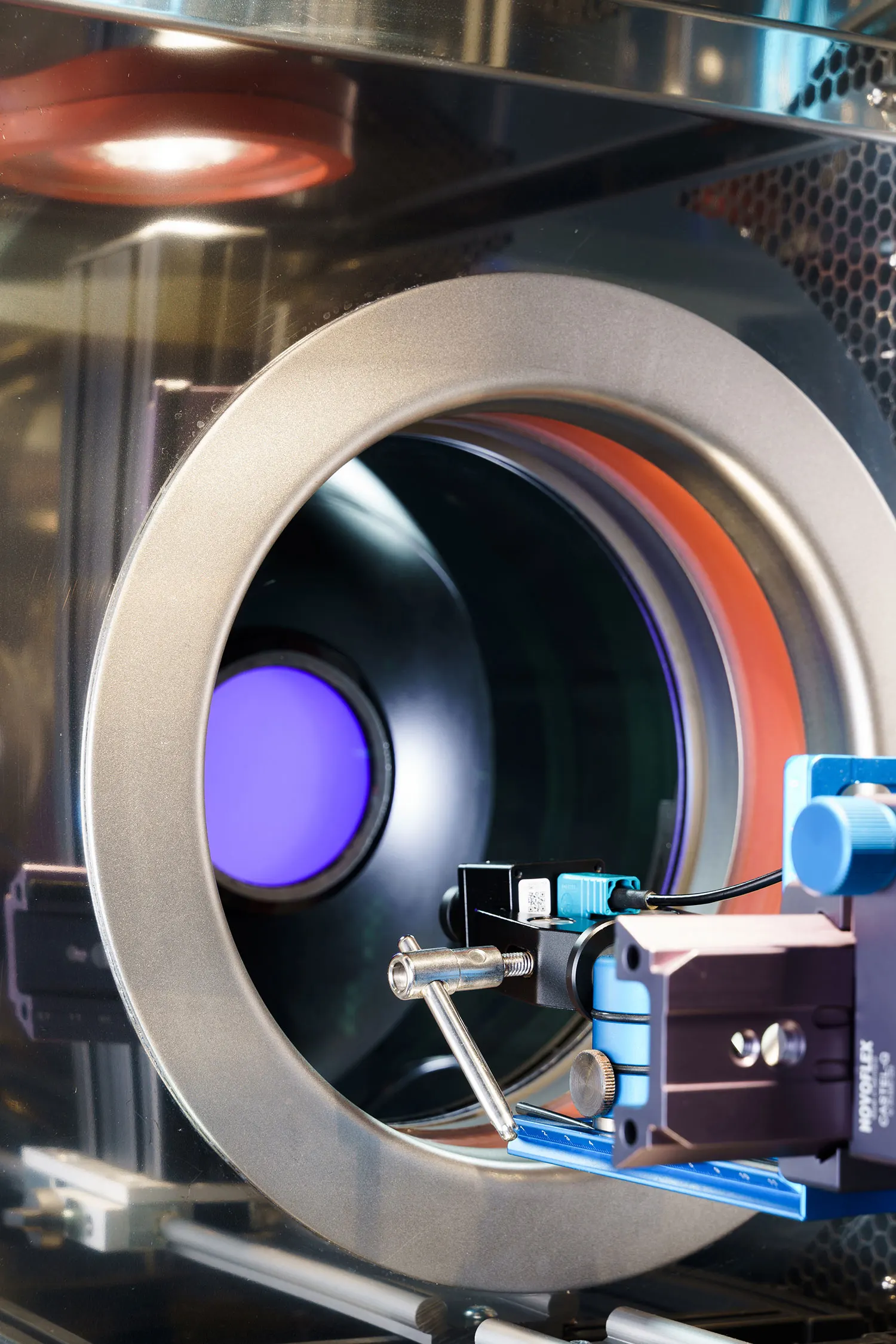
Climate-Controlled Testing
Incorporating various weather scenarios into automotive camera testing is crucial to understanding if these systems can still meet their performance thresholds in even the harshest weather conditions.
Key Products & Solutions
We offer a wide range of test solutions for all of the most crucial automotive camera applications and performance metrics.
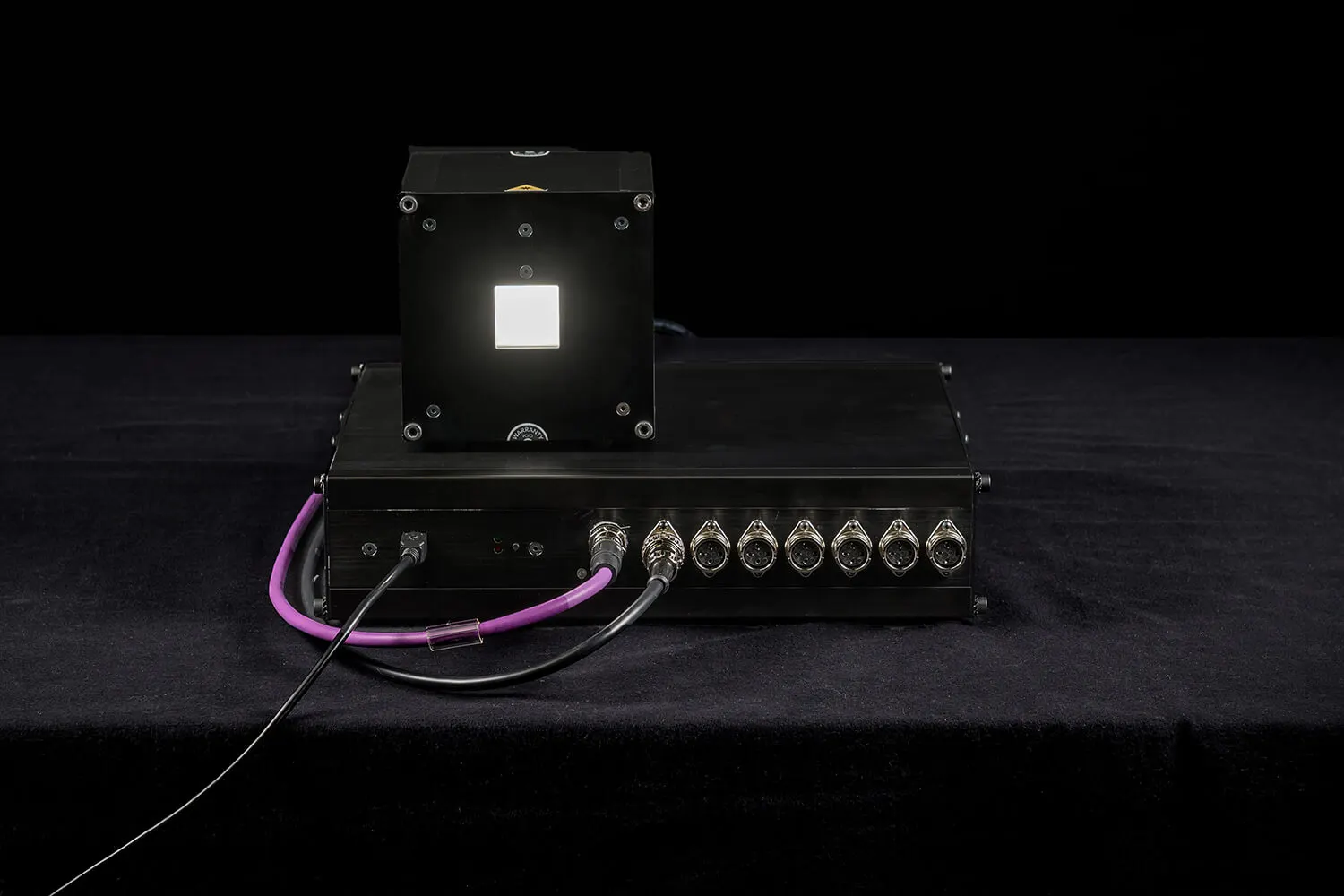
Arcturus & Vega
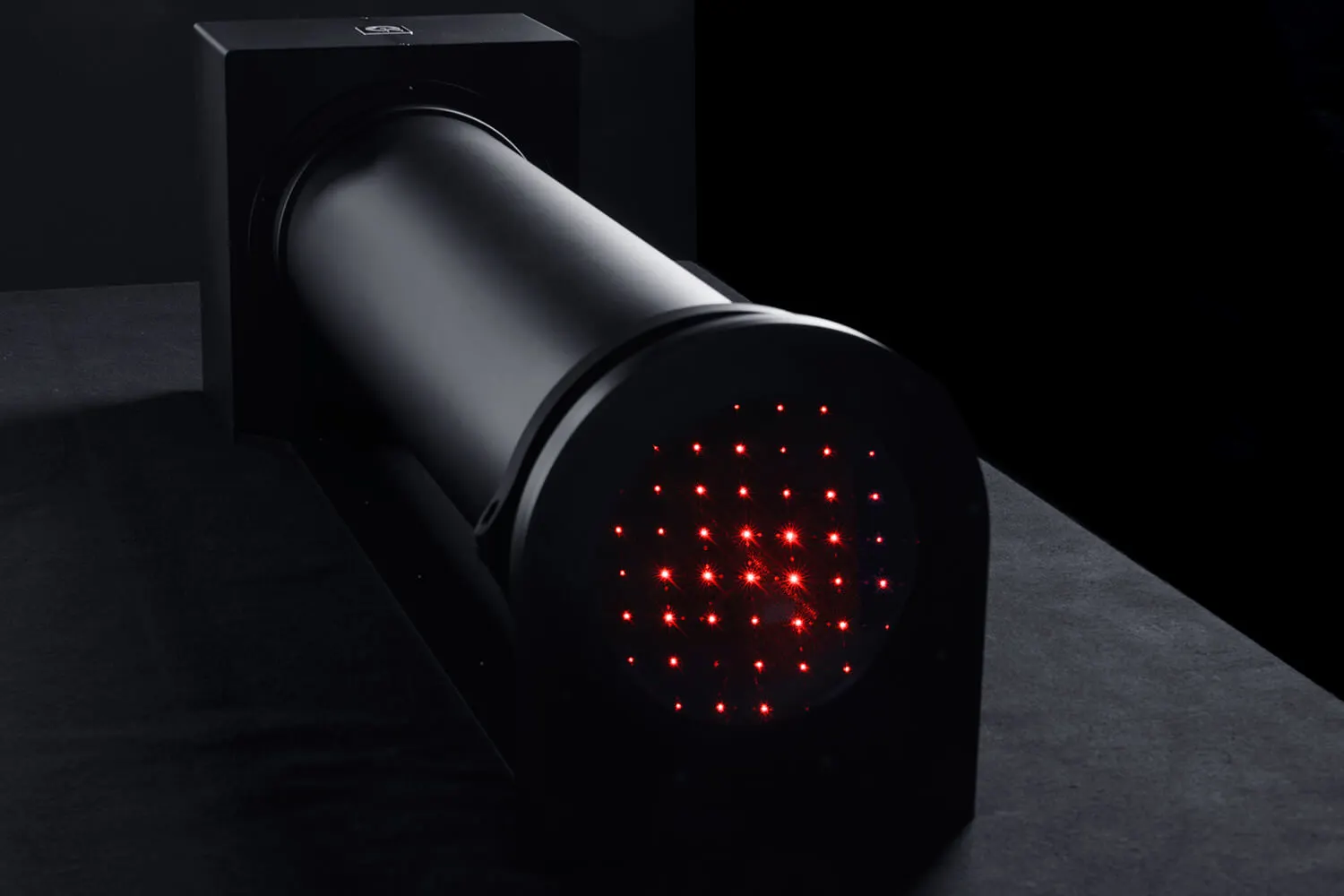
GEOCAL
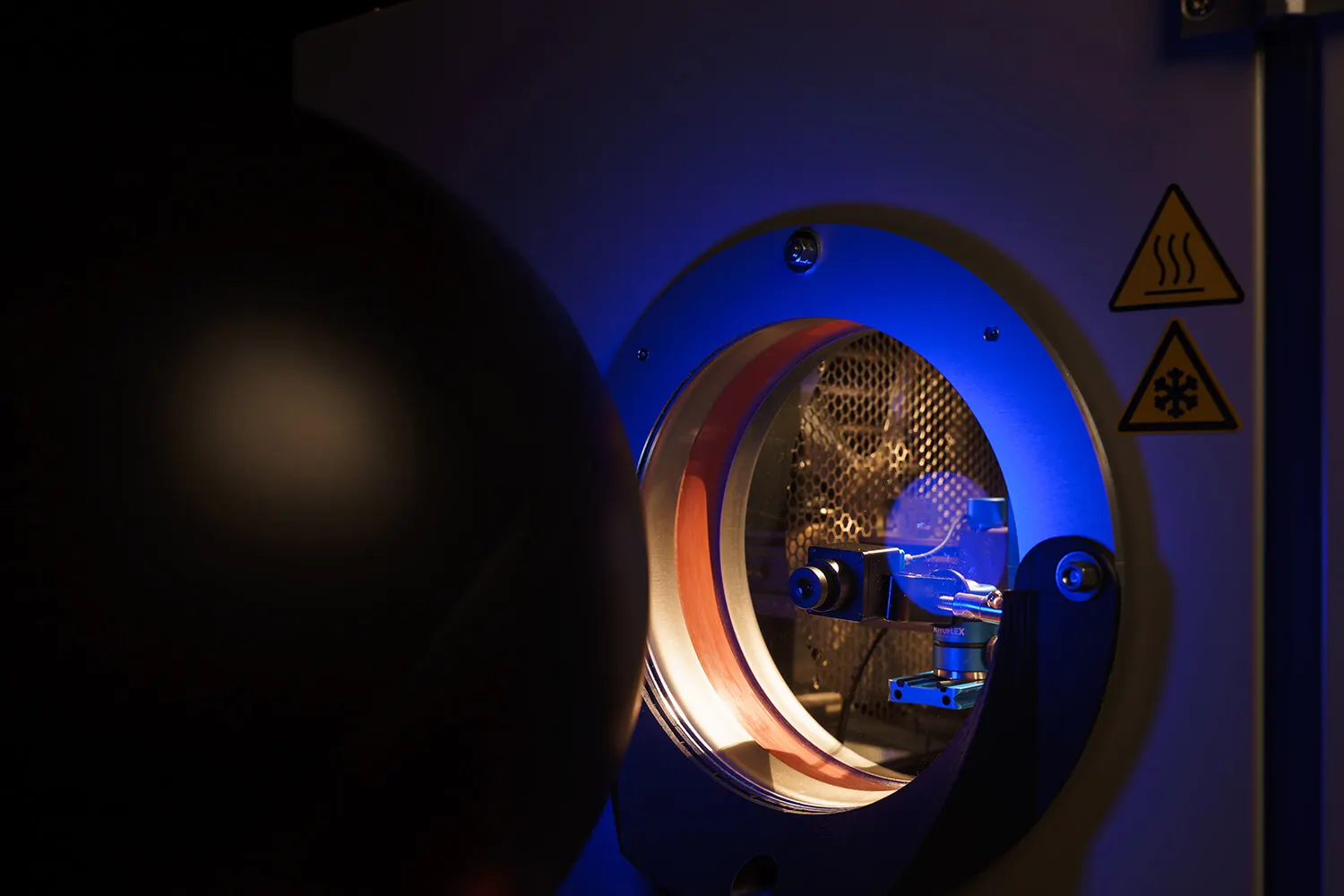
iQ-Climate Chamber
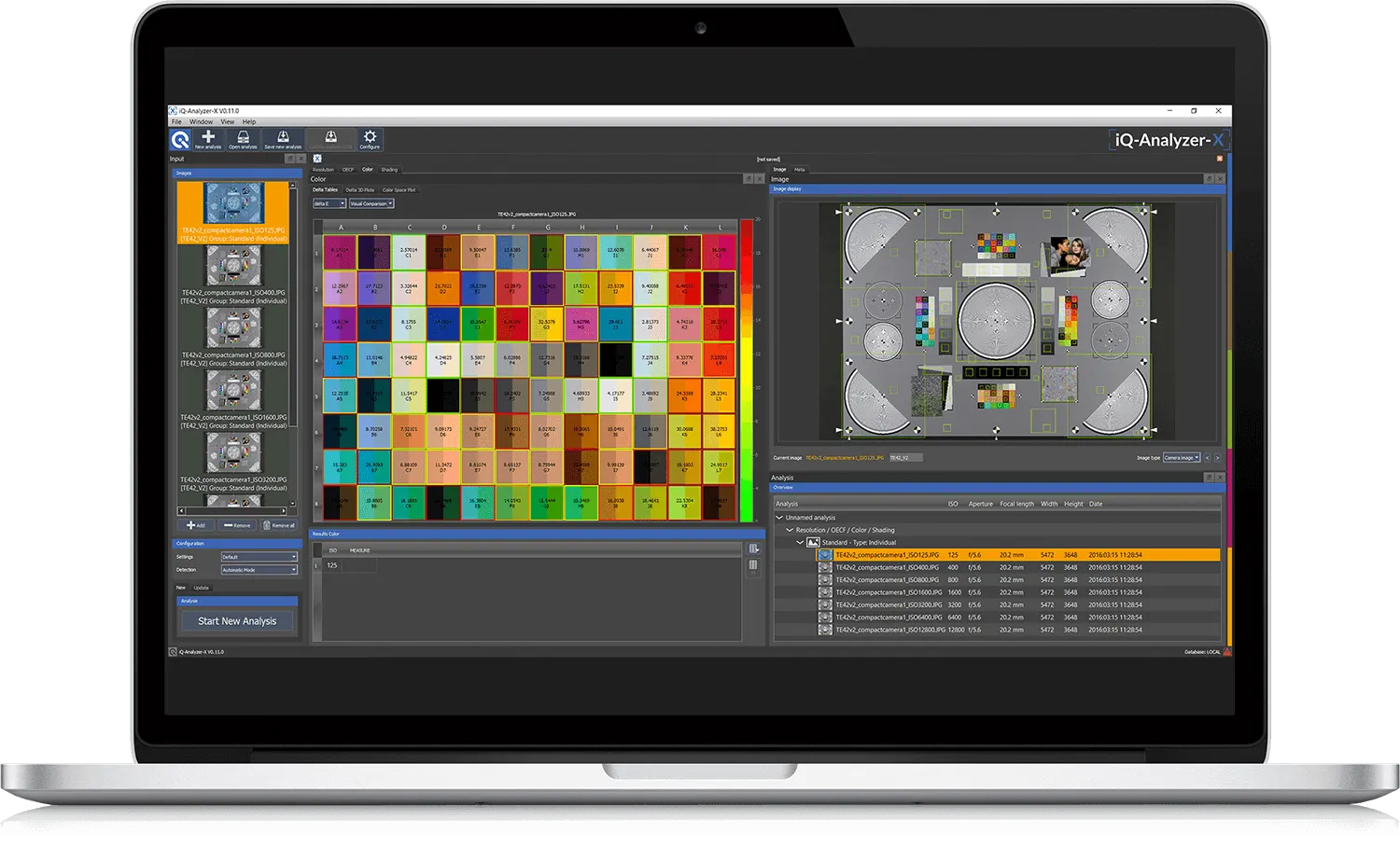
iQ-Analyzer-X
Advanced software for evaluating the performance of various image quality factors.
Automotive Camera Image Quality Testing Services
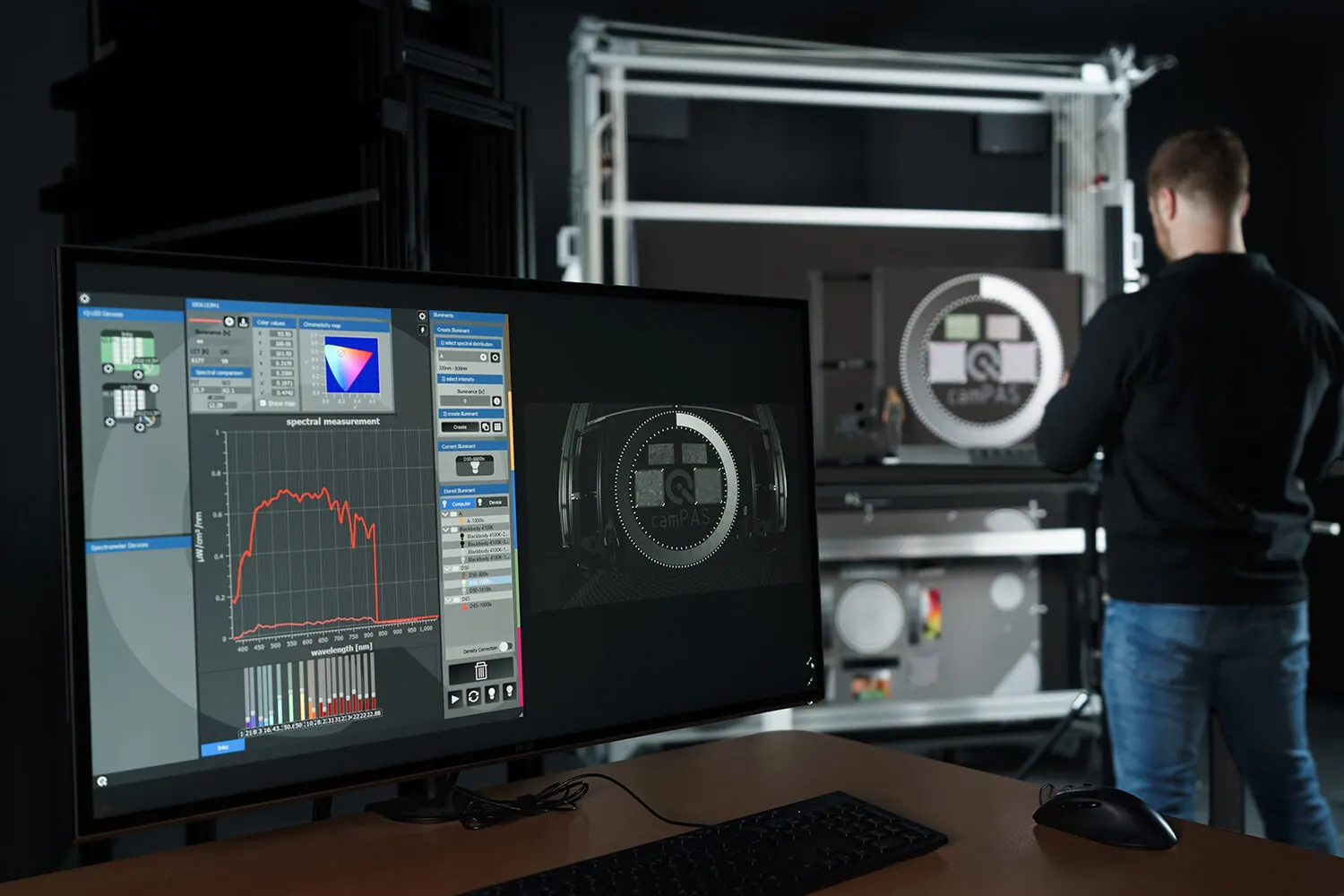
Let us test your cameras!
Welcome to our Image Quality Test Lab, one of the world’s largest independent camera test labs. We offer a wide range of tests for the automotive industry, including the camPAS (Camera Performance for Automotive Systems) test.
The camPAS test was developed for clients who need independent and objective test results from a neutral third-party to support their development decisions. camPAS, like most of our testing services, can be tailored to meet your specific KPI requirements.
Want to learn more?
Don’t hesitate to reach out to our iQ-Lab team to discuss your requirements and all of our test service options.
International Standards relevant to Automotive
A look at the crucial industry standards for automotive image quality performance testing and evaluation.
IEEE-2020:2024
EMVA 1288/ISO 24942
ISO 19093
ISO 19093 outlines measurement methods and metric thresholds for evaluating the performance of a camera system under various low-light conditions.
Example Test Solutions
Test Setup 1: IEEE-2020
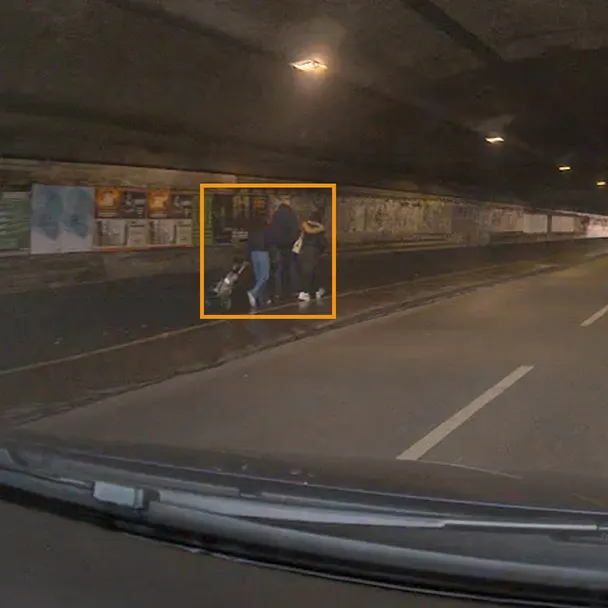
The goal of this test solution is to evaluate the image quality key performance indicators (KPIs) described in the IEEE-2020 international standard for ADAS applications in the automotive industry. The KPIs in the standard include: contrast indicators (Contrast transfer accuracy (CTA) and contrast signal-to-noise ratio (CSNR)), flicker (modulated light mitigation probability (MMP)), dynamic range, flare, noise, spatial frequency response (SFR), and geometric calibration.
Ideal equipment:
Versatile Light System (VLS)
Arcturus – High-intensity light source
TE294 and TE299 test charts
GEOCAL – Geometric calibrations
VLS-Evaluation Software
The setup is built around the Versatile Light System (VLS), which includes six Vega light sources mounted on individual arms (connected to a tripod) for flexible setup angles. The TE294 contrast charts and the TE299 color charts can be mounted on each Vega to evaluate color accuracy, contrast performance (CTA and CSNR), and dynamic range. In addition, Vega can simulate flicker for flicker-response analysis. The VLS-Evaluation Software can evaluate test results.
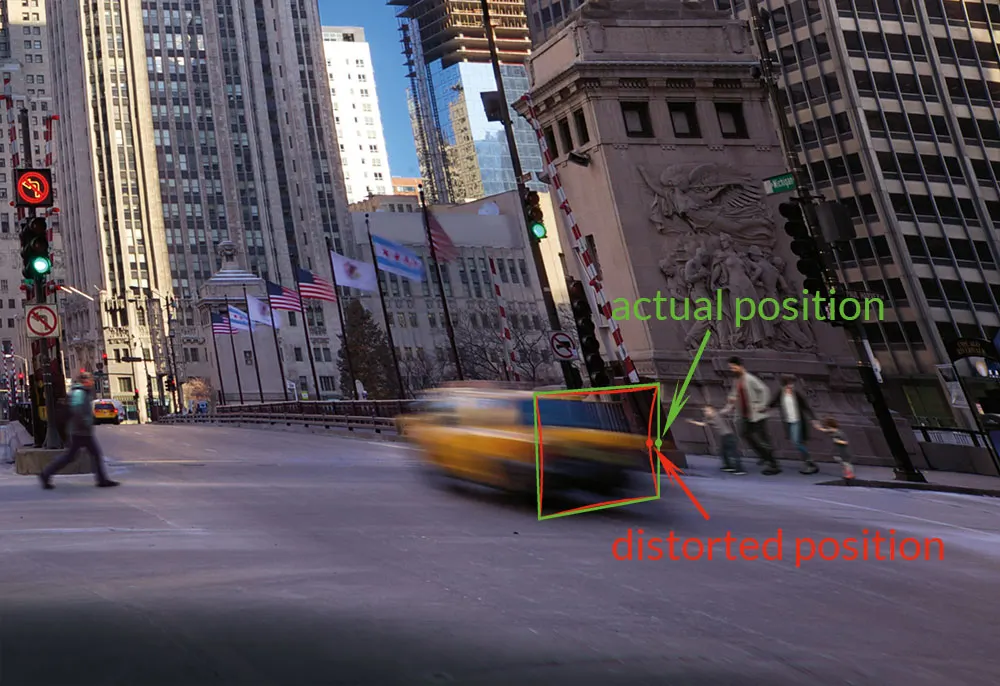
Arcturus is an additional light source that can generate very bright light (up to 1 Mcd/m²) with high stability and consistency. It is ideal for generating bright-light scenarios, such as direct sunlight. Finally, the GEOCAL is our compact device for geometric camera calibrations. It uses a beam-expanding laser and a diffractive optical element (DOE) to generate a grid of light spots originating from infinity.
Test Setup 2: In-Cabin Testing
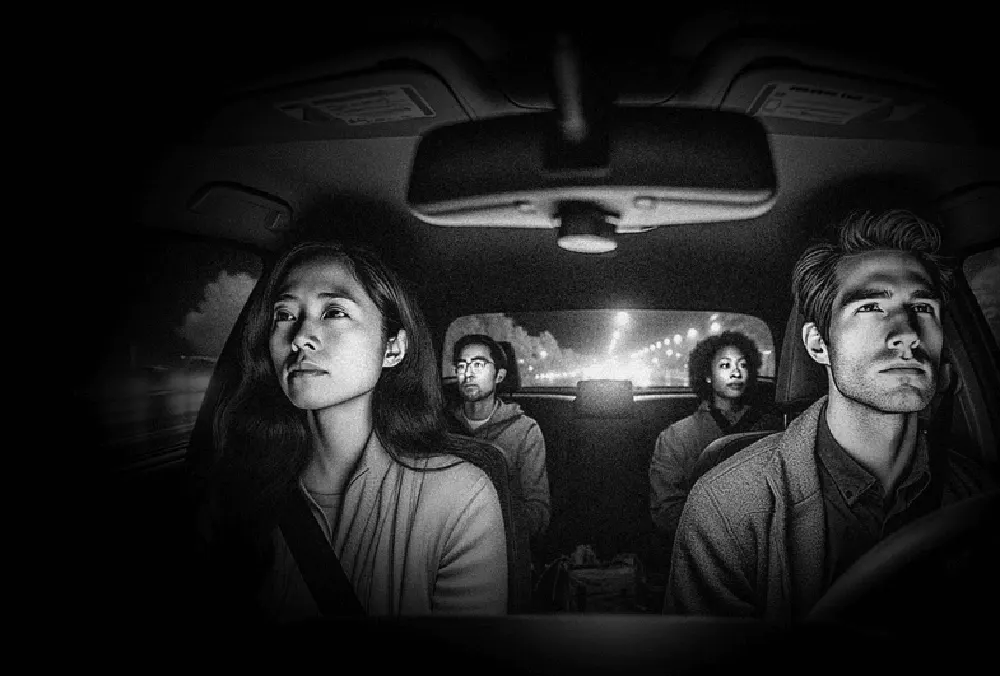
The goal of this test setup is to test the performance of in-cabin camera systems in the automotive industry. Metrics include resolution (SFR), distortion, dynamic range (OECF), noise (SNR), color accuracy, and camera timing accuracy.
Ideal equipment:
LE7 VIS-IR – Uniform illumination in the near-infrared (NIR) range
TE292 – Color calibration test chart
TE269 – Grayscale test chart
LED-Panel IR – Timing measurements in the NIR range
iQ-Analyzer-X – Analysis software
This test setup is built around near-infrared (NIR) devices because in-cabin cameras primarily use NIR sensors combined with active illumination (e.g., LED or VCSEL) to ensure accuracy in very low-light conditions while not distracting the driver and passengers. The LE7 VIS-IR lightbox can be mounted with various transparent* test charts and can generate NIR illumination using iQ-LED technology. The LED-Panel IR is ideal for timing parameters in the NIR range. Finally, the iQ-Analyzer-X can evaluate test results from the various test charts.
*We can create custom solutions, e.g., iQ-Flatlight VIS-IR for reflective chart illumination in the NIR range. Please contact our sales team.