IEEE-2020 Standard Testing
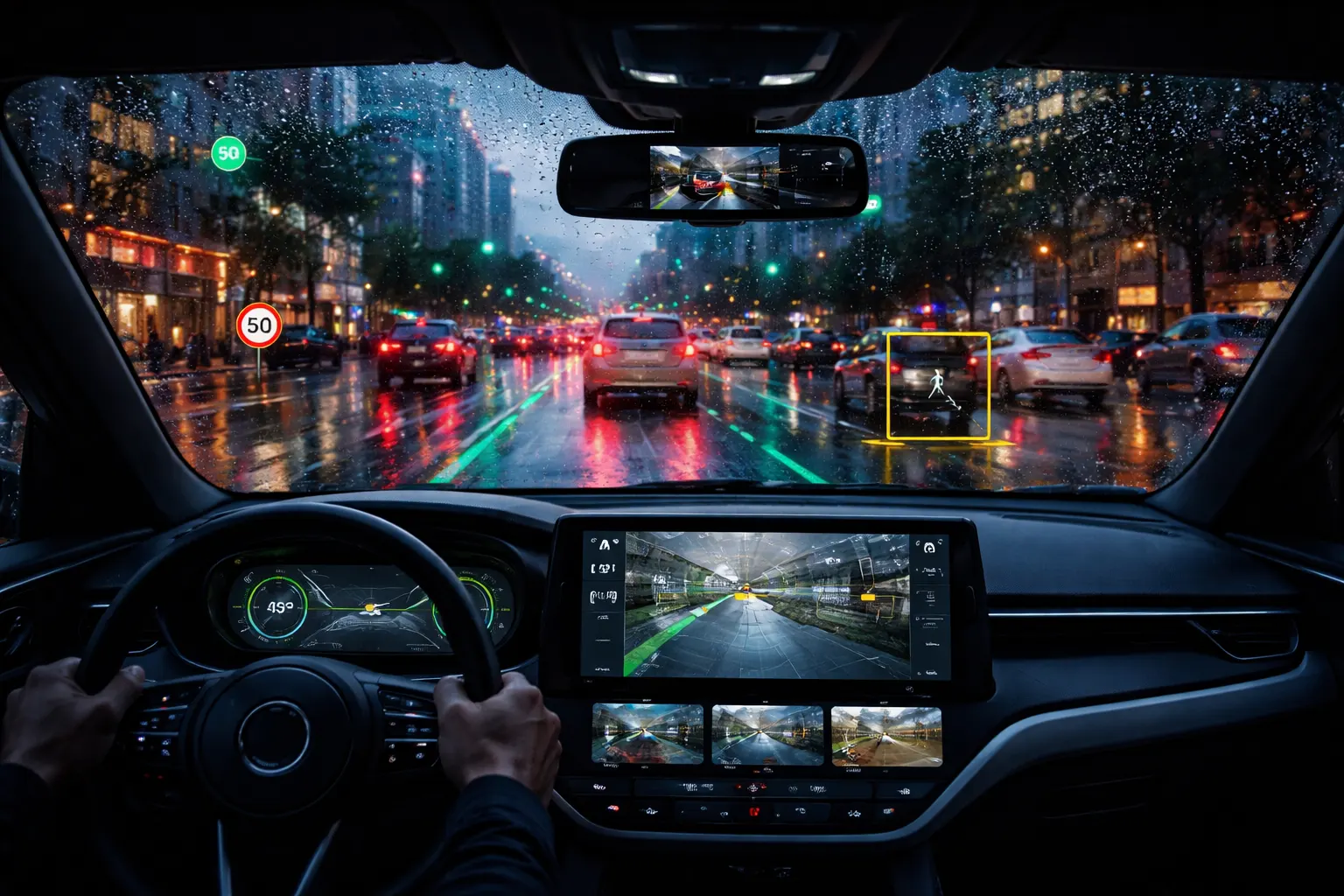
Following the publication of the IEEE-2020 standard in March 2025, the automotive industry now has a globally recognised framework for evaluating the image quality of ADAS camera systems. This milestone enables manufacturers and suppliers to benchmark performance using a consistent and reliable methodology.
The IEEE-2020 standard defines a comprehensive set of metrics, including contrast transfer accuracy (CTA), contrast signal-to-noise ratio (CSNR), spatial frequency response (SFR), dynamic range, noise, flare and geometric calibration. These KPIs are specifically designed to reflect real-world challenges in automotive environments, such as rapidly changing lighting conditions and complex traffic scenarios.
While some metrics are based on established imaging standards, others, such as CTA and Modulated Light Mitigation Probability (MMP), have been introduced to address the unique demands of ADAS applications. Together, these metrics provide a precise and objective way to evaluate how well camera systems detect, differentiate and interpret their surroundings, which has a direct impact on safety and system performance.
IEEE-2020 defines not only the metrics, but also the test methods for controlled laboratory environments. This ensures repeatability and comparability across different systems and development stages. As ADAS technologies continue to evolve, standardised testing becomes essential for ensuring consistent quality and regulatory compliance.
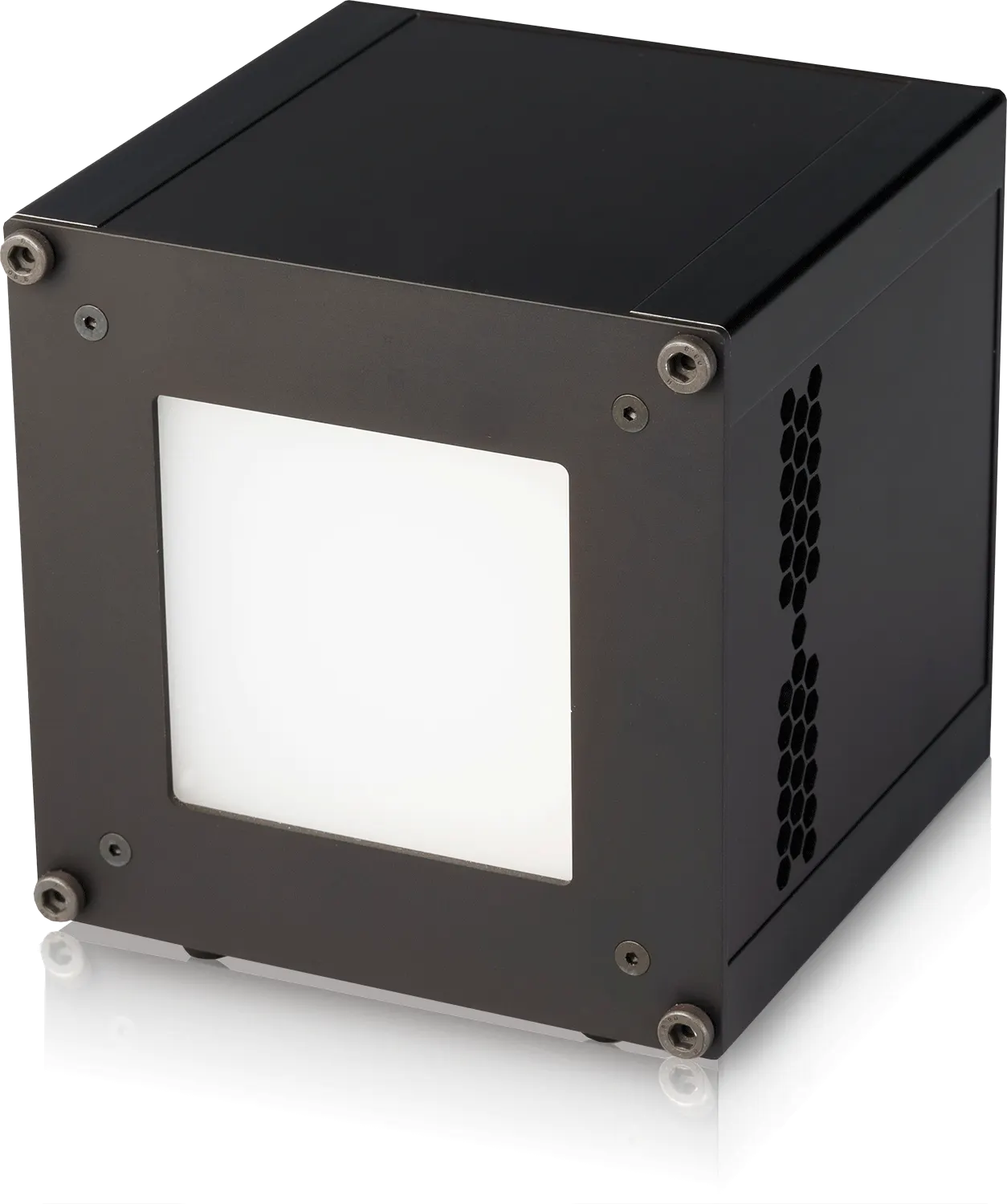
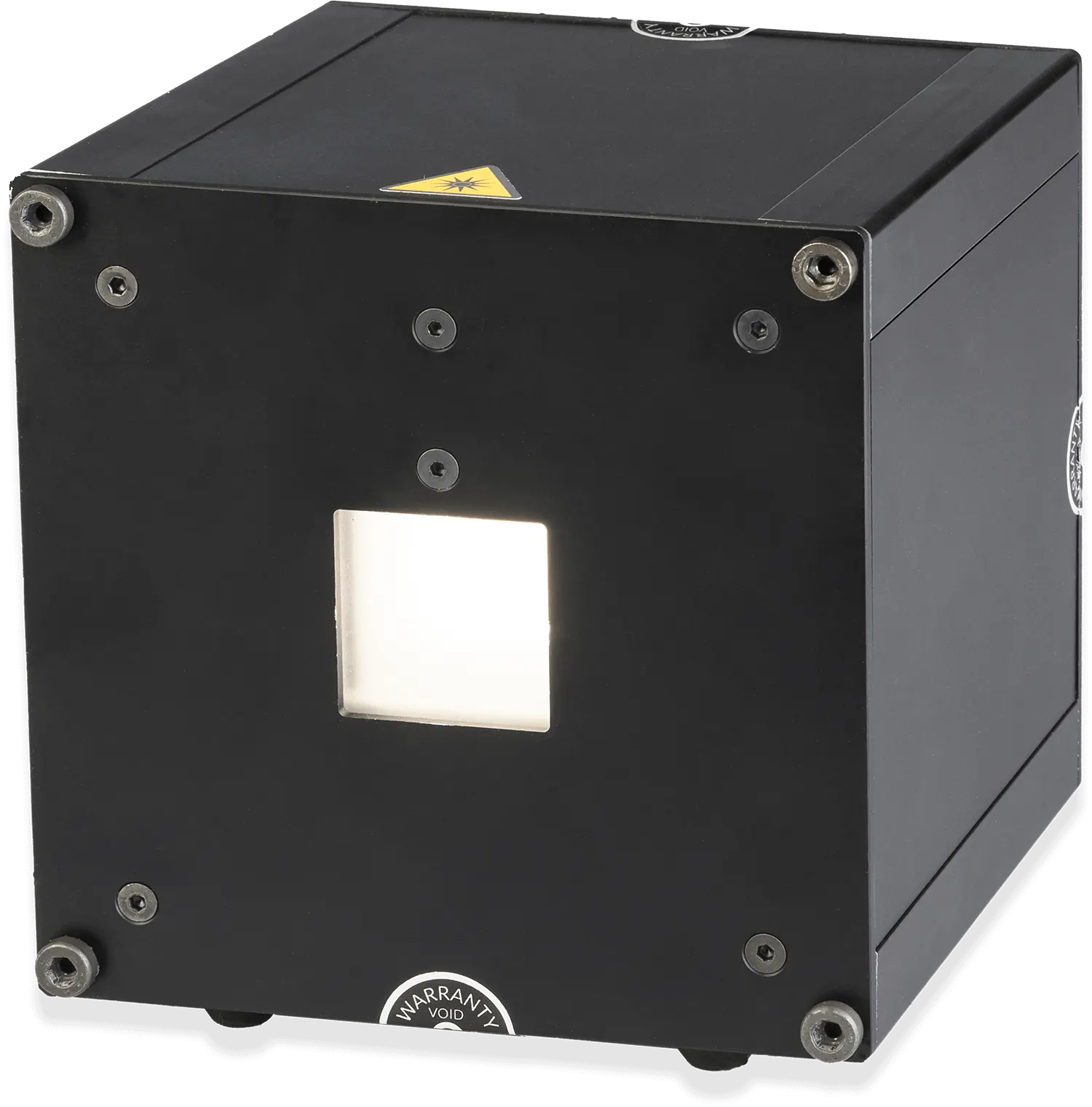
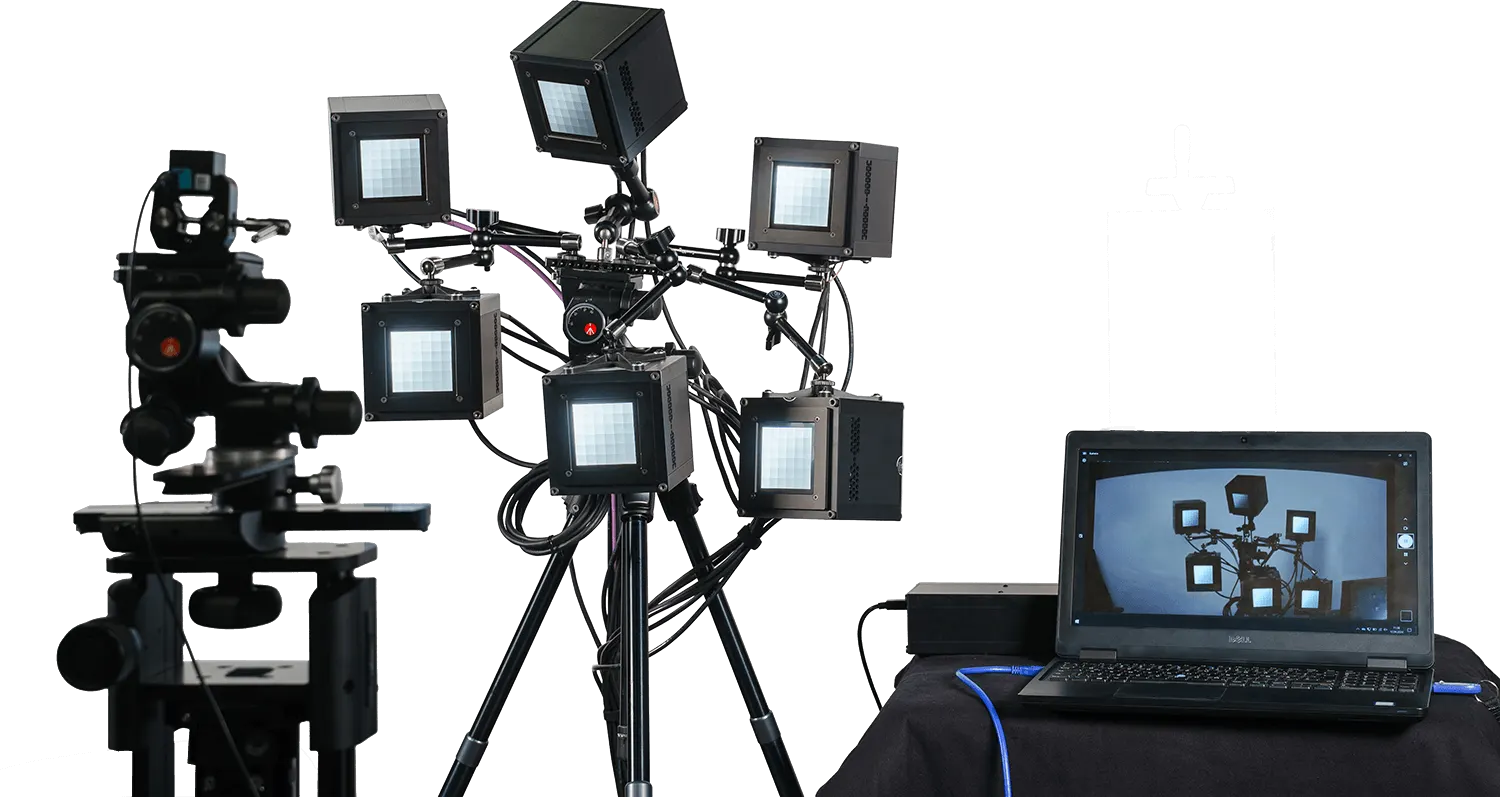
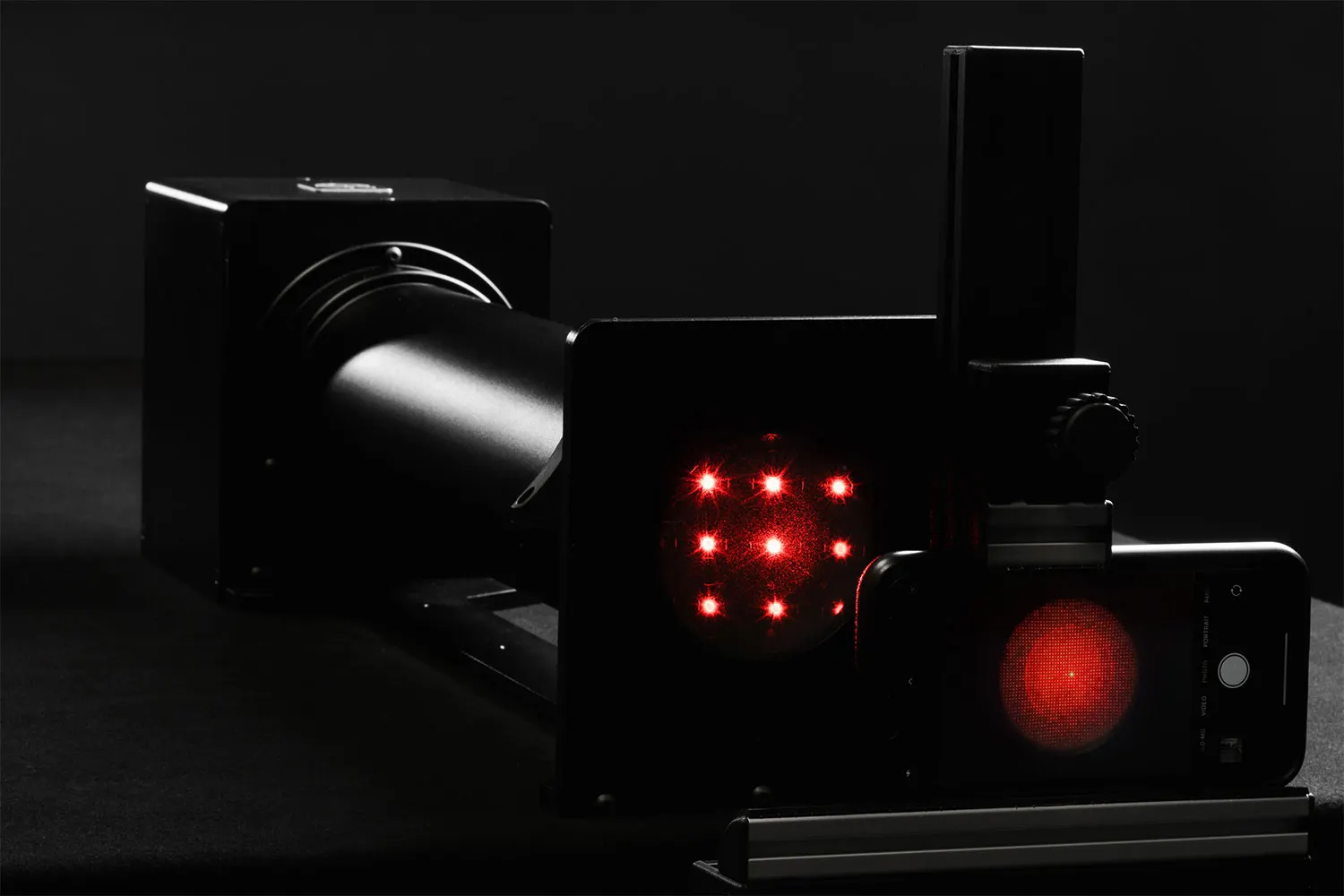
Image Engineering has been actively involved in developing IEEE-2020 from the outset. Our experts have contributed to shaping the standard and have developed dedicated test solutions tailored to each defined metric. With our in-depth knowledge of image quality and ADAS validation, we support our customers in building precise, efficient and future-ready test environments.
Solutions for testing according IEEE-2020
Find the right products for testing according to IEEE-Standard 2020.