

Challenges for cameras in automotive applications
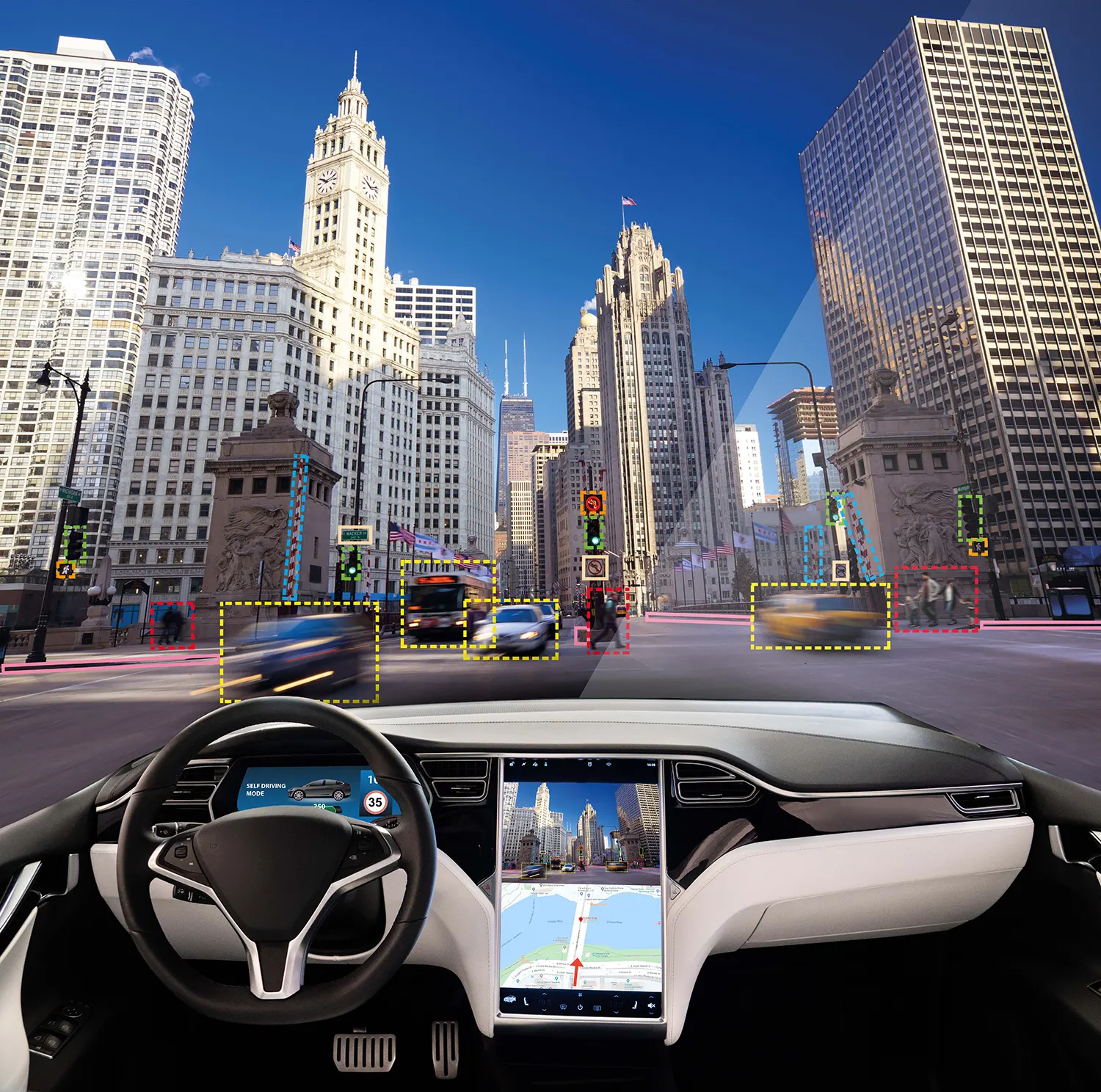
Cameras have become an indispensable part of modern vehicles. Among other things, they enable lane and traffic sign recognition and enhance safety at night. The sensor systems installed in vehicles must function reliably regardless of the time of day, weather conditions, lighting conditions, and road conditions.
Their growing importance stems from the trend toward autonomous driving. In this context, vehicles must interpret complex and rapidly changing environments with a high degree of accuracy. However, automotive cameras face significant challenges, including low-light conditions, extreme contrasts, rain, fog, dirt and grime, flicker from LED lighting, and regional variations in road markings. This is precisely where cameras reach their limits.
To overcome these limitations, manufacturers are combining advanced HDR sensors, precise calibration, and intelligent algorithms with complementary sensors such as radar, LiDAR, and thermal imaging cameras.
Conclusion
Reliable Vehicle Perception in Challenging Weather and Lighting Conditions
Core Vehicle Perception
Essential Camera Technology for Reliable Vehicle Perception
Environmental Challenges
Imaging Performance Under Harsh Weather and Lighting Conditions
Testing Solutions for Automotive Camera Systems
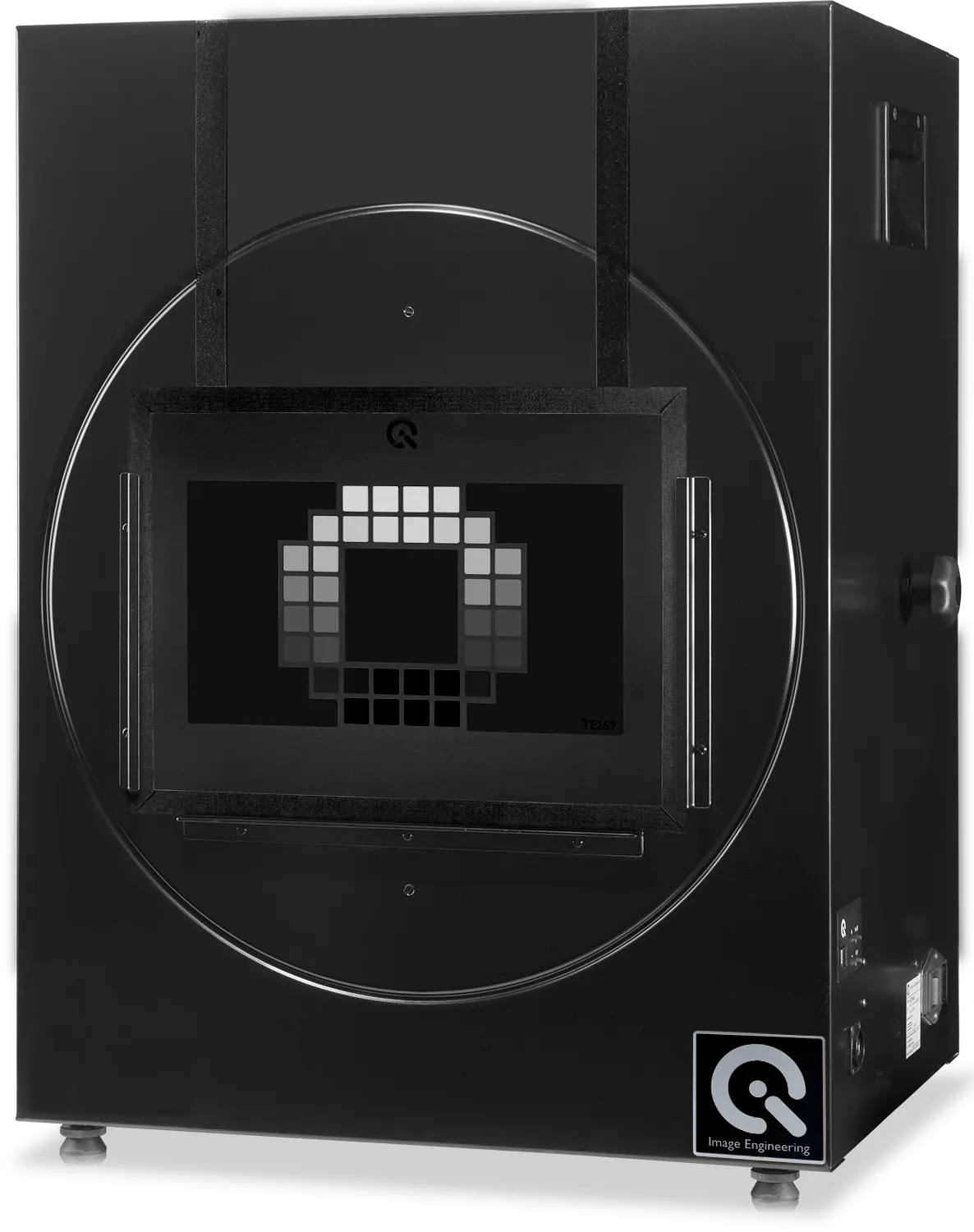
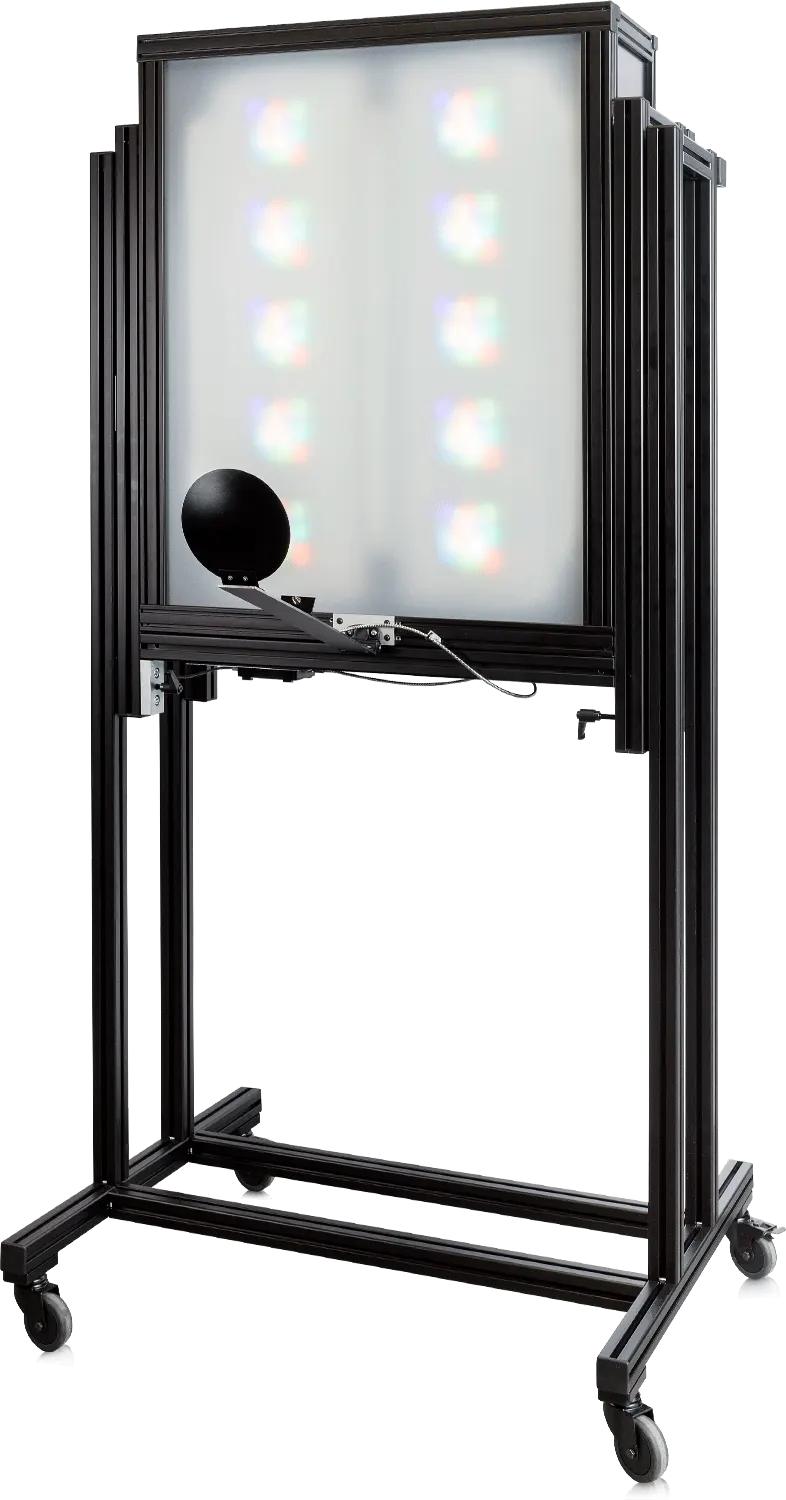
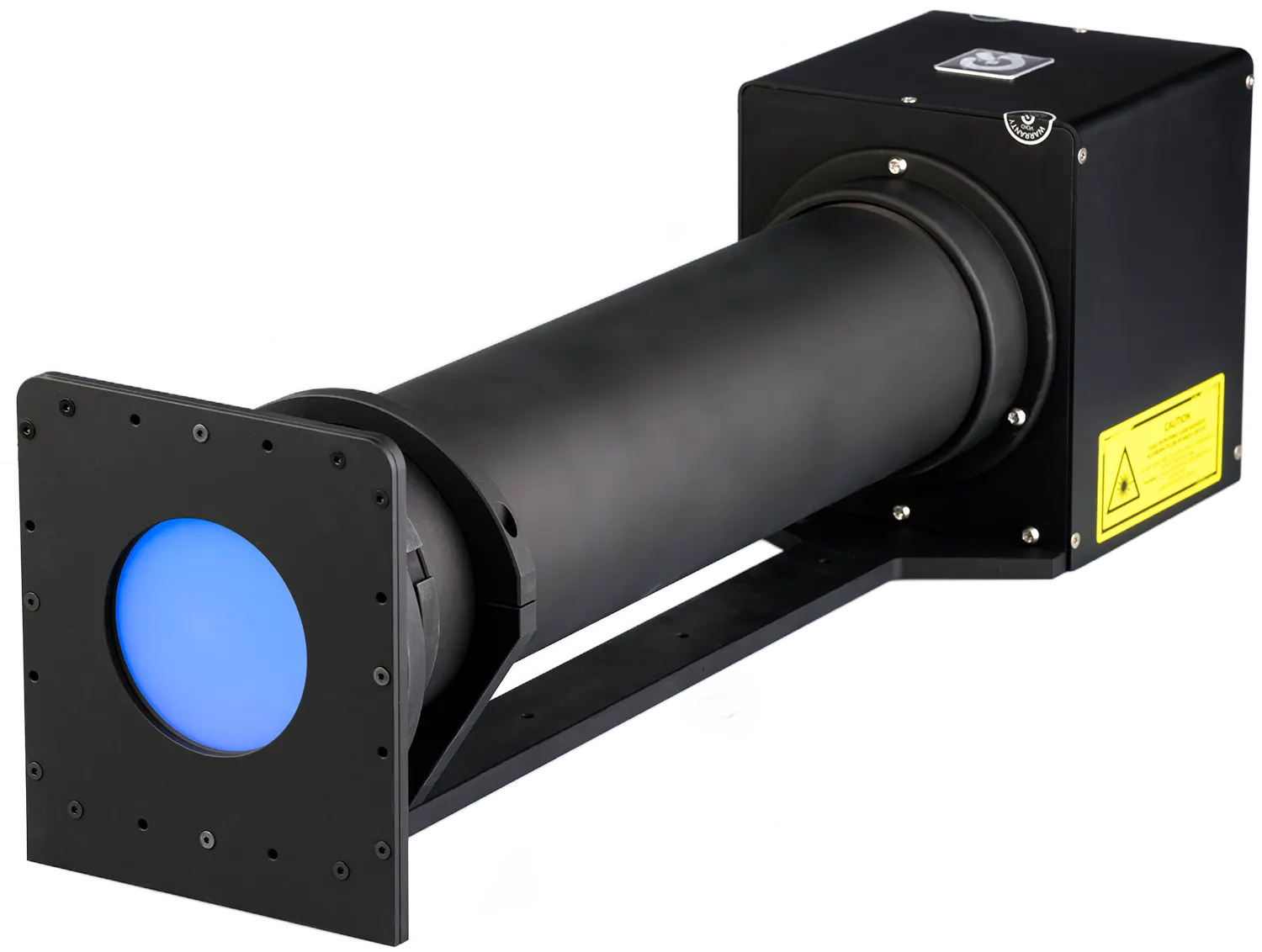
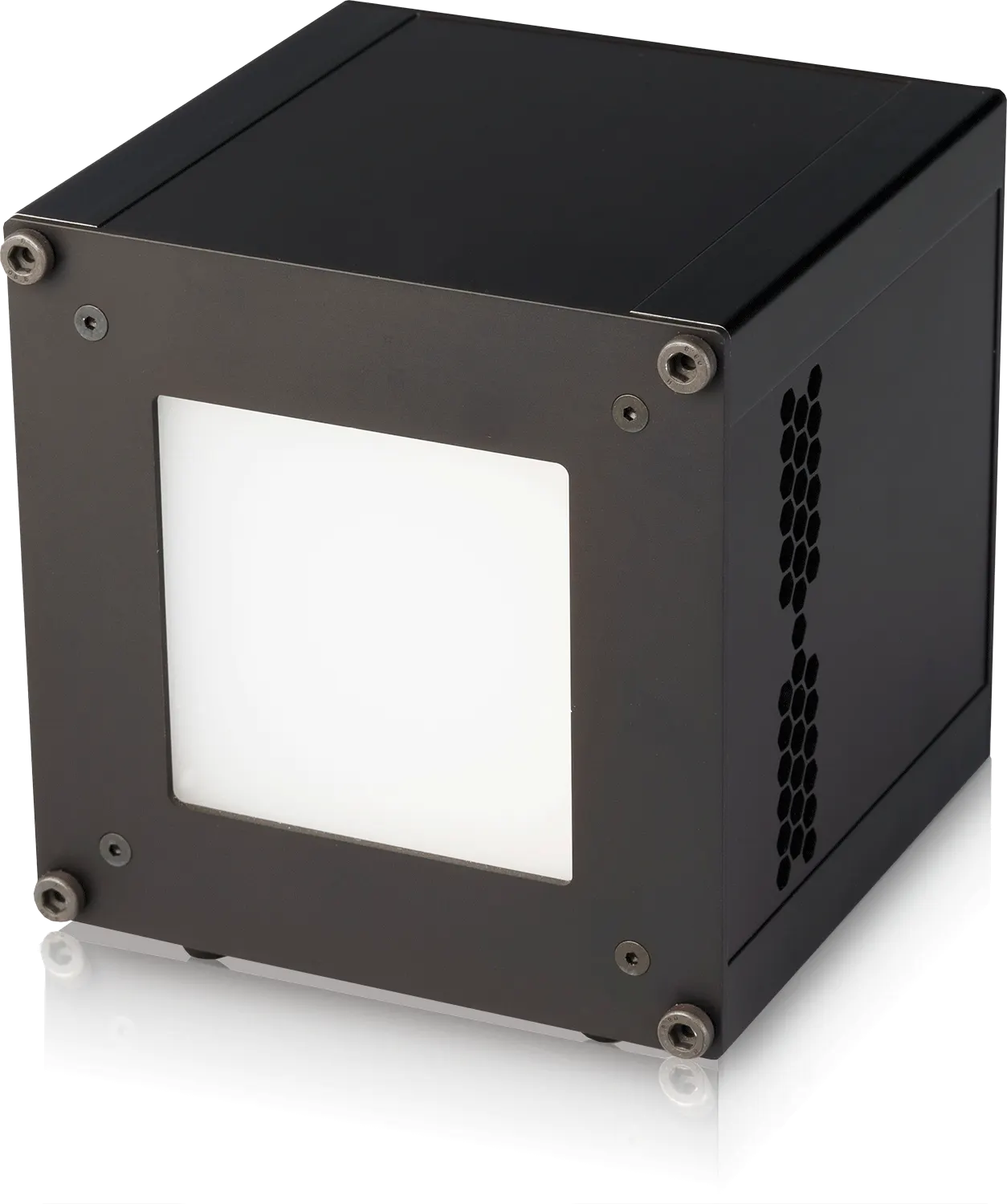
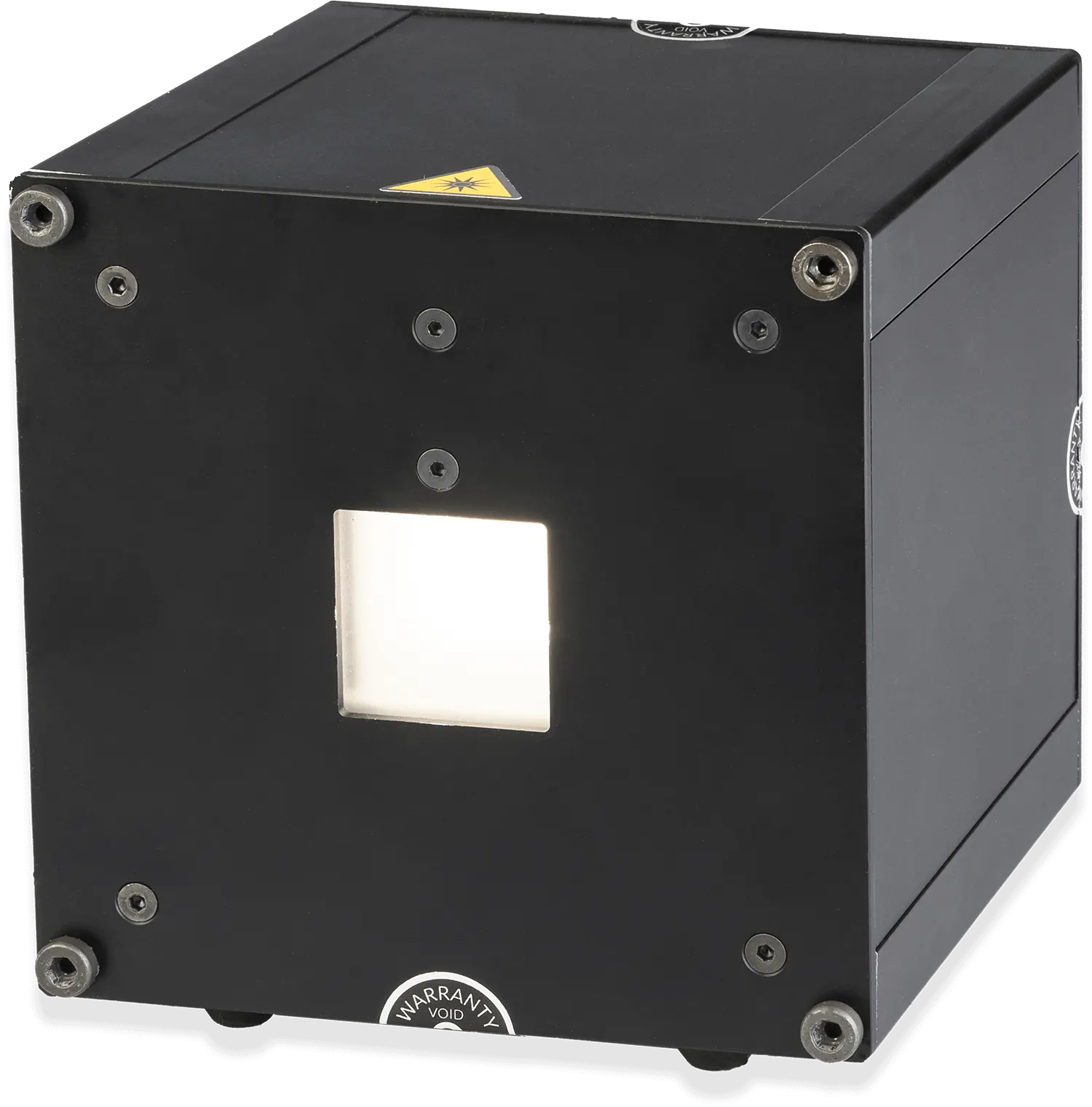
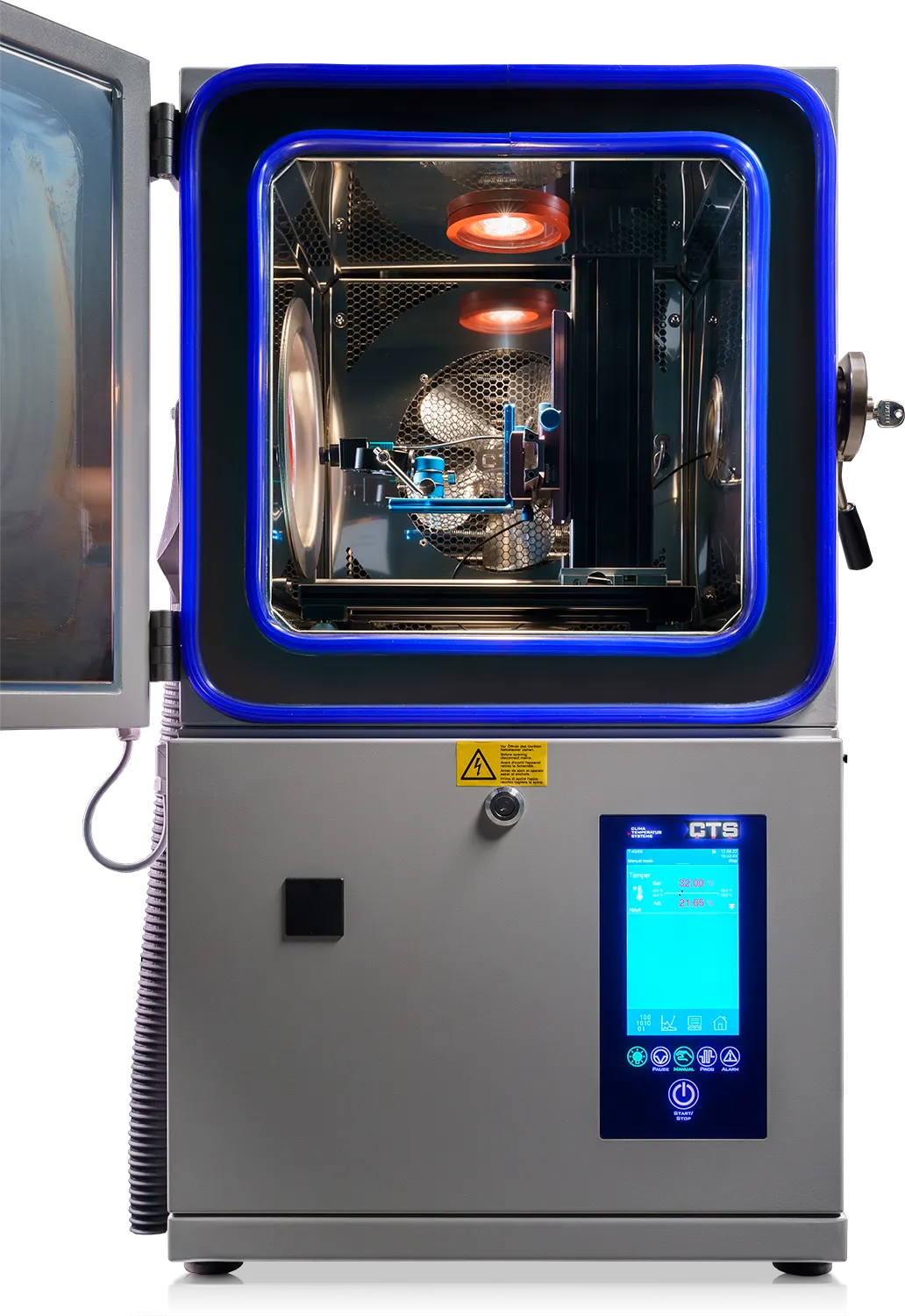
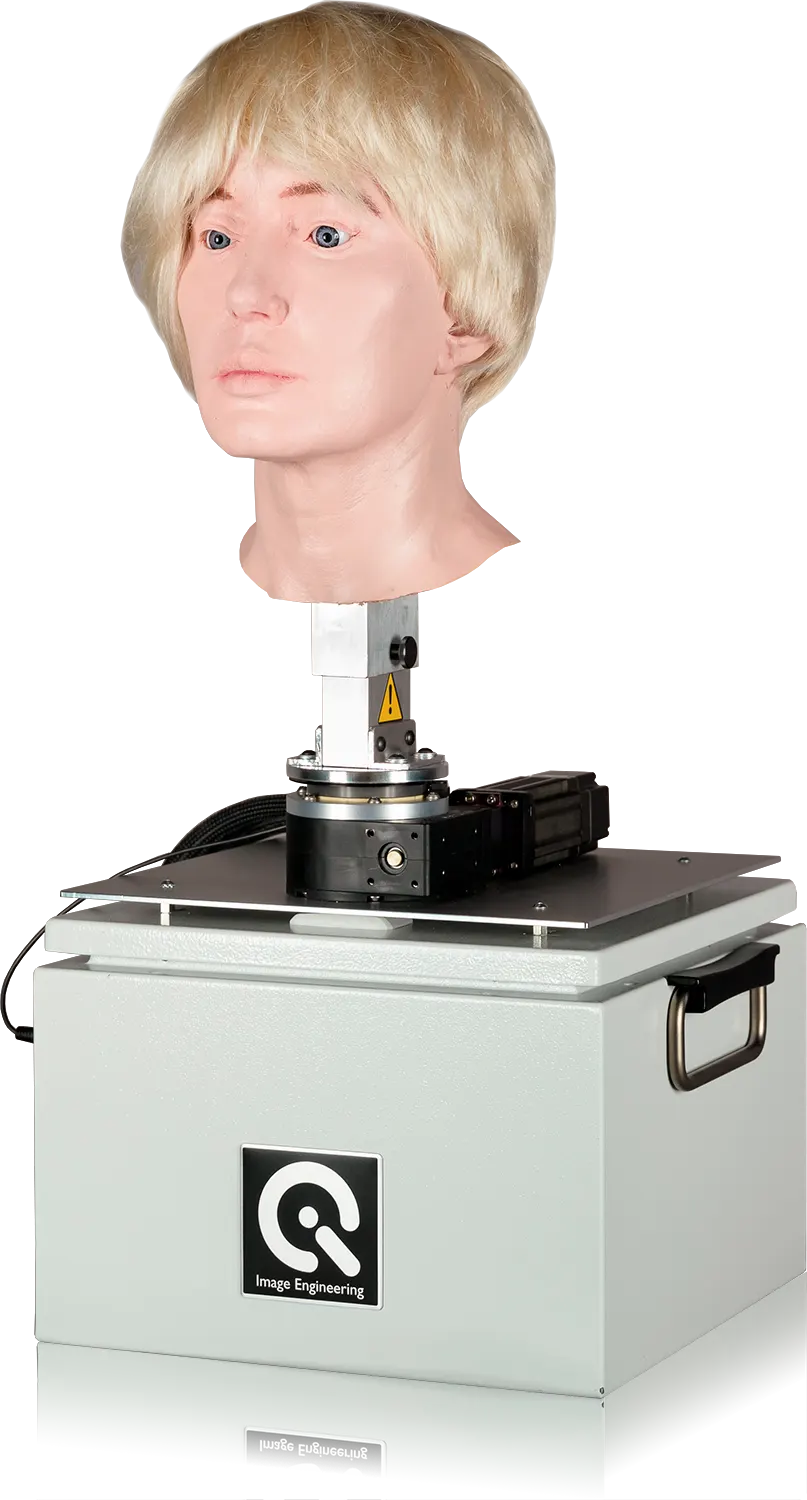
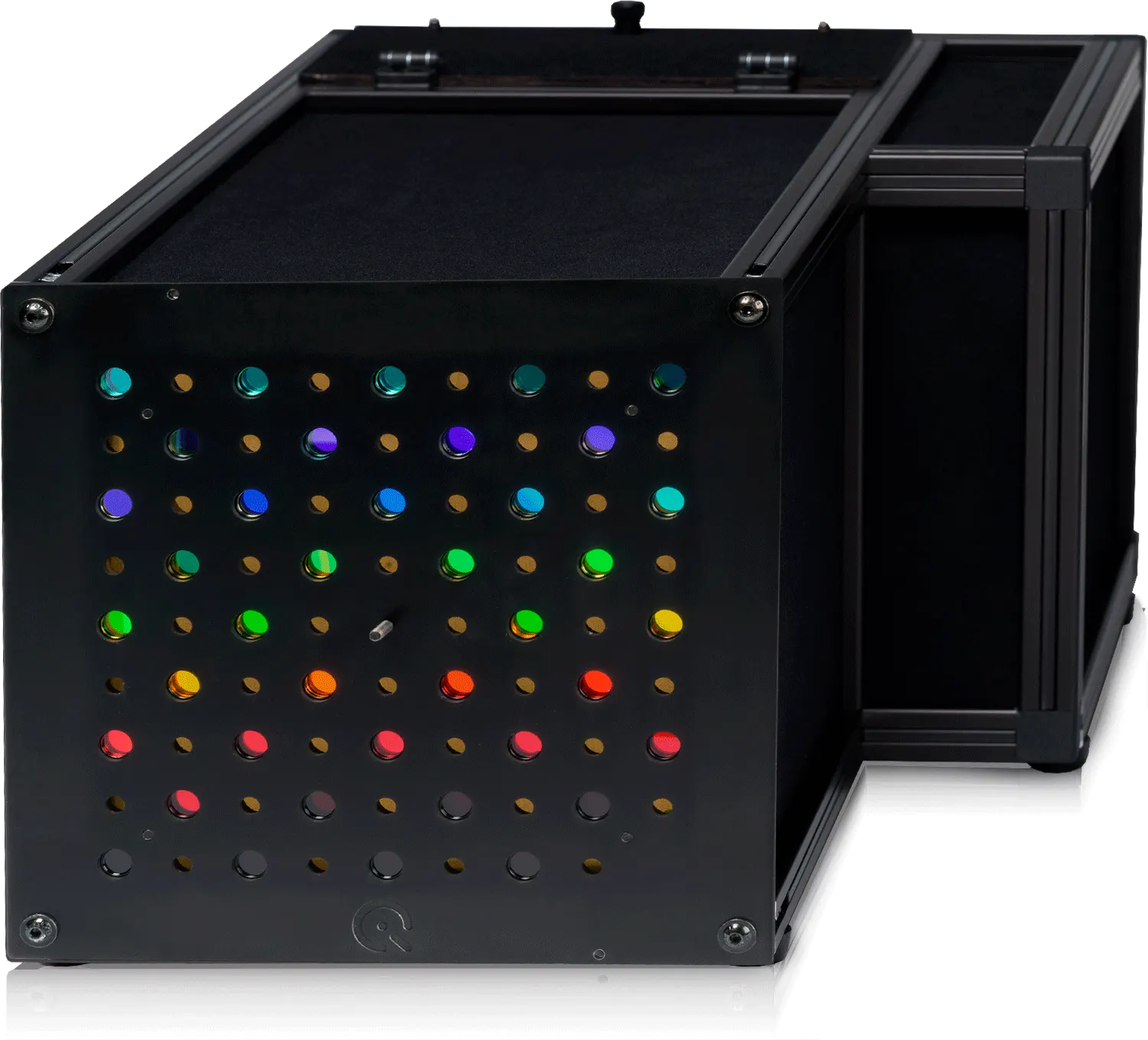
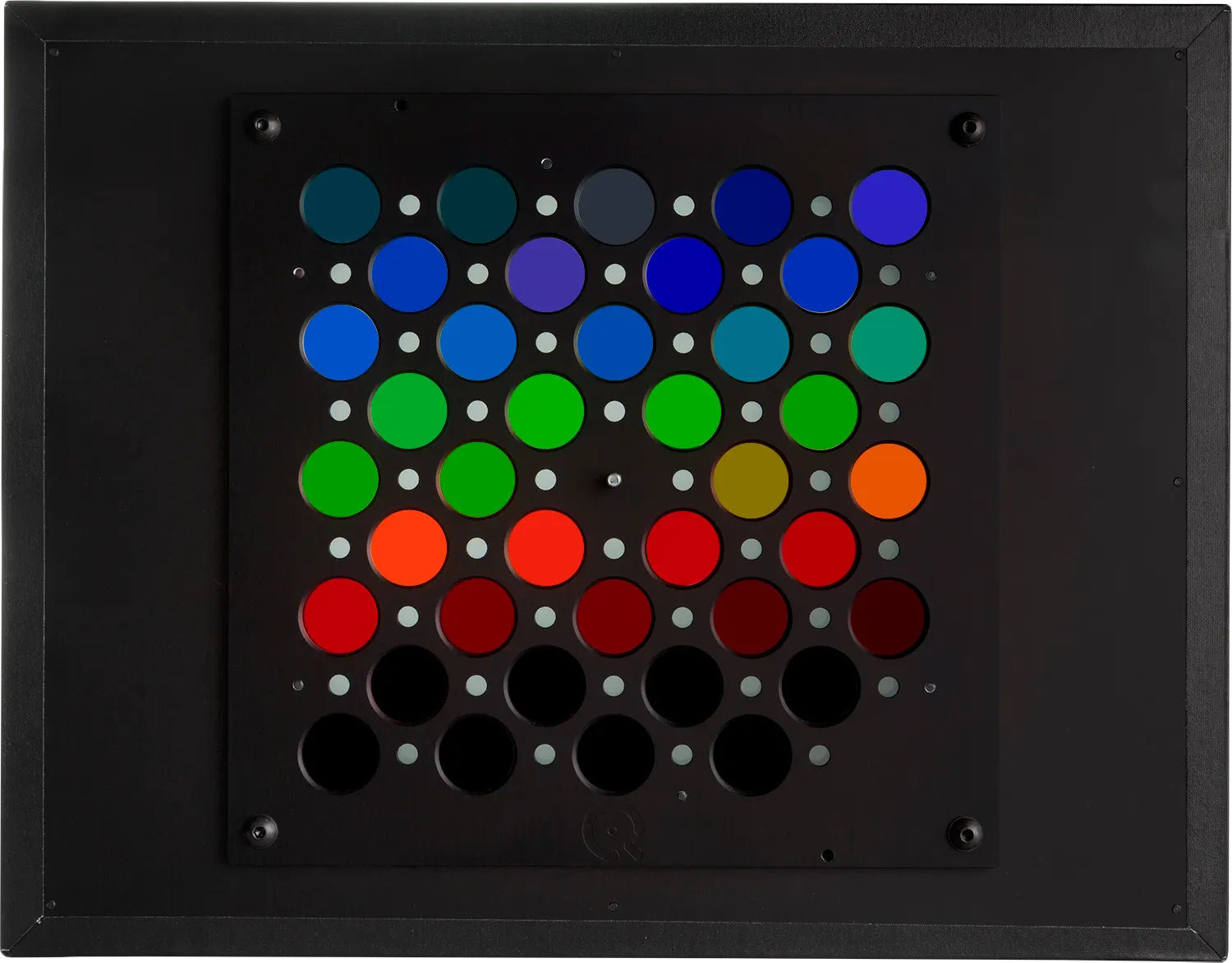


Need help testing image quality of cameras in automotive applications?
Find the right products and services for testing an automotive camera system.