Robotics

Factory Automation

Measuring Vision Performance
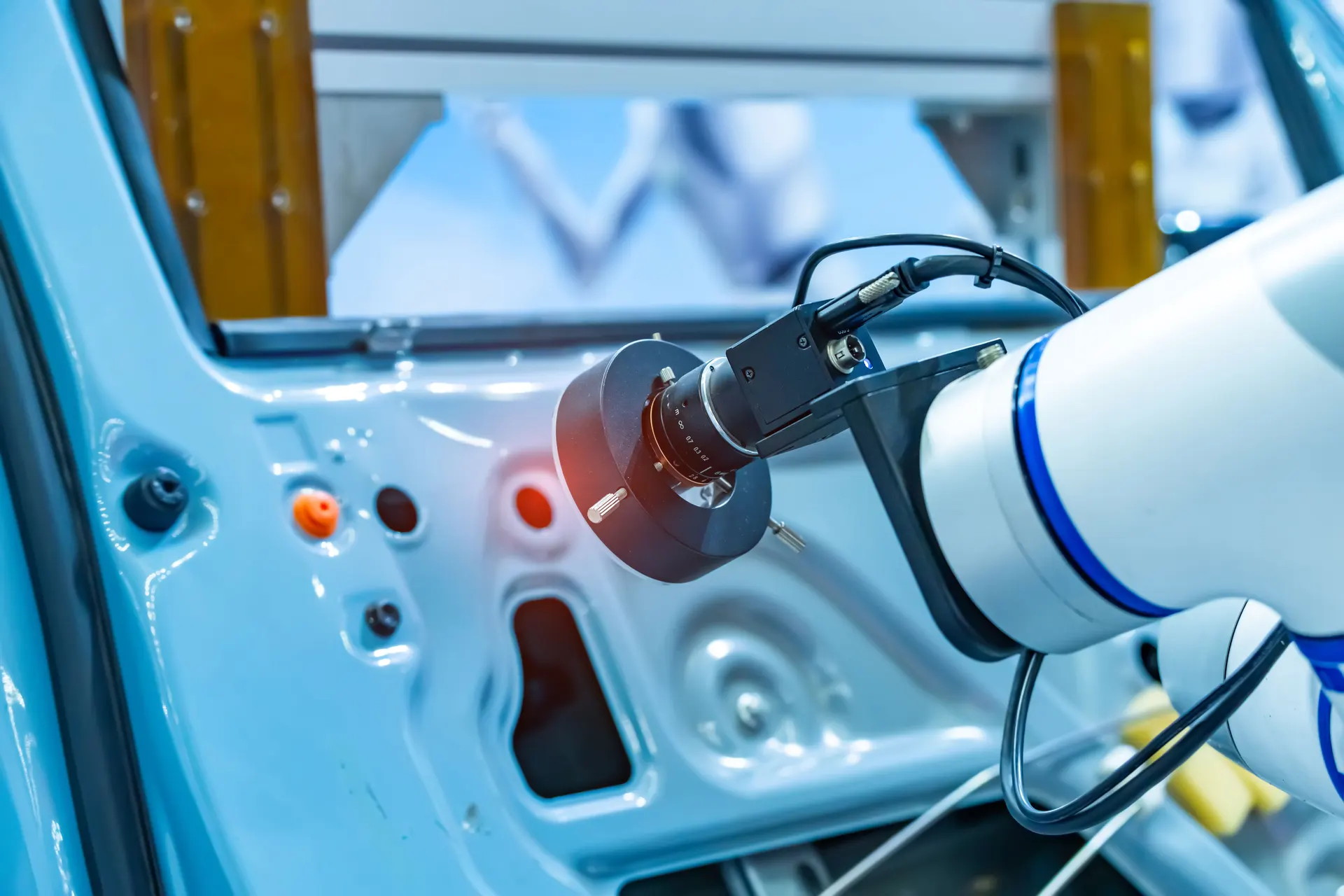
In modern factory automation, robots depend on what they see. Every movement, welding, assembling, picking, placing, or inspecting, starts with an image.

But how good is that image?
Our expertise lies in measuring and quantifying image quality with objective, reproducible methods. We don’t tune cameras, we provide the data and insight that tell robotics engineers how well their vision systems perform.

As production moves toward Industry 4.0, imaging becomes more complex: variable lighting, reflective surfaces, high‑speed motion, and tight tolerances. Reliable vision requires objective validation, not assumptions.
That’s where our equipment, test procedures, and evaluation software come in, delivering clear, comparable metrics that show whether a system meets internal standards, industry norms, or competitive benchmarks.

In short: robots can only be as accurate as the images they receive, and we measure that accuracy.

Industry Needs Across Key Factory Automation Segments
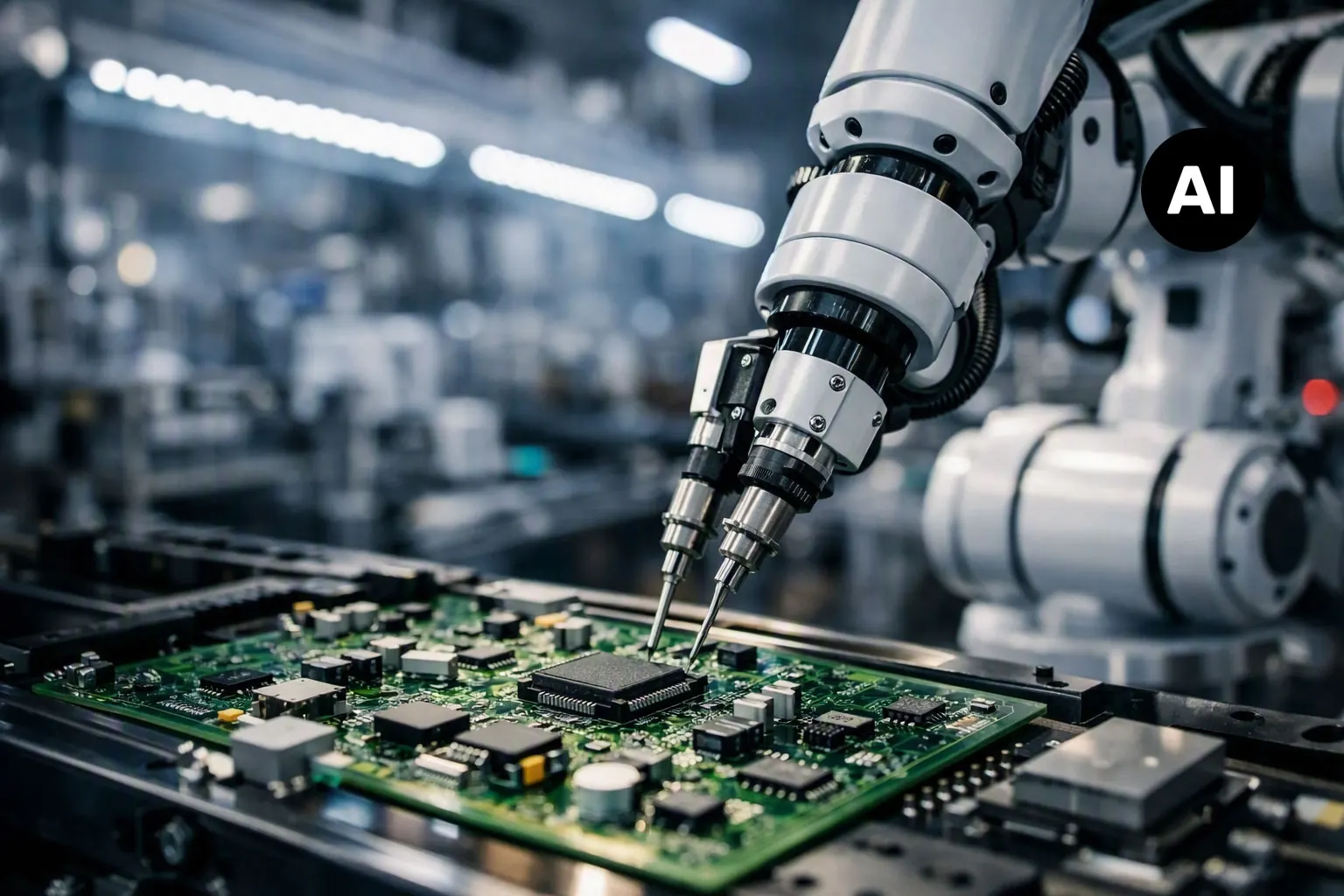
Automotive Manufacturing

Automotive Manufacturing

Robotic vision in automotive production must perform reliably under extreme lighting, fast motion, and tight tolerances.

Image Quality Factors:

HDR stability - consistent imaging under welding arcs, shadows, and high‑contrast scenes

Geometric precision - accurate positioning for assembly and alignment tasks

Color accuracy & repeatability - reliable detection of parts, surfaces, and inspection features

Electronics & Semiconductor

Electronics & Semiconductor

Micro‑precision robotics depend on imaging systems that remain stable under LED lighting and capture extremely fine details.

Image Quality Factors:

Flicker robustness - stable imaging under LED and high‑frequency lighting

High resolution & fine detail - accurate detection of tiny components and PCB structures

Timing & geometric stability - precise alignment for micro‑assembly and inspection

Metal Fabrication

Metal Fabrication

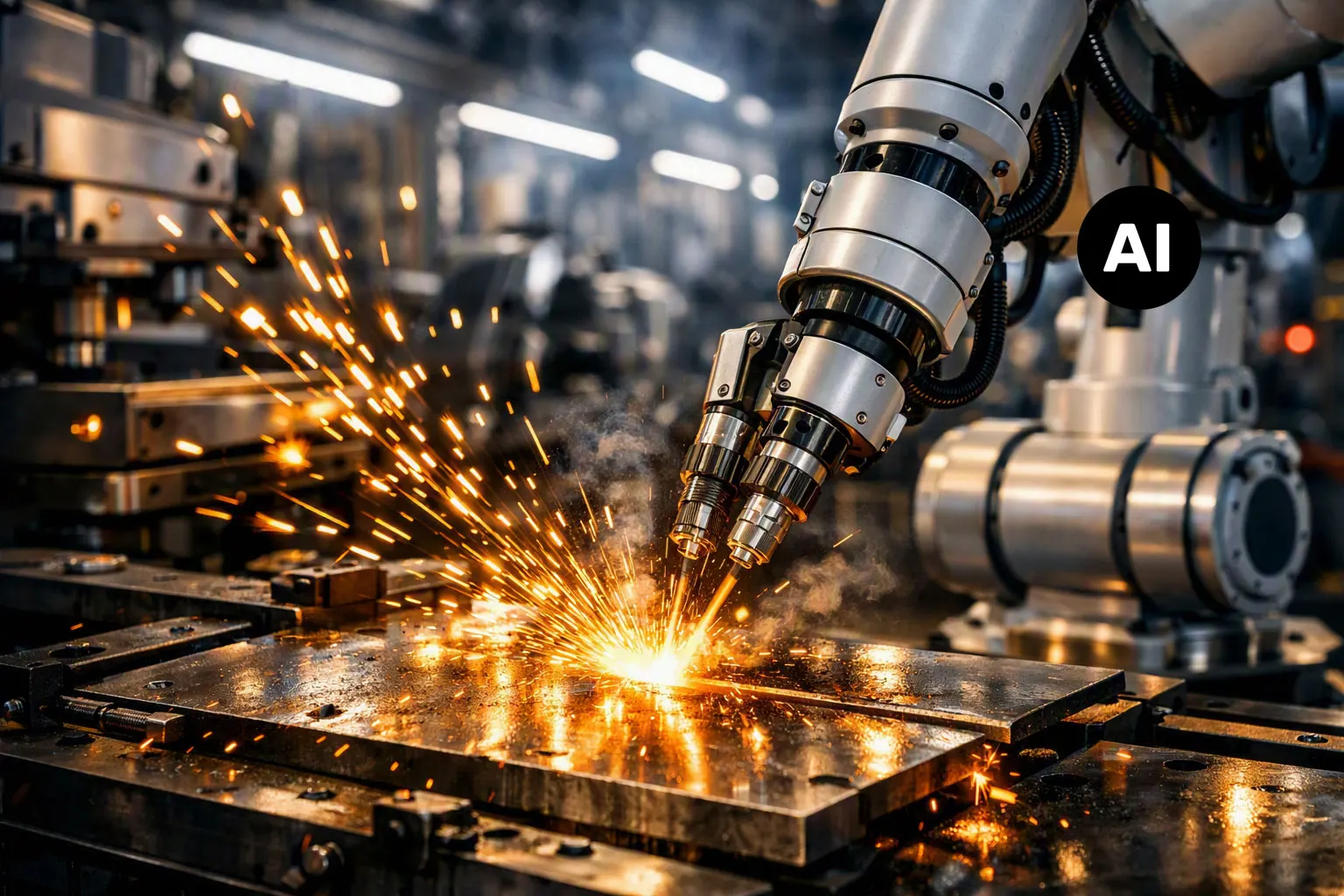
Metalworking environments create reflections, glare, sparks, and vibration, demanding robust imaging for safe and accurate robotic operation.

Image Quality Factors:

HDR performance - clear imaging despite reflections, glare, and bright sparks

Motion stability - reliable capture during cutting, bending, and machining

Geometric calibration - precise tool guidance for accuracy and safety

Main Applications

Take a look at the key applications and factors that determine the performance of factory automation cameras in terms of image quality.

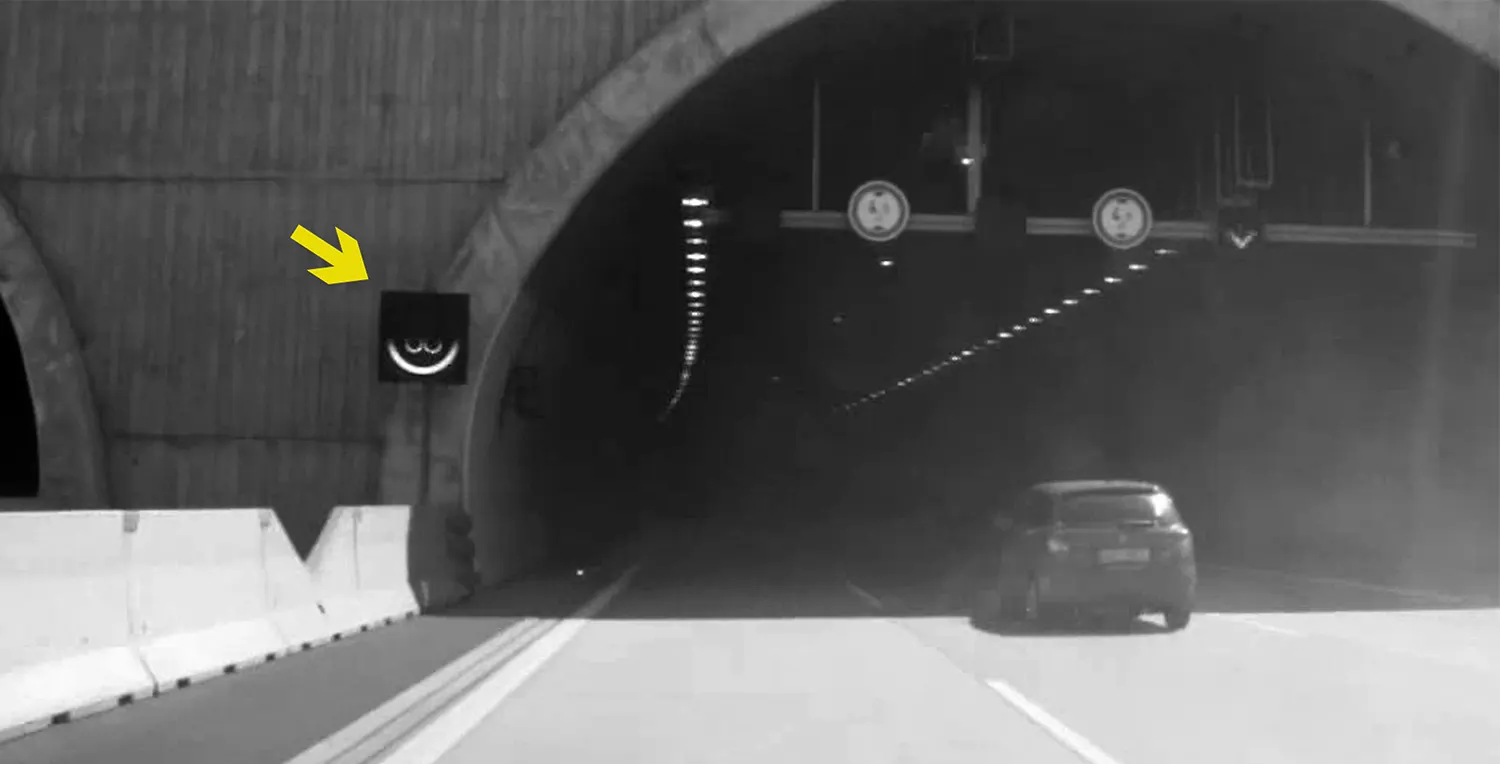
HDR example image

Dynamic Range

A dynamic‑range measurement determines the ratio between sensor saturation and the lowest usable signal level where the signal‑to‑noise ratio still meets the defined threshold.
Flicker (MMP)

Flicker (MMP)

Flicker is an image quality issue caused by fluctuations in light intensity over time, resulting in visible brightness variations or banding in an image or video.
distortion

Geometric Calibration

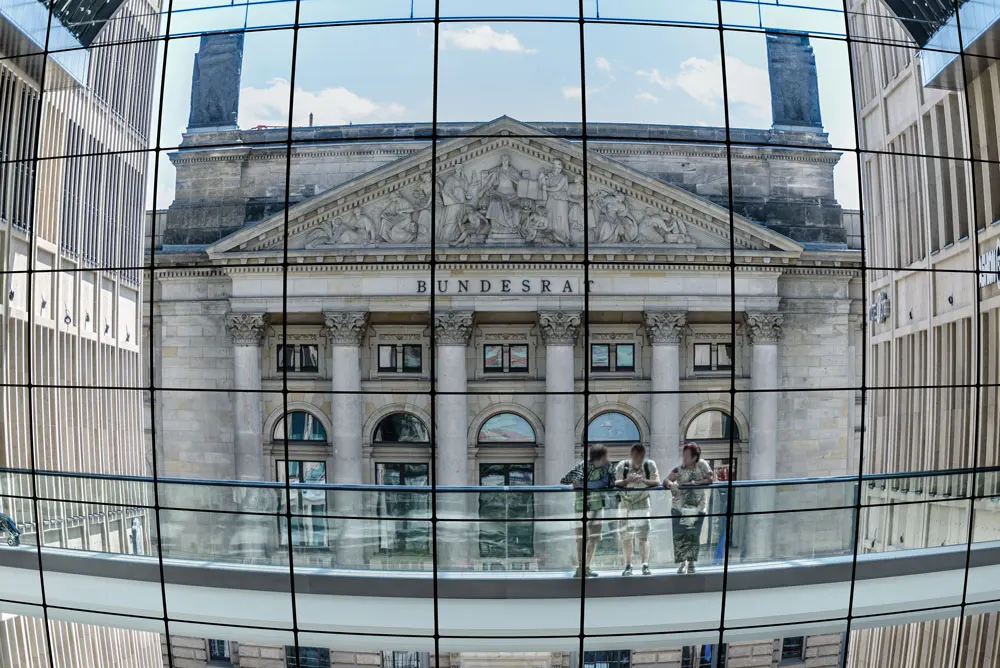
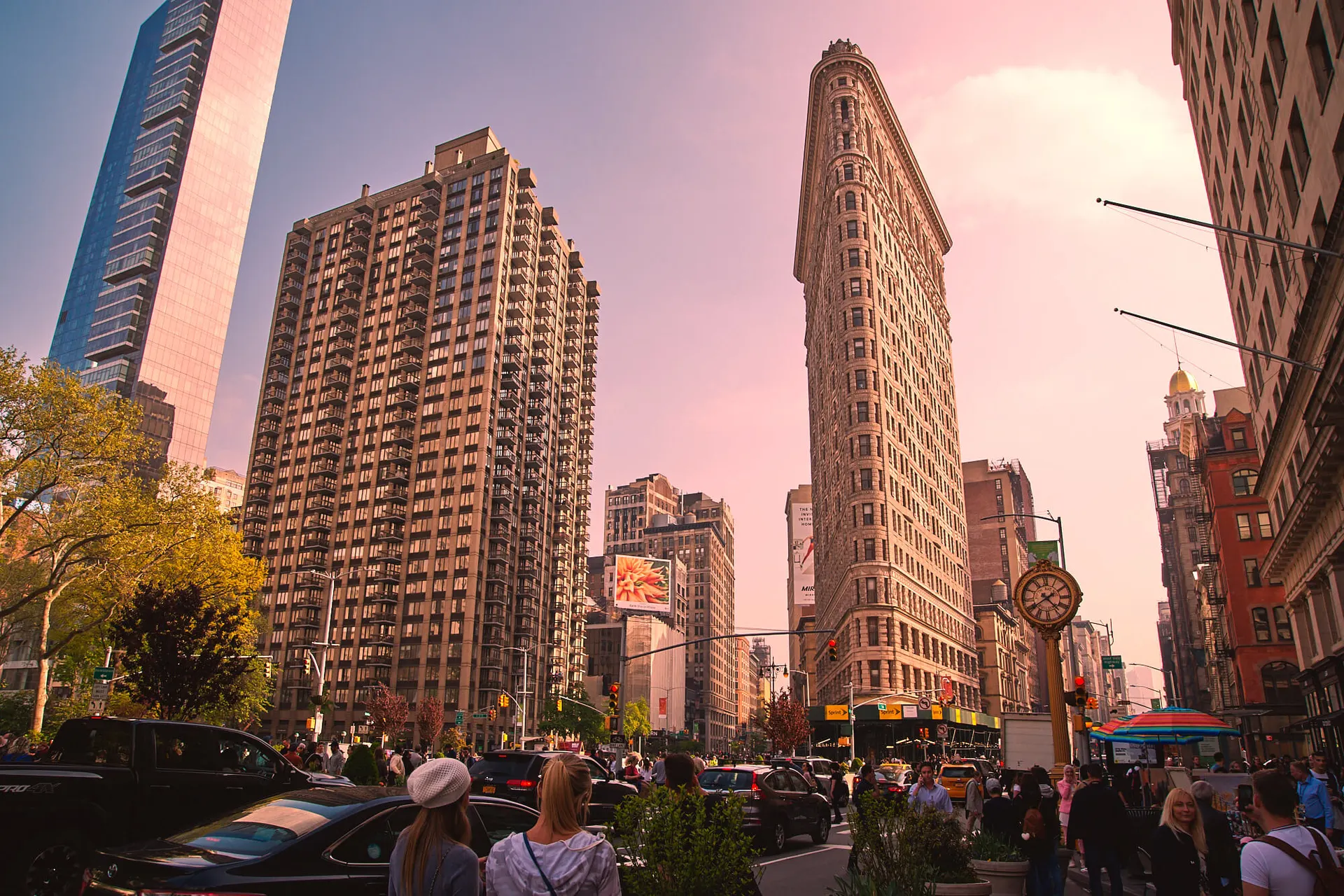
Distortion reduces geometric accuracy by causing straight structural or component edges to appear curved or warped, directly affecting robotic alignment, positioning, and reliable part handling.

color accuracy example image

Color Calibration

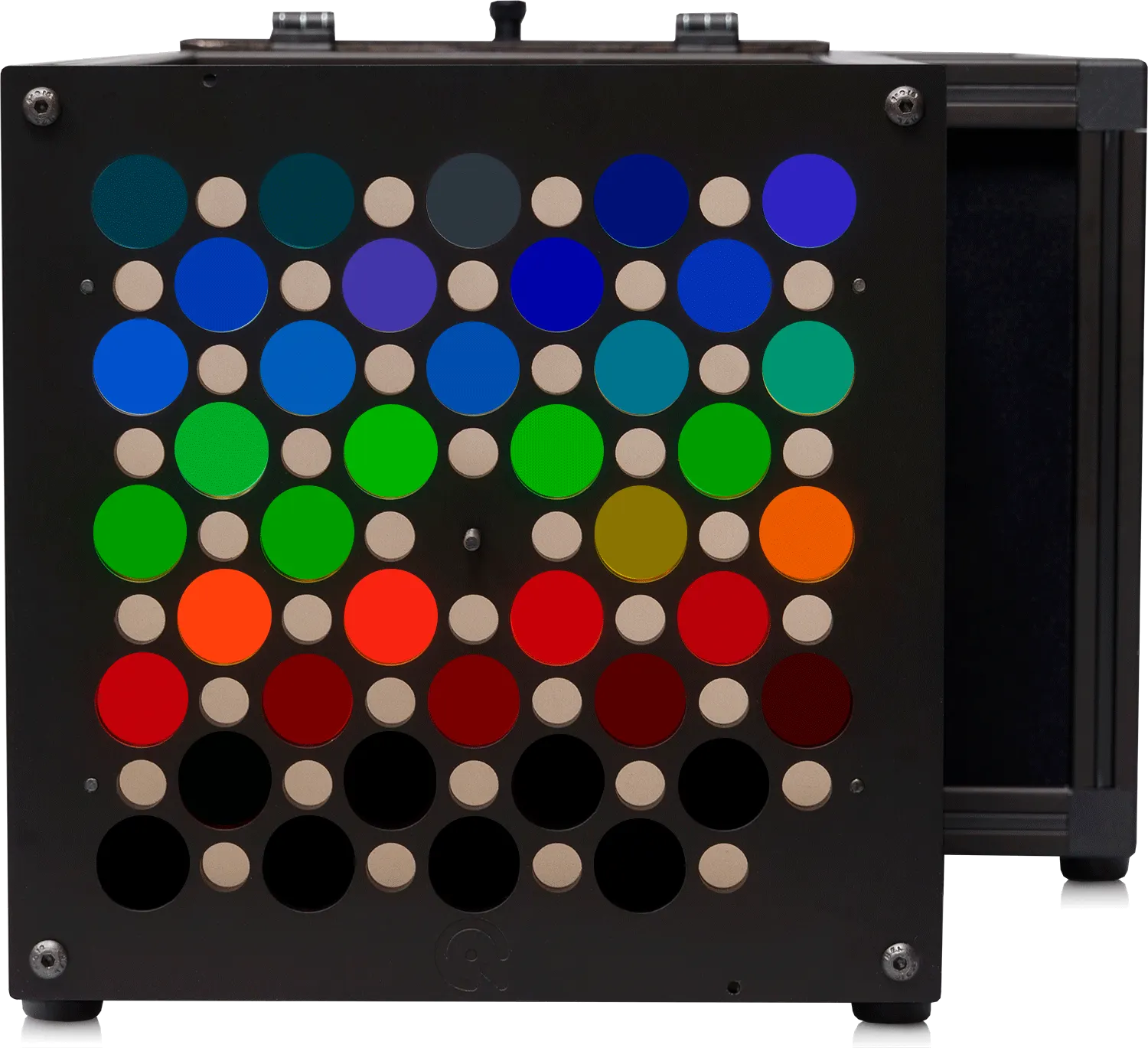
Color accuracy is essential for camera systems to depict the captured scene accurately. Camera color calibration ensures the camera meets industry color requirements.

Key Products & Solutions

We offer a wide range of test solutions for all of the most crucial Robotic Imaging applications and performance metrics.
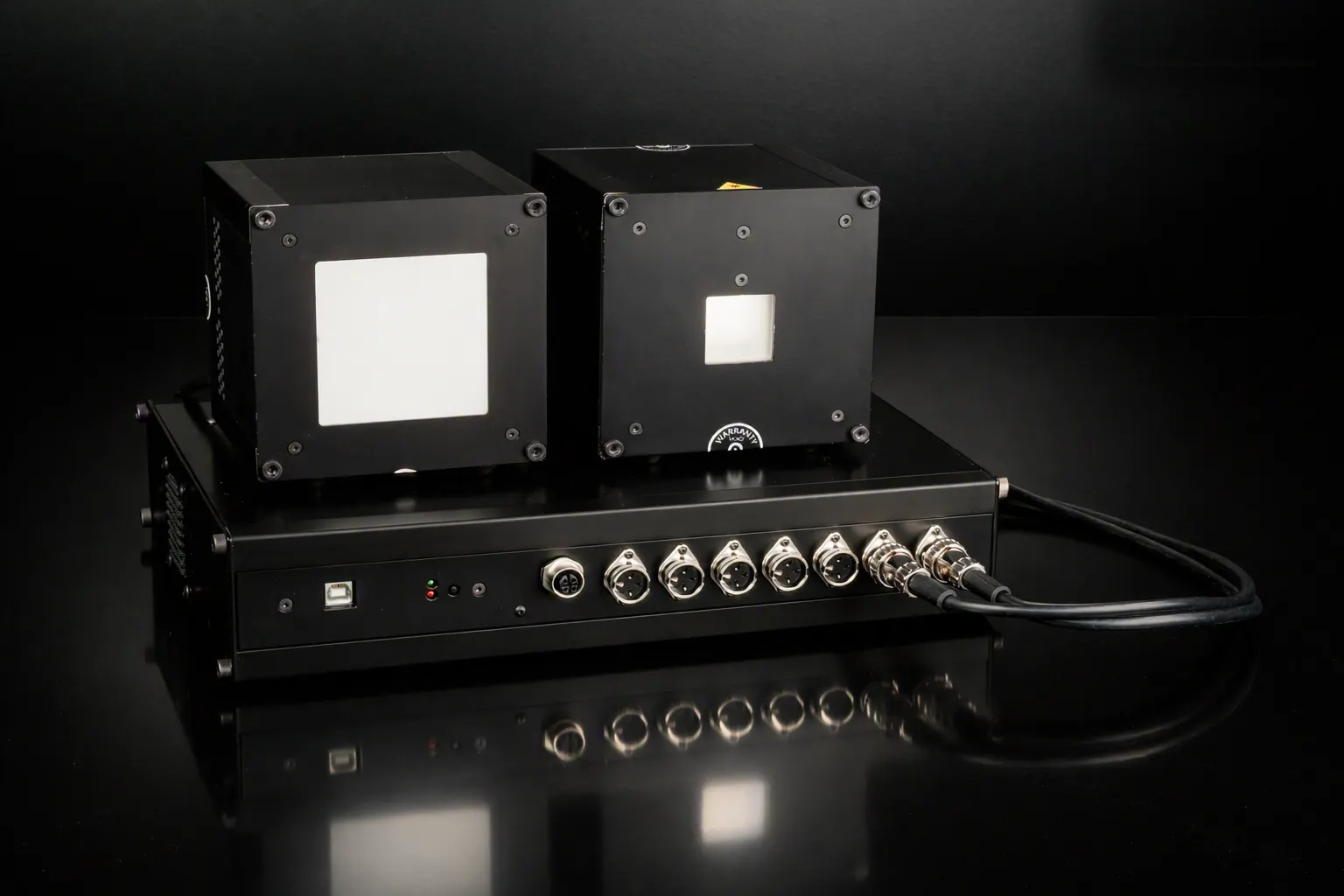
Arcturus & Vega

Arcturus & Vega

High-intensity light sources with unmatched stability and consistency.tdf

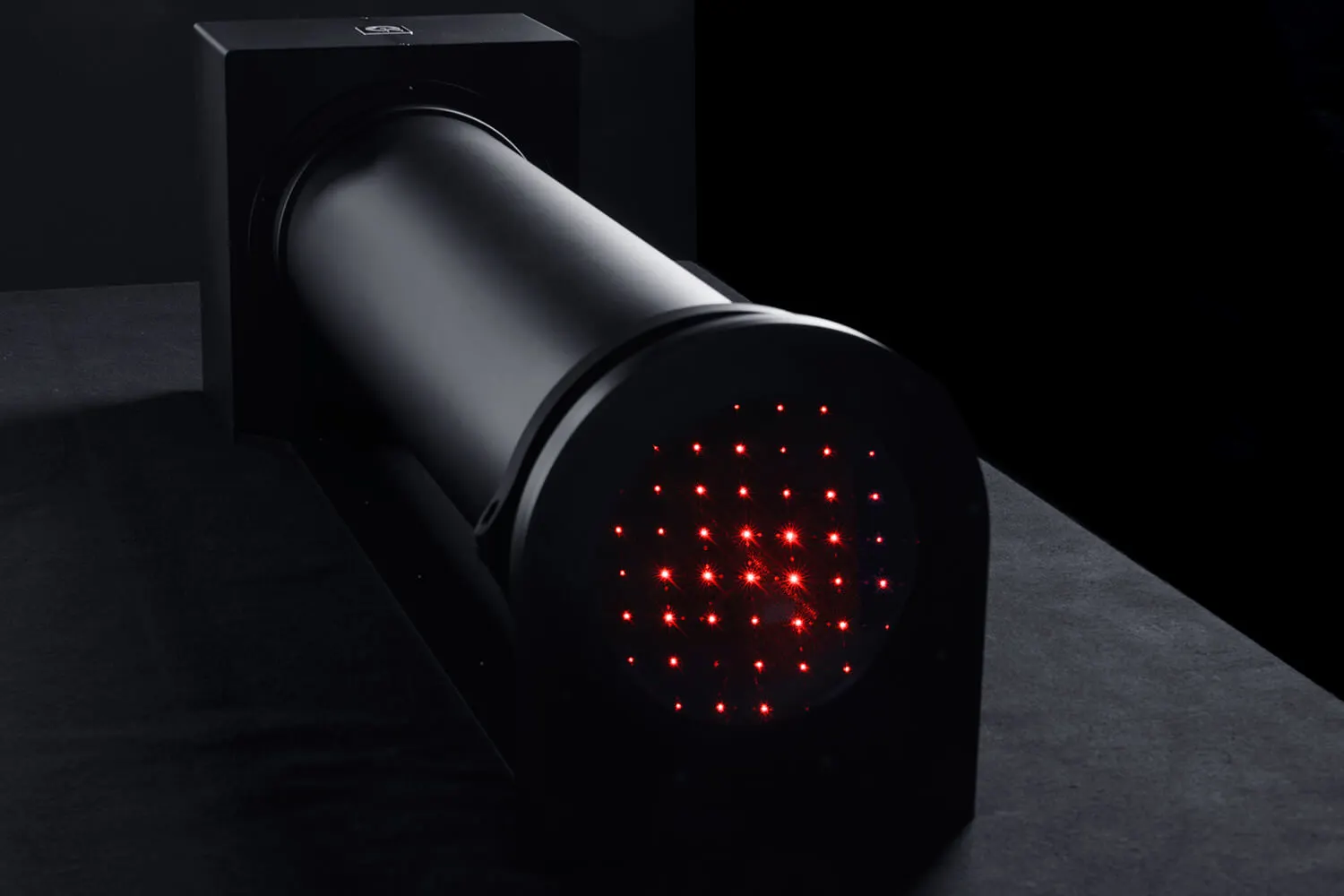
A black tube projects a grid of red dots for automotive camera image quality testing

GEOCAL

Geometric calibrations using a compact device that generates a grid of light spots originating from infinity.
camSPECS XL front plate

camSPECS

Fast camera spectral sensitivity measurement
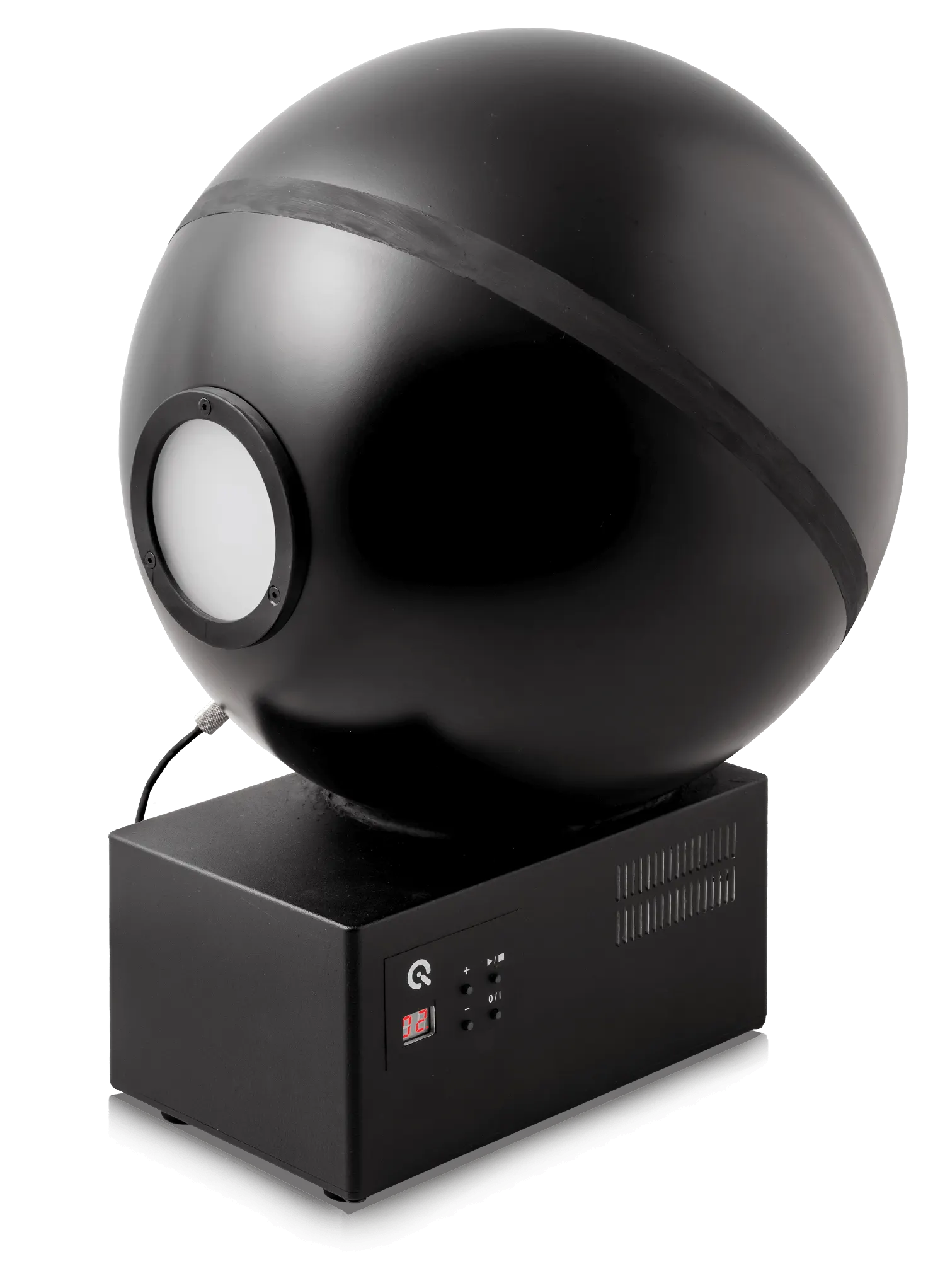
CAL1 integrating sphere

iQ-Analyzer-X

iQ-LED light source is for more efficient camera characterization and calibration.

Testing Image Quality Factors

A dark, high-contrast shot of medical image quality testing equipment, including a test chart, with a hand adjusting a part

Let us test your cameras!

In robotics‑driven factory automation, image quality is the foundation of reliable machine performance. Each factor represents a measurable metric that engineers use to evaluate how well a vision system supports robotic accuracy, stability, and safety. Our iQ‑Lab applies these image‑quality factors to test and validate camera and sensor performance under realistic industrial conditions.

Most factors are defined by international standards that specify test methods, laboratory setups, and evaluation criteria for assessing a camera’s behavior. Whenever applicable, our testing follows these standards to ensure repeatable, comparable, and trustworthy results.

Because every robotic vision system is different, not all factors are relevant for every application. When you request a camera test or calibration through the iQ‑Lab, you can provide your system requirements, and we will recommend the most meaningful combination of factors for your specific robotics use case.

Ready to Transform Your Vision?

Need help with

image quality testing?

Phone (DE): +49 2273 99 99 1-0
Phone (USA): +1 408 386 1496
Phone (China): +86 158 8961 9096
Office Hours: Mon–Fri, 9–5 PM (CET)