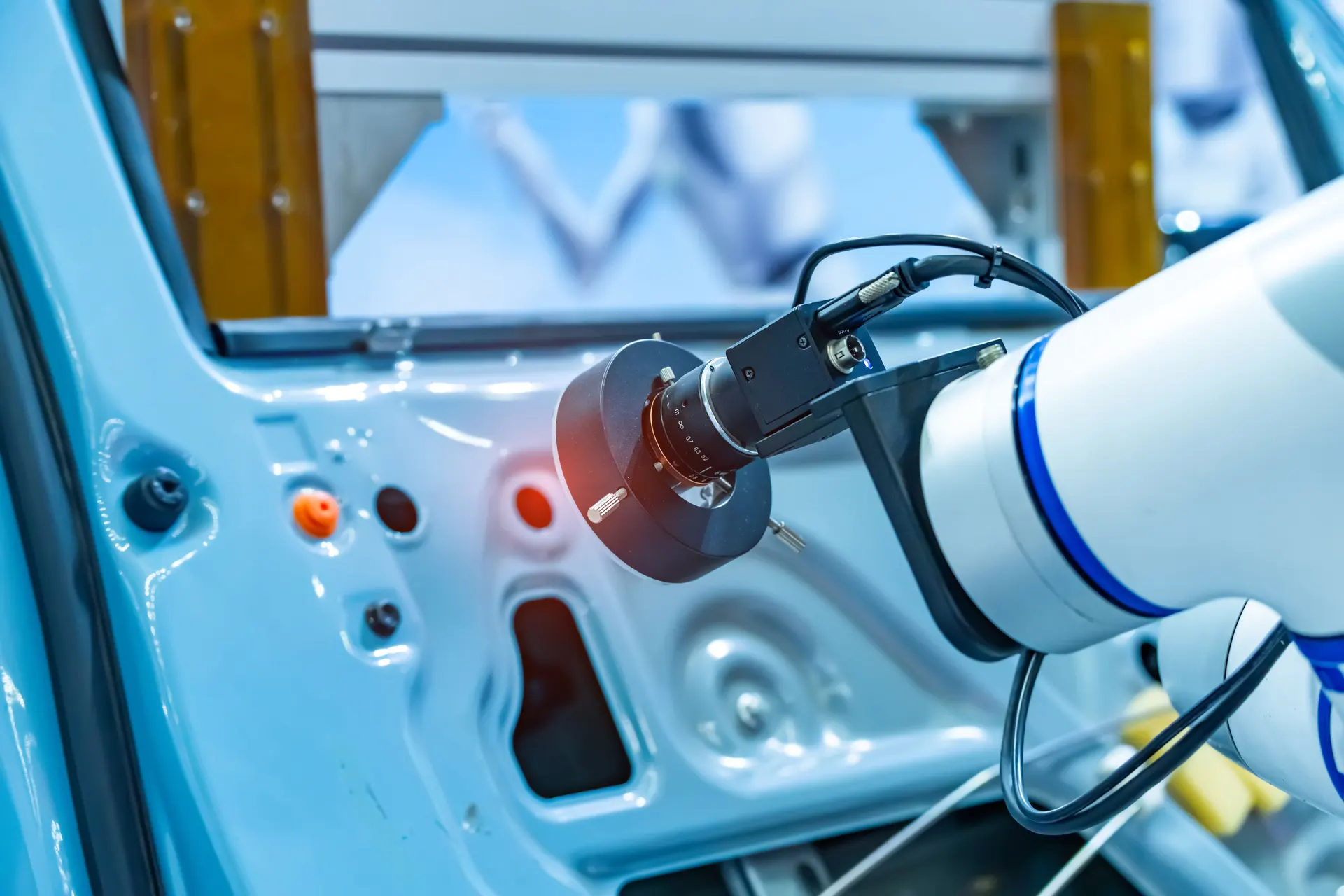
Across all robotics sectors, image quality is a fundamental enabler of reliable perception, autonomous decision-making, and safe operation. Whether in factory automation, medical robotics, autonomous logistics, or humanoid systems, camera performance directly influences how accurately robots detect objects, navigate environments, interact with humans, and execute critical tasks.
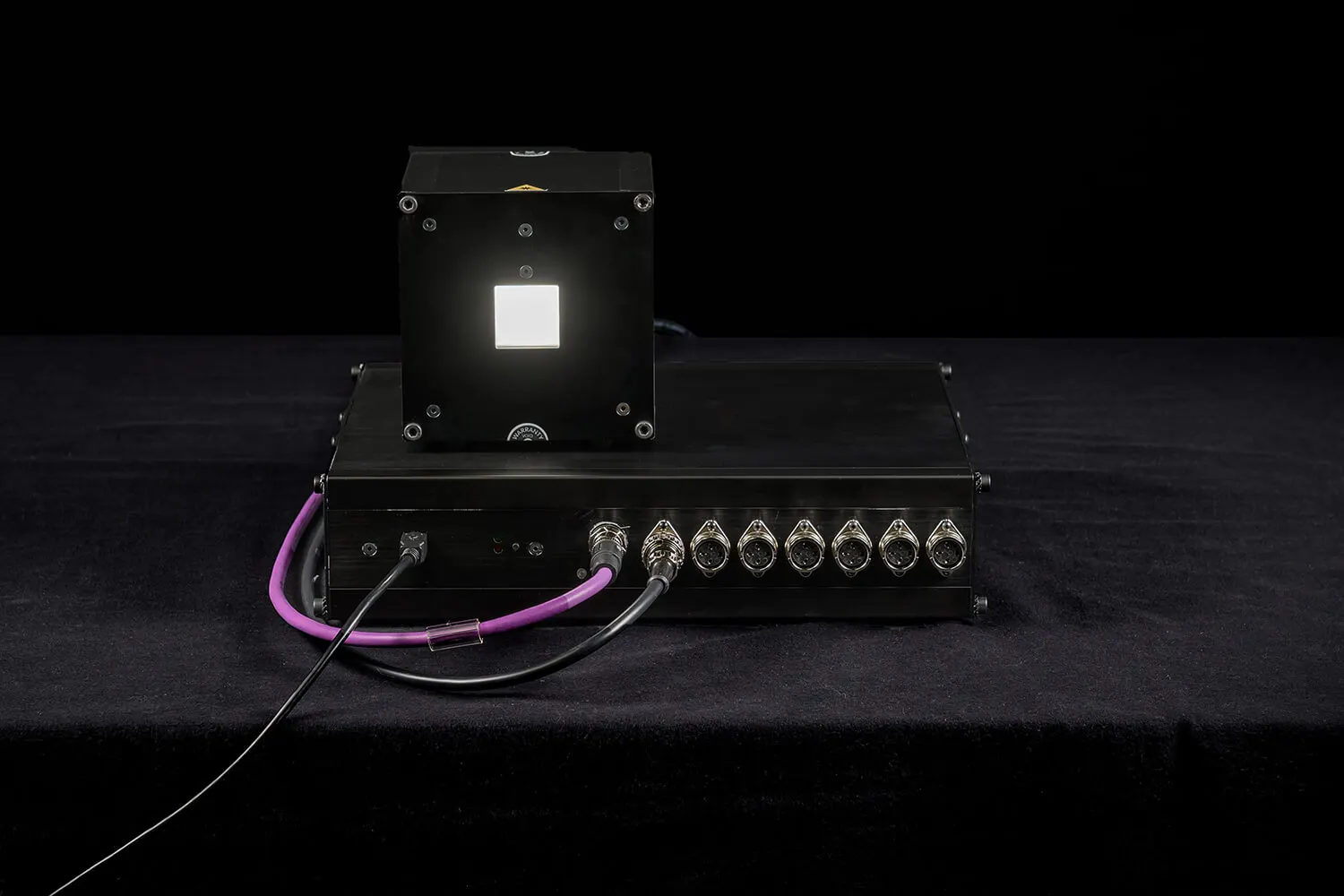
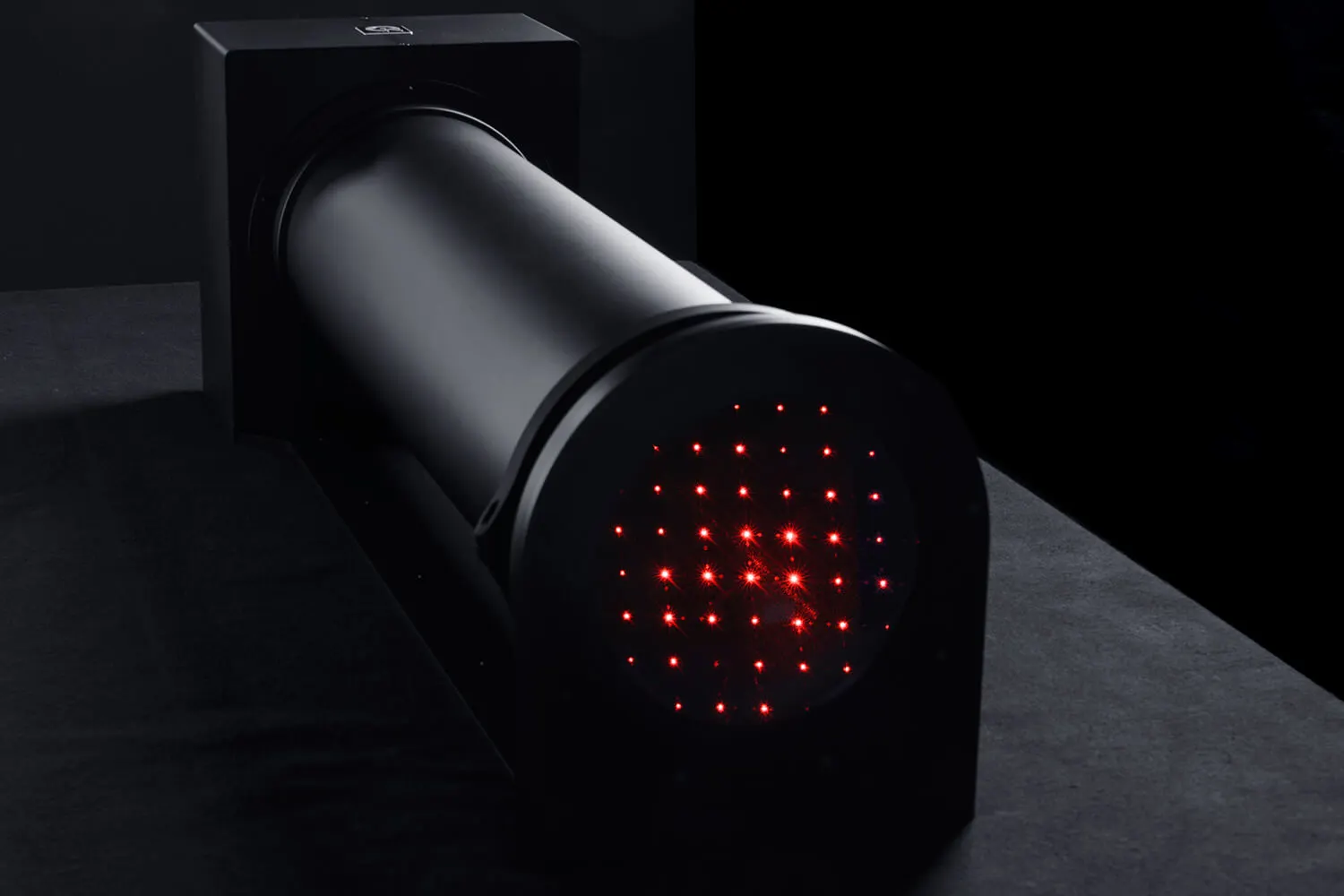
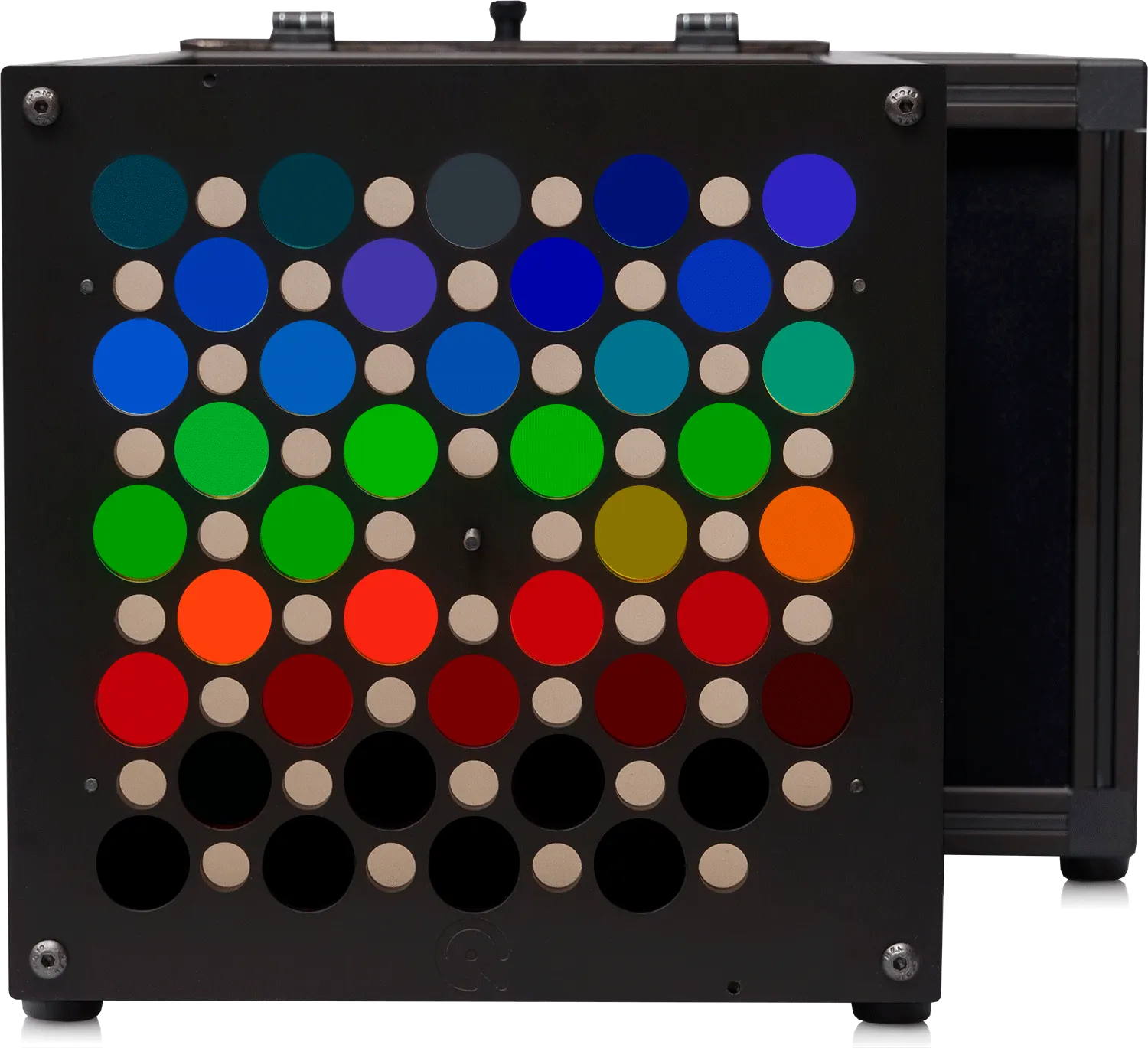
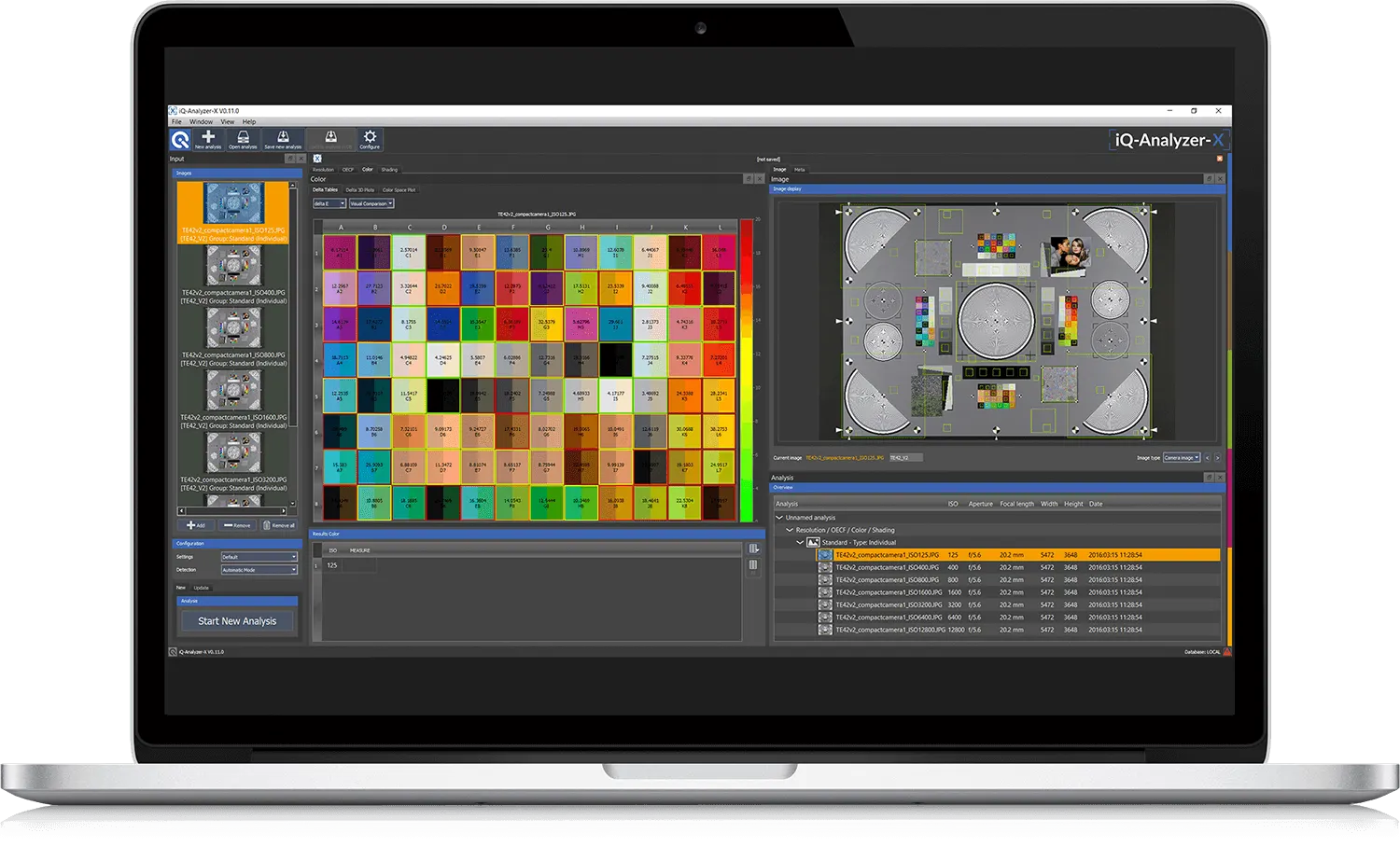
Each image quality factor represents a measurable characteristic used to evaluate how effectively a vision system supports robotic performance. At the iQ-Lab, we apply these objective metrics to assess and validate camera and sensor systems under realistic operating conditions, helping manufacturers optimize safety, reliability, and overall system performance.
Most image quality factors are defined by internationally recognized standards that specify test procedures, measurement environments, and evaluation methods. Whenever applicable, our testing follows these standards to ensure results are repeatable, comparable, and scientifically reliable.
Because robotics applications vary significantly in their requirements, not every image quality factor is equally important for every system. A camera designed for surgical robotics, for example, faces different challenges than one used in autonomous mobile robots or industrial automation. When requesting testing or calibration services through the iQ-Lab, you can provide your specific application requirements, and our experts will recommend the most relevant combination of image quality measurements for your robotics use case.